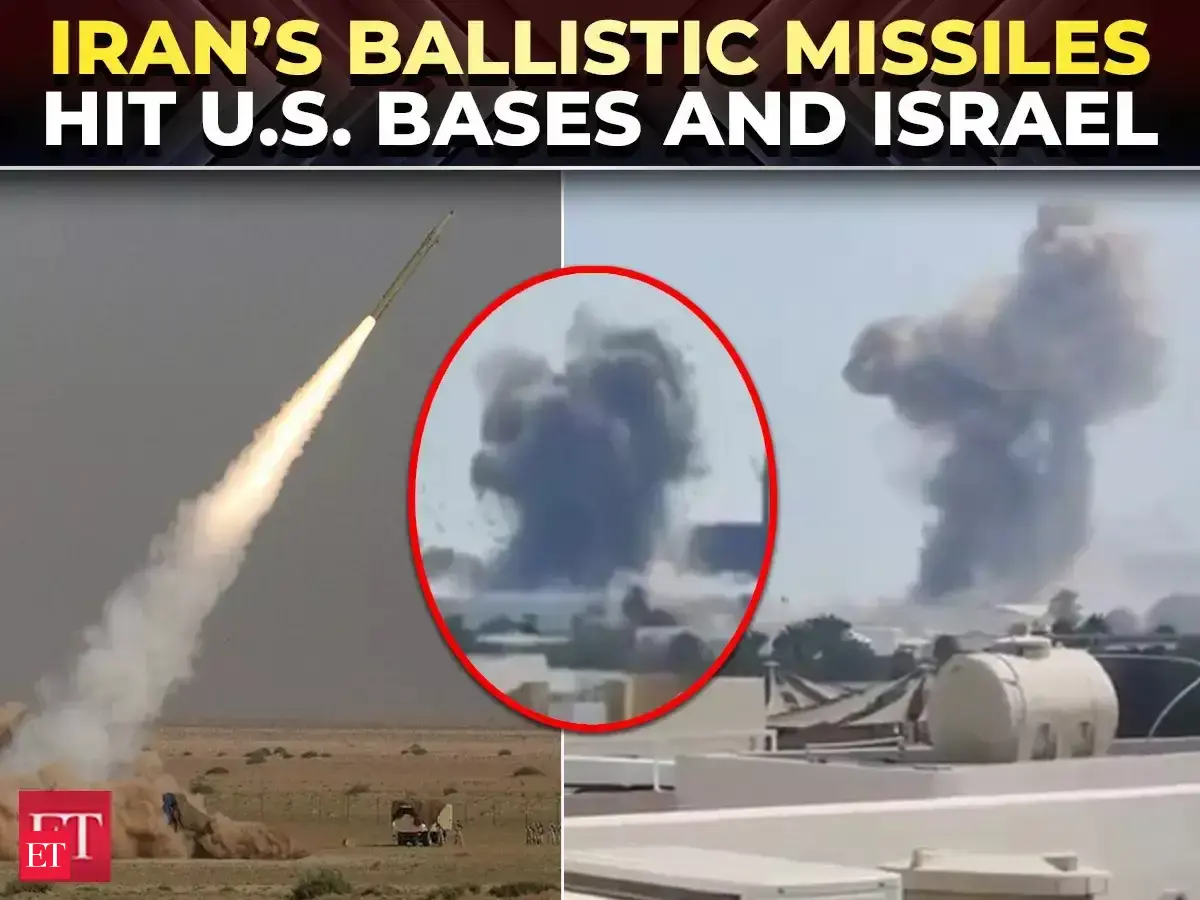
Iran has escalated regional tensions by launching a series of missile strikes targeting infrastructure in Bahrain and Kuwait, marking a significant challenge to ongoing efforts to maintain a fragile cease-fire in the Middle East. The military action, which reportedly caused multiple injuries and impacted the international airport in Kuwait, has drawn immediate international condemnation and prompted renewed calls for diplomatic intervention to prevent a wider conflict.
As the regional situation remains volatile, global markets are closely monitoring the impact on energy security and maritime trade routes. The strikes represent a departure from recent de-escalation attempts, forcing a recalibration of security policies across the Gulf Cooperation Council (GCC) states and their international allies.
Regional Security and the Impact of Recent Strikes
The recent missile attacks have caused widespread concern regarding the stability of critical infrastructure in the Gulf. In Kuwait, reports indicate that the airport was among the targets struck, leading to significant disruption and a number of casualties. According to regional reports, the strikes have left dozens of people injured, necessitating emergency responses across the affected areas. The precision and reach of these attacks have raised questions about the current capabilities of Iran’s military industrial base, which intelligence assessments suggest has been expanding rapidly, particularly in the production of unmanned aerial vehicles.
The aggression against Bahrain and Kuwait has been met with firm rejection from several Arab nations. These countries have issued formal statements condemning the actions as a violation of sovereignty and a threat to regional peace. The diplomatic fallout is compounded by the existing complexity of U.S.-Iran relations, where negotiations regarding economic sanctions and nuclear policy remain at a critical impasse.
Economic Pressures and Diplomatic Stagnation
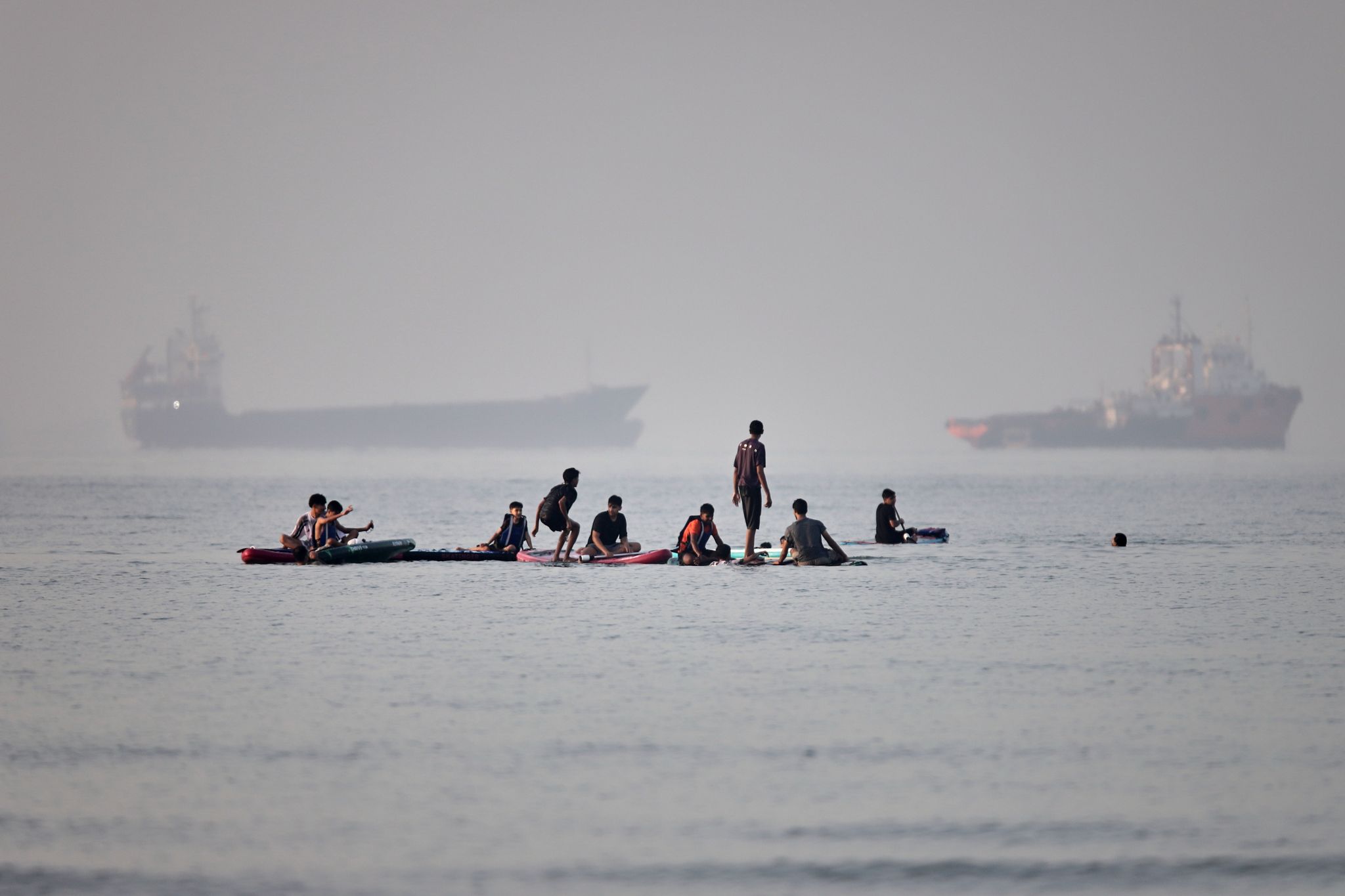
From an economic perspective, the timing of these hostilities is particularly sensitive. The United States has been actively seeking to intensify economic pressure on Iran, aiming to curb its military funding and regional influence. Financial analysts note that the current deadlock, reportedly involving billions of dollars in disputed funds, continues to hinder any meaningful progress in bilateral talks. The instability in the region is also contributing to broader economic anxieties, with concerns over potential disruptions to energy supplies and the security of undersea internet infrastructure in the Strait of Hormuz, where Iranian officials have threatened to impose new transit fees.
For global investors and policy makers, the situation is increasingly defined by the divergence between major powers on how to manage the Iranian state. While some leaders have expressed a willingness to engage in high-level diplomacy, others remain skeptical, citing the country’s continued military posturing as a primary obstacle to formal negotiations. The volatility in the region is frequently reflected in fluctuating commodity prices, as markets react to the risk of supply chain interruptions.
What Happens Next
The international community is currently awaiting further guidance from diplomatic channels, with many nations urging a return to the negotiating table. The next confirmed checkpoint for these developments will depend on the outcomes of emergency sessions within the United Nations Security Council and the planned ministerial meetings of the GCC, where member states are expected to coordinate their security responses.
As the situation unfolds, observers are looking for signals regarding whether the current military activity will lead to a sustained period of conflict or if back-channel diplomacy can restore the cease-fire. We will continue to track these developments and provide updates as verified information becomes available from official diplomatic and military sources.
We invite our readers to share their analysis of these events in the comments section below. How do you assess the long-term impact of these regional tensions on the global economy?
Worth a look