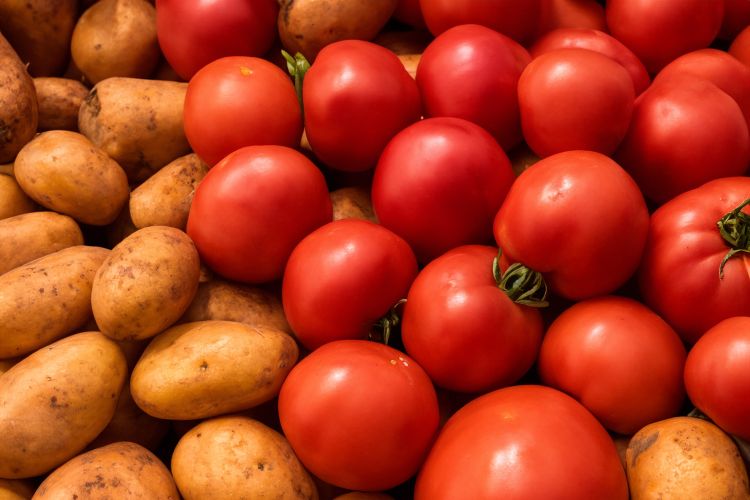
European agricultural regulators are currently finalizing critical policy decisions that will dictate the future of tomato and potato production across the continent. These deliberations, centered on plant health standards and the management of soil-borne pathogens, represent a significant pivot in how farmers approach crop security and long-term land viability. The outcome of these discussions is expected to influence not only domestic supply chains but also the broader regulatory framework governing intensive vegetable cultivation in the European Union.
For growers and industry stakeholders, the uncertainty surrounding these regulations has created a period of intense scrutiny. The primary concern involves the implementation of updated phytosanitary measures designed to prevent the spread of invasive pests and diseases that have historically threatened the yields of staple crops like tomatoes and potatoes. According to the European Commission’s Directorate-General for Health and Food Safety, these legislative updates are part of a wider effort to harmonize plant health requirements across member states to ensure that agricultural products meet rigorous safety standards before entering the market.
The Shift in Phytosanitary Standards
The regulatory landscape is shifting toward more stringent monitoring of seed and soil movement. The core of the current debate involves whether current inspection protocols are sufficient to mitigate the risk of cross-border transmission of plant diseases. As outlined in the EU Plant Health Regulation (2016/2031), the focus has moved from reactive containment to proactive surveillance, requiring producers to adopt more robust documentation and traceability practices. This transition is particularly burdensome for smaller, family-run farms that must now comply with complex reporting requirements to maintain their status as certified suppliers.

Industry experts suggest that the economic impact of these changes could be substantial. The cost of compliance, including mandatory testing for specific pathogens and the potential for crop destruction in the event of an outbreak, remains a primary concern for agricultural cooperatives. While the goal is to protect the long-term sustainability of European soil, the immediate financial strain on producers could lead to a consolidation of the market, as only larger operations may possess the capital required to navigate these evolving regulatory hurdles.
What This Means for the Global Supply Chain
The implications of these policy shifts extend well beyond the farm gate. Because tomatoes and potatoes are foundational elements of the European diet and major export commodities, any disruption in production capacity could lead to price volatility in the retail sector. The Eurostat data on agricultural output indicates that fluctuations in the yield of these specific crops often mirror broader trends in input costs, such as fertilizers and energy. If the new regulations effectively reduce the prevalence of disease, they may stabilize yields in the long term, though the transition period is likely to be marked by higher operational costs.
Furthermore, the reliance on imported seed stock from regions outside the European Union adds another layer of complexity. Regulators are currently assessing whether to impose stricter import controls, which could limit the variety of cultivars available to farmers. This move is intended to prevent the introduction of foreign pests, but it risks limiting the genetic diversity of crops that are essential for adapting to a changing climate. The balance between biosecurity and trade accessibility remains the most contentious aspect of the ongoing policy review.
Next Steps for Farmers and Producers
Stakeholders awaiting the final ruling should monitor the official updates from their respective national agricultural ministries, which are tasked with translating EU-wide directives into local law. The European Food Safety Authority (EFSA) continues to provide scientific assessments that form the basis for these legal updates. Producers are encouraged to participate in upcoming public consultation periods, as these sessions provide a rare opportunity to influence the practical application of new mandates before they are codified into binding legislation.
The next confirmed checkpoint for this policy development will be the upcoming meeting of the Standing Committee on Plants, Animals, Food and Feed, where final amendments to the current surveillance strategies are scheduled for discussion. As these decisions are finalized, the industry will have a clearer timeline for implementation, likely occurring over the next 18 to 24 months. We invite our readers to share their thoughts on the balance between environmental protection and agricultural productivity in the comments section below.
Worth a look
- Why Electric Car Sales Are Booming: Global Trends, EU Growth, and the Tesla-BYD Effect
- Coin-Gathering Service User Analysis: Over 20% in Their 50s and Older, Bitcoin Emerges as All-Generation Favorite
- Google Pixel Tag Leaked Ahead of August Launch Alongside Pixel 11 (archyworldys.com)
- Pierce O’Leary Starts Defining Month for Irish Boxing Ahead of Legend’s Farewell (archynewsy.com)