
Global financial vulnerabilities remain elevated, driven by high debt levels and persistent geopolitical tensions that threaten to unsettle international markets. According to the International Monetary Fund’s latest Global Financial Stability Report, while the immediate risks to the financial system have moderated, the medium-term outlook remains clouded by high leverage in both public and private sectors, alongside a complex interest rate environment.
The persistence of these vulnerabilities is largely tied to the “higher-for-longer” interest rate regime adopted by major central banks to combat inflation. As noted by the International Monetary Fund, this transition has increased the cost of debt servicing for governments and corporations alike, raising concerns about the potential for sudden market corrections should economic growth trajectories falter.
Rising Sovereign and Corporate Debt Burdens
Global public debt has reached record highs, with the IMF projecting that global public debt could exceed 100% of GDP by the end of this decade. This accumulation, accelerated by fiscal responses to the COVID-19 pandemic and subsequent energy crises, leaves many nations with limited “fiscal space”—the capacity to respond to future economic shocks without triggering a debt crisis.
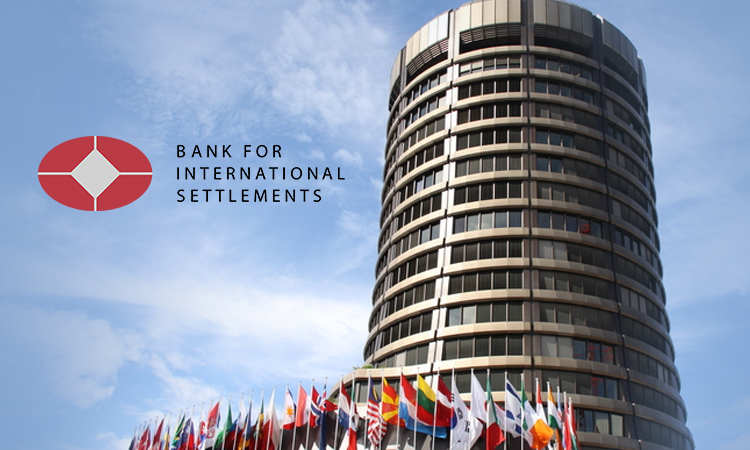
In the corporate sector, “zombie firms”—companies that generate just enough cash to continue operating and pay interest on their debt but not enough to pay off their principal—face heightened bankruptcy risks. The Bank for International Settlements has highlighted that as credit conditions tighten, these firms are increasingly unable to refinance maturing debt, a trend that could lead to a spike in corporate defaults, particularly among small-to-medium enterprises.
Geopolitical Fragmentation and Market Volatility
Beyond fiscal metrics, geopolitical instability acts as a primary catalyst for financial fragility. Conflicts in the Middle East and the ongoing war in Ukraine continue to exert pressure on global supply chains and energy prices. According to analysis from the World Economic Forum, this geopolitical fragmentation increases the risk of “de-anchoring” inflation expectations, forcing central banks to maintain restrictive monetary policies for longer than previously anticipated.
The interconnected nature of modern financial markets means that localized shocks can propagate rapidly across borders. The Financial Stability Board has emphasized that non-bank financial intermediaries (NBFIs), such as hedge funds and private equity firms, now hold a significant portion of global financial assets. Because these institutions are often less regulated than traditional banks, their high-leverage positions represent a “blind spot” that could exacerbate liquidity crunches during periods of market stress.
What Investors Should Monitor
Understanding the current landscape requires looking beyond headline GDP growth. Market participants are advised to focus on several key indicators that signal shifts in systemic stability:
- Sovereign Bond Yields: Rapid increases in yields for advanced economies are often seen as a bellwether for unsustainable debt trajectories.
- Credit Spreads: Widening spreads between corporate bonds and government securities often indicate a loss of confidence in the creditworthiness of private issuers.
- Liquidity Ratios: Monitoring the liquidity profiles of NBFIs is critical, as these entities are increasingly influential in global market pricing.
According to the European Central Bank, financial stability remains highly contingent on the “soft landing” scenario—where inflation returns to target without causing a deep recession. Should this scenario fail, the exposure of banks to commercial real estate, which has suffered from declining valuations due to remote work trends, remains a specific area of concern for regulators.
Future Outlook and Next Steps
The next major checkpoint for global economic policy will occur during the upcoming IMF and World Bank Annual Meetings, where finance ministers and central bank governors are expected to discuss coordinated fiscal consolidation strategies. These meetings provide the framework for future regulatory adjustments aimed at curbing excessive leverage.

For individual investors and policy observers, the Bank for International Settlements publishes quarterly reviews that provide detailed assessments of market conditions. Maintaining a focus on these official disclosures is recommended for those tracking the evolving landscape of global financial vulnerabilities.
What are your thoughts on current market risks? Share your perspective in the comments section below or join the conversation on our social channels.
Related reading