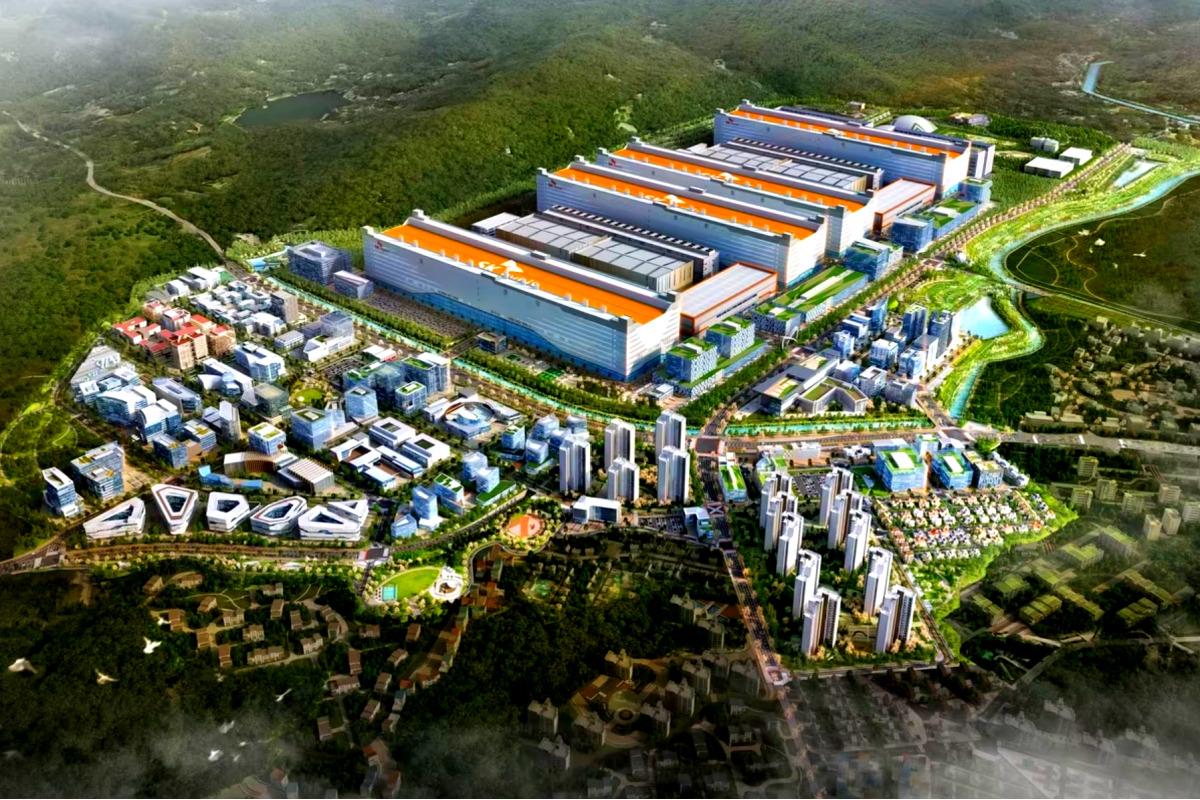
As global technology hubs expand to meet the surging demand for artificial intelligence and high-performance computing, the semiconductor industry faces a critical challenge: balancing massive water consumption with the urgent need for environmental sustainability. In regions like South Korea, the development of the Yongin Semiconductor Cluster has brought the issue of water resource management to the forefront of industrial policy, highlighting a shift toward mandatory water purification and recycling strategies.
For large-scale manufacturing facilities, maintaining a stable supply of ultrapure water is non-negotiable. However, as local water tables face pressure from industrial growth and climate-induced variability, the focus has shifted from mere consumption to the concept of being “water positive.” This approach, adopted by major technology firms globally, aims to replenish more water than is extracted from local basins, effectively turning a resource-intensive operation into one that contributes to the health of the local water cycle.
The Shift Toward Water Positivity in Tech
The concept of “water positive” operations is increasingly becoming a standard for industry leaders. By 2030, companies such as Microsoft have committed to replenishing more water than they consume on a global basis, specifically targeting water-stressed regions where their data centers and operations are located (Microsoft Water Positive Commitment). This strategy involves two primary pillars: reducing the water use intensity—the amount of water required per megawatt of energy consumed—and investing in local projects that restore and replenish water in stressed basins.
The urgency behind these commitments is clear. According to UN Water, more than two billion people currently lack access to safe drinking water, a figure that is expected to rise as climate change continues to intensify global shortages. Projections suggest that by 2050, one in four people could live in a country significantly affected by chronic freshwater shortages, making industrial water stewardship a matter of global survival rather than just corporate social responsibility.
Infrastructure and Resource Management
In the context of the Yongin Semiconductor Cluster, the integration of advanced water treatment and recycling infrastructure is essential to mitigating regional water risks. Semiconductor fabrication plants are among the most water-intensive facilities in the world, requiring vast quantities of high-purity water to clean silicon wafers. To maintain operational viability, developers are increasingly looking toward closed-loop water systems.

These systems work by capturing process wastewater, subjecting it to multi-stage purification, and cycling it back into the manufacturing line. This reduces the total volume of fresh water drawn from municipal supplies, thereby minimizing the impact on local agricultural and residential users. Beyond internal recycling, these clusters often require coordinated investments in regional water treatment plants to ensure that the water discharged back into the environment meets or exceeds the quality standards of the intake source.
Sustainability as a Competitive Advantage
For the semiconductor industry, sustainable water management is increasingly viewed as a long-term competitive advantage. As regulatory bodies around the world tighten standards regarding industrial effluent and resource extraction, companies that have already invested in high-efficiency recycling technology are better positioned to navigate future compliance hurdles.
the environmental impact of these facilities is a key factor in the social license to operate. In regions with high population density, such as South Korea, the ability to demonstrate a neutral or positive impact on local water resources is critical to maintaining community trust and securing long-term operational permits. By prioritizing water circularity, the industry is aligning its growth trajectory with the broader global movement to address sustainability needs while simultaneously protecting the vital resources required for modern technological advancement.
Key Takeaways for Industrial Sustainability
- Water Intensity Reduction: Focusing on lowering the volume of water required per unit of production through improved cooling and cleaning technologies.
- Closed-Loop Systems: Implementing on-site recycling to ensure that treated wastewater is reused within the facility rather than discharged.
- Basin Restoration: Engaging in local environmental projects to replenish water in stressed regions, a core component of the “water positive” goal.
- Global Standards: Aligning local industrial developments with international sustainability benchmarks to ensure long-term regulatory compliance.
The path forward for the Yongin Semiconductor Cluster and similar global projects will likely depend on the continued integration of these water-saving technologies. As the industry evolves, the ability to innovate in water management will prove just as vital as the ability to innovate in chip architecture. We will continue to monitor the progress of these infrastructure projects as they hit key development milestones in the coming months. Please share your thoughts on the role of industrial water management in the comments below.

Related reading