
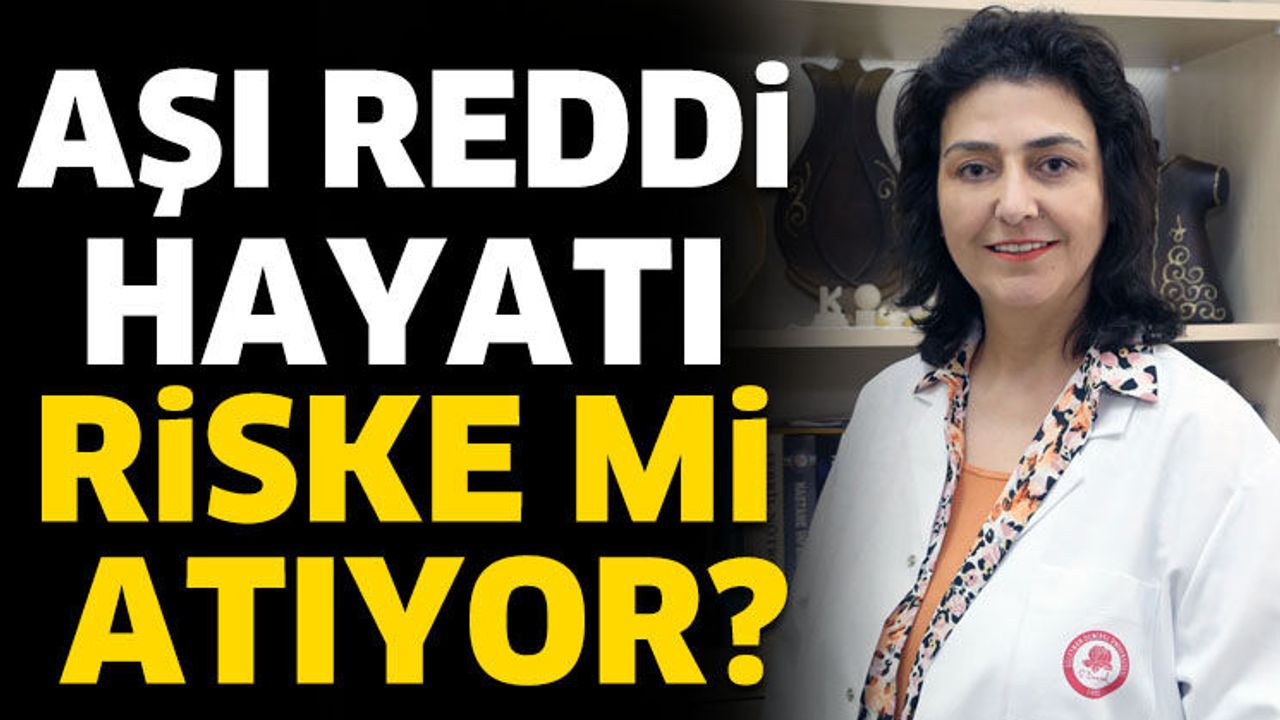
Vaccine hesitancy remains a significant global health concern, with recent data showing that one in three people worldwide may be at risk due to incomplete immunization coverage. This alarming statistic underscores the ongoing challenges in achieving herd immunity against preventable diseases, particularly as World Immunization Week 2026 approaches under the theme “Vaccines Work for All.”
The World Health Organization (WHO) and national health authorities continue to emphasize that vaccines are not only critical for individual protection but likewise essential for community-wide disease prevention. In Turkey, officials have highlighted the success of the Expanded Immunization Program, which has been in place since 1981, noting measurable declines in vaccine-preventable illnesses coinciding with rising vaccination rates.
During a recent statement, Eskişehir Provincial Health Director Yaşar Bildirici affirmed that vaccines provide both individual and societal protection, stating: “Vaccines protect families and communities, ensuring a safer life for future generations.” He further announced plans for widespread awareness activities across the province, including information booths at family health centers, community health centers, hospitals, schools, universities, and shopping malls.
These efforts aim to identify under-vaccinated individuals and complete their immunization schedules, while also organizing walks and public education sessions to boost community awareness. Similar initiatives are being coordinated nationwide, reflecting a broader commitment to closing immunization gaps revealed by recent surveys showing that approximately 33% of the population remains vulnerable to preventable diseases.
Health experts stress that vaccine hesitancy—driven by misinformation, distrust in medical institutions, or cultural beliefs—poses a tangible threat to public health gains. Diseases once considered under control, such as measles and polio, have seen resurgences in areas with declining vaccination rates, reinforcing the need for sustained outreach and trust-building.
As part of World Immunization Week 2026, health authorities are leveraging traditional and digital platforms to disseminate accurate information. Officials urge the public to consult verified sources such as the WHO, national ministries of health, and accredited medical institutions when making vaccination decisions.
The global campaign aims to reinforce confidence in vaccines by highlighting their role as one of the most effective public health interventions in history. With continued collaboration between government agencies, healthcare providers, educators, and civil society, officials hope to improve immunization rates and protect populations from avoidable illness.
For the latest updates on immunization programs and vaccination schedules, individuals are encouraged to visit their local health authority’s official website or contact their primary care provider. Staying informed through credible channels remains key to making empowered health decisions.
To join the conversation on vaccine confidence and public health, share your thoughts in the comments below or spread awareness by sharing this article with your network.