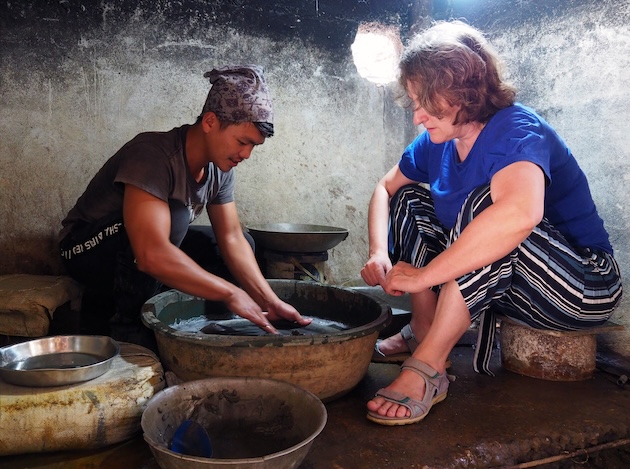
As global demand for gold continues to drive expansion in the artisanal and small-scale gold mining (ASGM) sector, a critical humanitarian and environmental crisis is unfolding in mining communities across the globe. For many women working in these informal settings, the pursuit of economic stability presents a cruel, involuntary paradox: the use of mercury to extract gold is now being linked to profound health risks that specifically threaten reproductive health and the safety of future generations.
The Minamata Convention on Mercury, a global treaty designed to protect human health and the environment from anthropogenic emissions and releases of mercury and mercury compounds, remains the central framework for addressing these hazards. International health experts and UN officials have highlighted that the exposure to mercury vapor during the burning of gold-mercury amalgam is a significant health concern, particularly for women of childbearing age, as the toxin can cross the placental barrier and affect fetal development.
The Hidden Costs of Artisanal Mining
Artisanal and small-scale gold mining is a vital source of income for millions of people in developing nations. However, the reliance on rudimentary extraction techniques often involves direct, unprotected contact with mercury. In many regions, the process involves mixing mercury with ore to create an amalgam, which is then heated—often in domestic or poorly ventilated settings—to vaporize the mercury and isolate the gold. This process releases toxic fumes directly into the living and working environments of families.
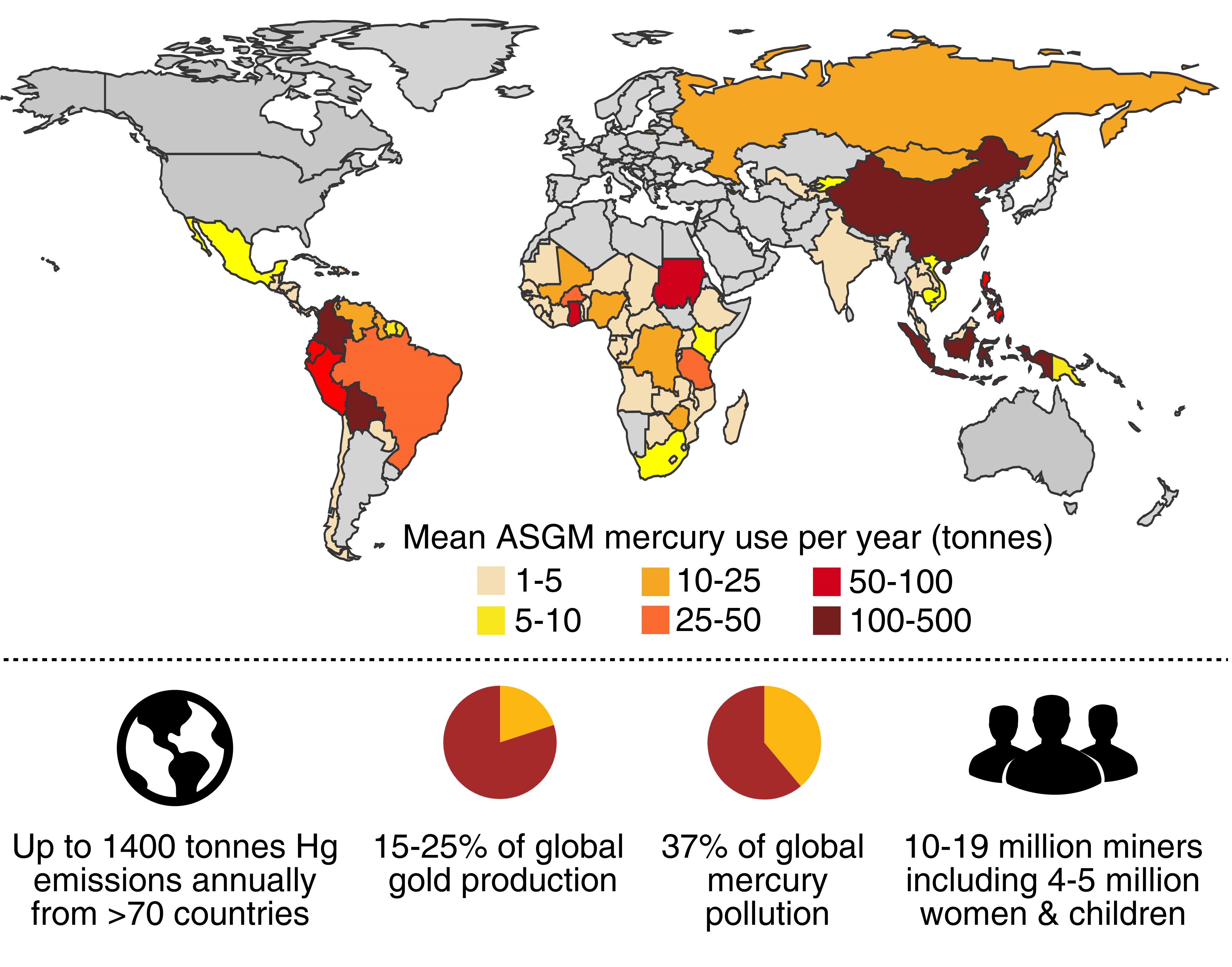
According to the World Health Organization (WHO), mercury is a toxic element that can have serious impacts on the nervous, digestive, and immune systems. For women, the concern is compounded by the bioaccumulative nature of methylmercury, which can lead to long-term neurological damage in children exposed in utero. The dilemma for many women is stark: they are often the primary providers for their households, yet the very activity they rely on for survival may be compromising their long-term health and the development of their children.
Addressing the Toxic Dilemma
The international community, through initiatives like planetGOLD, is working to implement technical training and financial inclusion strategies to transition miners away from mercury-dependent processes. These programs focus on introducing mercury-free processing technologies, such as gravity concentration and borax flux, which are safer for both the operator and the local ecosystem. By improving the efficiency of gold recovery, these methods can also increase the earnings of miners, potentially reducing the economic pressure to rely on hazardous, high-volume, low-yield practices.
The shift away from mercury is not merely a technical challenge; it is a complex socio-economic transition. Many women in the mining sector face systemic barriers to accessing the credit, land rights, and formal training needed to adopt safer technologies. Addressing these inequities is a core component of the efforts to fulfill the objectives of the Minamata Convention. As stated in reports from the United Nations Environment Programme (UNEP), the successful elimination of mercury in ASGM requires a multi-faceted approach that considers the specific needs and vulnerabilities of women in the sector.
What Happens Next
The global dialogue regarding the regulation of mercury in gold mining continues to evolve. The next major milestone for international coordination will be the sixth meeting of the Conference of the Parties (COP6) to the Minamata Convention, scheduled for November 2025 in Geneva, Switzerland. During this session, member states will review progress on national action plans and discuss further measures to curb mercury use in the mining industry.

For the women in mining communities, the path forward is tied to the scaling of safer, mercury-free alternatives and the enforcement of national policies that recognize the unique health risks faced by female miners. As these global policies are debated, the immediate focus remains on providing accessible health education and fostering the adoption of sustainable mining practices that do not force a choice between economic survival and physical health.
We invite our readers to share their thoughts on the role of international policy in protecting vulnerable workers in the informal mining sector. Your perspectives are a vital part of our ongoing coverage of global environmental and human rights issues.
- Rand Paul Ejects Fauci’s Lawyer During Tense Hearing Over Potential Criminal Charges
- US-Saudi Air Strikes in Iraq: Iranian IRGC Advisors and PMF Members Killed
- Federal Government Warns New CRT Guidelines May Impose Fines for (world-today-news.com)
- SHA Warns Residents: Take Animal Bites Seriously (newsdirectory3.com)