Google‘s Project Suncatcher: Bringing AI to the Edge of Space
For years, the question wasn’t if tech giants would explore space-based data centers, but when. Now, Google has officially entered the arena with project Suncatcher, a bold initiative to investigate the feasibility of deploying artificial intelligence infrastructure in low-Earth orbit. This isn’t simply about novelty; its a strategic response to the escalating demands of AI and the growing concerns surrounding its environmental impact.
The Core Idea: AI-Powered Satellite Constellations
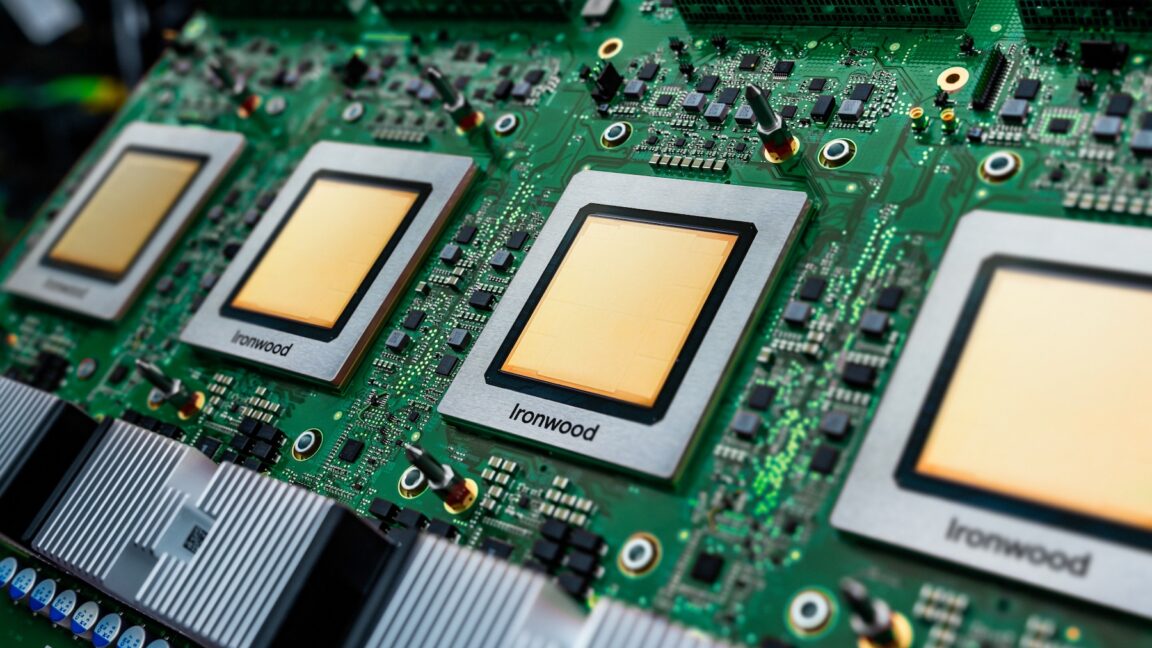
Project Suncatcher envisions swarms of satellites equipped with Google’s custom-designed AI accelerator chips – Tensor Processing Units,or TPUs.These TPUs are optimized for complex tasks like machine learning, content generation, speech synthesis, image recognition, and predictive modeling. Essentially, Google aims to create scalable machine learning compute power in space.
As Google explained in a recent blog post, the project is about “scaling machine learning compute in space” using solar-powered satellites and free-space optical links. It’s a “moonshot,” as CEO Sundar Pichai acknowledged on X (formerly Twitter), requiring solutions to important engineering hurdles.Early tests are promising, demonstrating TPU resilience against space radiation, but challenges remain in thermal management and long-term system reliability.
Why Take AI to Space? Addressing the Growing Compute Crisis
The driving force behind Project Suncatcher isn’t just technological ambition. It’s a pragmatic response to the rapidly increasing demand for AI processing power. Google researchers, like Senior Director of Paradigms of Intelligence Travis Beals, emphasize the need for a compute solution that can scale indefinitely.
Here’s a breakdown of the key motivations:
* Exponential AI Demand: The appetite for AI applications is surging, requiring ever-increasing computational resources.
* energy consumption: Traditional data centers are energy-intensive. AI alone could consume as much electricity as 22% of all U.S. households by 2028, according to MIT Technology Review.
* Cooling Challenges: Data centers require substantial cooling, often relying on significant water resources, raising sustainability concerns.
* Environmental Sustainability: Moving compute to space offers a potential path toward reducing the environmental footprint of AI.
How Project Suncatcher Works: A Deep Dive
Google’s research paper details the technical considerations behind this enterprising project. The core concept revolves around leveraging the unique advantages of space:
* Solar Power: Satellites can harness abundant solar energy,providing a sustainable power source.
* Free-Space optical Links: These links enable high-bandwidth dialog between satellites and ground stations, minimizing latency.
* TPU Optimization: Google’s TPUs are specifically designed for AI workloads and have demonstrated initial resilience to the harsh space environment.
* Distributed Computing: A constellation of satellites allows for distributed processing, enhancing scalability and redundancy.
However, the path to realization isn’t without obstacles. Maintaining optimal temperature control in the vacuum of space and ensuring the long-term reliability of complex systems are critical challenges.
What This Means for You and the Future of AI
Project Suncatcher represents a significant step toward a future where AI isn’t constrained by the limitations of terrestrial infrastructure. If accomplished, this initiative could:
* Unlock New AI Capabilities: Provide the compute power needed for more complex and refined AI models.
* Democratize Access to AI: Perhaps lower the cost of AI processing,making it more accessible to researchers and developers.
* Promote Sustainable AI: reduce the environmental impact of AI by utilizing renewable energy and minimizing water consumption.
* Accelerate Innovation: Drive advancements in satellite technology, optical communications, and AI hardware.
While still in its early stages, Project Suncatcher signals a paradigm shift in how we think about AI infrastructure.Google’s exploration of space-based computing isn’t just a technological endeavor; it’s a forward-looking strategy to address the growing demands and sustainability challenges of the AI revolution.