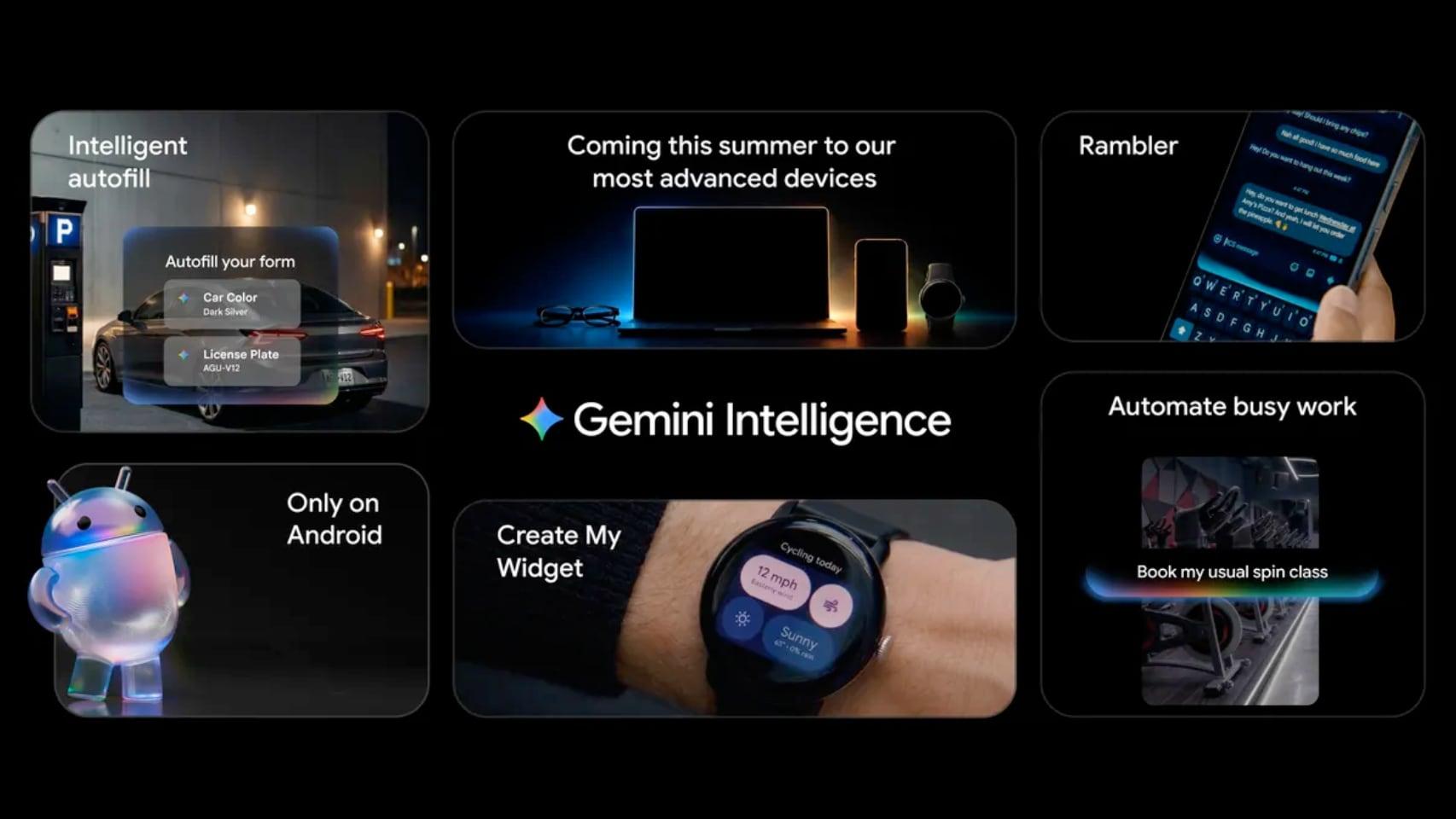
The rapid evolution of artificial intelligence is fundamentally altering the hardware requirements for modern smartphones. As Google continues to integrate its most advanced language models into its ecosystem, the industry is witnessing a shift where the performance ceiling for “premium” devices is being redefined by the computational demands of generative AI. For consumers and tech enthusiasts, this transition represents a significant moment in the lifecycle of mobile technology, as the ability to run sophisticated, on-device models becomes a primary differentiator in the flagship market.
Google’s recent advancements in the Gemini model family—specifically the Gemini 3 series—highlight the necessity of robust hardware architecture to support high-level reasoning, multimodal fusion, and agentic workflows. As these tools become more central to the user experience, they demand higher processing power, increased memory bandwidth, and specialized neural processing units (NPUs) that were not standard in handsets released only a few years ago. This evolution is not merely an iterative update; It’s a shift toward a new era of mobile computing where software capability is inextricably linked to silicon-level efficiency.
Understanding the Hardware-AI Nexus
The core challenge for smartphone manufacturers lies in the resource intensity of large language models. The latest iterations of these models, such as the Gemini 3.1 Pro and the specialized “Deep Think” reasoning modes, require significant data processing capacity to maintain speed and accuracy. According to official Google DeepMind documentation, the newest models show substantial improvements in benchmark tasks, but achieving these results in real-time on a mobile device requires hardware capable of handling massive token context windows and complex multimodal tasks.
When software demands grow faster than hardware cycles, the result is a widening gap between older flagship devices and the latest software-driven features. Devices that were considered top-tier upon their release may struggle to maintain the efficiency required for these advanced AI tasks, leading to the perception—and reality—that their utility is being curtailed by the very software updates that are meant to enhance them. This phenomenon is forcing a conversation about the longevity of premium electronics in an era defined by rapid AI development.
The Impact on Flagship Longevity
For users who invested in high-end smartphones in previous years, the current trajectory presents a complex trade-off. While manufacturers continue to provide security patches and operating system updates, the specialized hardware requirements of advanced AI models—such as the 1M token context window mentioned in Google DeepMind’s technical disclosures—may remain exclusive to newer silicon architectures. This creates a tiered experience where “premium” is no longer defined solely by display quality or camera resolution, but by the device’s ability to act as a local host for advanced generative intelligence.
The industry is moving toward a model where “agentic coding” and “multimodal fusion”—capabilities that allow a phone to understand, plan, and execute complex technical tasks—become the new baseline for high-end performance. As these features roll out, consumers are encouraged to evaluate their devices based on their NPU capacity and integrated memory. For those looking to ensure their next purchase remains relevant, the focus is shifting toward hardware that is specifically optimized for these frontier-level AI workloads.
Key Considerations for the Future of Mobile
As we look ahead, the integration of AI into the mobile experience will likely continue to accelerate. The following points summarize the current landscape for consumers navigating this transition:
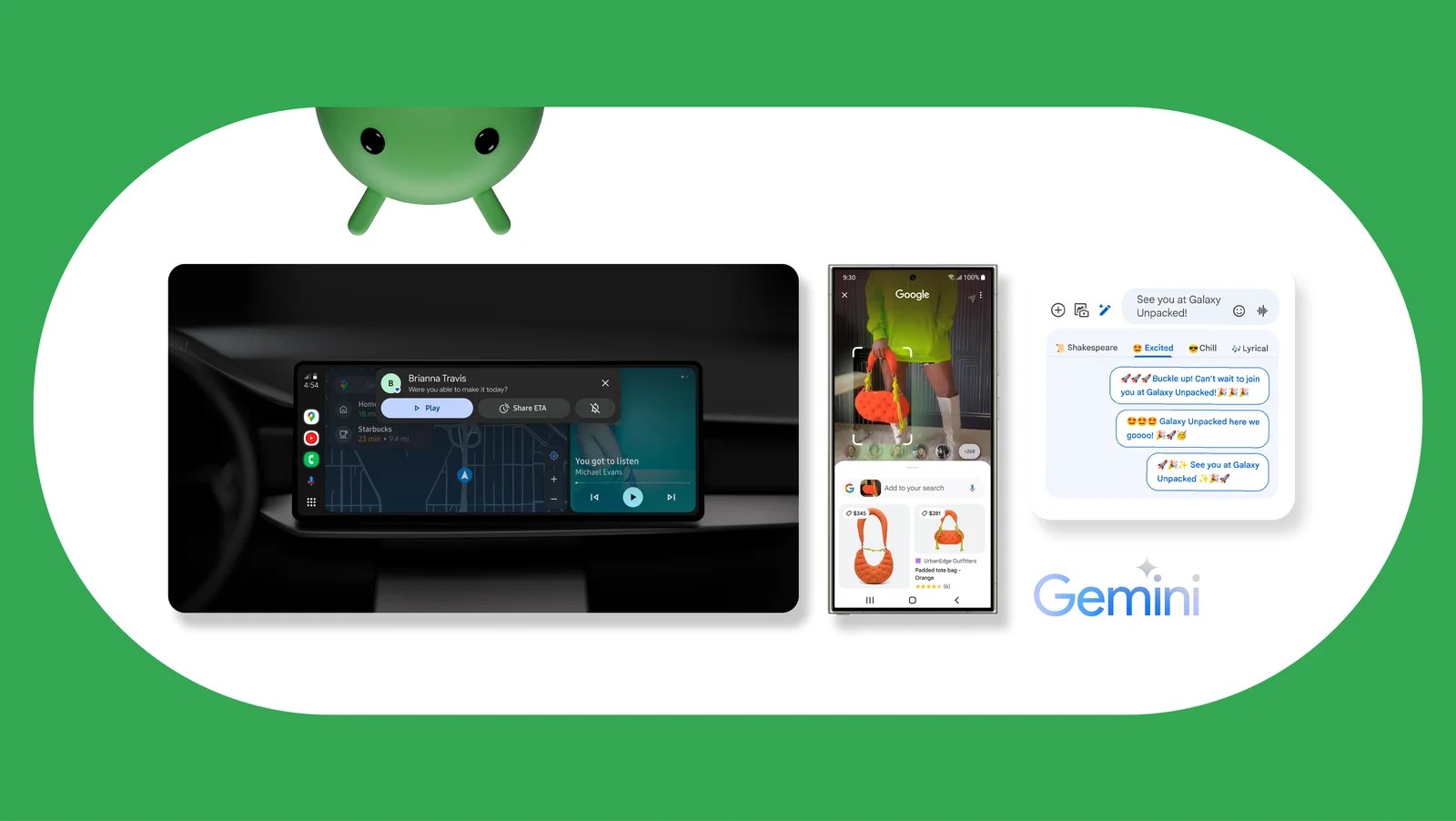
- Hardware-Software Synergy: The most advanced AI features are increasingly being built to leverage specific hardware accelerators, meaning that software-only updates cannot always compensate for older physical components.
- Computational Demands: Advanced reasoning and multimodal processing require significant thermal management and power efficiency, which are key focus areas for the latest generation of mobile processors.
- The “Agentic” Shift: Future mobile experiences will focus on the device’s ability to complete multi-step tasks across apps, a capability that relies heavily on the model’s reasoning score and context window size.
The next major checkpoint for these technologies will be the upcoming developer cycles and hardware refreshes scheduled for later this year, where manufacturers are expected to further align their flagship product lines with the requirements of these next-generation AI models. We will continue to track these developments as they unfold, providing updates on how these shifts impact the global smartphone market and the daily lives of tech users everywhere. We encourage our readers to share their thoughts on the balance between AI innovation and hardware longevity in the comments section below.