
Beyond the Screen: What the Leaked ‘Pixel Glow’ Feature Could Mean for the Pixel 11
The evolution of the smartphone has long been a race toward thinner bezels, brighter displays, and more powerful processors. Yet, a different kind of innovation—one centered on how we interact with our devices without actually looking at them—appears to be on the horizon for Google’s hardware lineup. As the industry shifts toward “calm technology,” a concept where devices provide information subtly and only when needed, a new discovery in Google’s software code has sparked intense speculation about the future of the Pixel series.
Recent findings within the Android 17 beta code have revealed a mysterious new feature tentatively dubbed “Pixel Glow.” If the rumors hold true, this feature could represent a significant shift in how Google handles ambient notifications, moving away from intrusive screen wake-ups toward a more sophisticated, hardware-integrated lighting system. The discovery suggests that Google is looking to bridge the gap between software intelligence and physical design, potentially debuting this capability with the upcoming Pixel 11 range.
While Google has yet to officially confirm the existence of Pixel Glow, the technical breadcrumbs left in the developer code provide a compelling glimpse into the direction of the next generation of Pixel devices. This isn’t merely about adding more LEDs to a chassis; it is about creating a new language of light that informs the user of the digital world while the phone remains face down on a desk or nightstand.
A Glimpse into Android 17: The Discovery of ‘Pixel Glow’
The technical foundation for this feature was unearthed by developers examining the Android 17 beta. Within the code, researchers identified specific strings of text that describe a functionality designed to utilize light and color as a notification medium. The code describes the feature as providing “subtle light and color on the back of your device to inform you of key activity when it’s face down.”
This specific description is telling. It implies that Pixel Glow is not intended to be a bright, attention-grabbing light show, but rather a nuanced, ambient indicator. By utilizing the back of the device, Google could allow users to maintain their focus on the physical world—or keep their screens dark to save battery and reduce blue light exposure—while still remaining aware of high-priority alerts.
This approach mirrors the philosophy of “glanceable” information. In an era of digital fatigue, the ability to know that a specific contact is calling or that a critical notification has arrived, without the need to physically lift or unlock the phone, offers a layer of seamlessness that current notification systems often lack. It transforms the smartphone from a device that demands attention into one that communicates with discretion.
Hardware Integration: Camera Bar or the Iconic ‘G’ Logo?
The most significant question remaining is how Google will physically implement this light. Because the feature relies on “subtle light and color,” the hardware must allow for light to permeate the device’s exterior without compromising its structural integrity, water resistance, or premium aesthetic. Current CAD-based renders of the Pixel 11 range have not yet provided definitive answers, which suggests that the lighting elements may be cleverly hidden within existing design motifs.
One prominent theory is that the lighting will be integrated into the Pixel’s distinctive camera bar. This area of the phone is already a centerpiece of its design, and utilizing the space around the lenses could allow for a ring of light that changes color based on the type of notification. This would provide a clear, localized visual cue that is easily recognizable even from a distance.
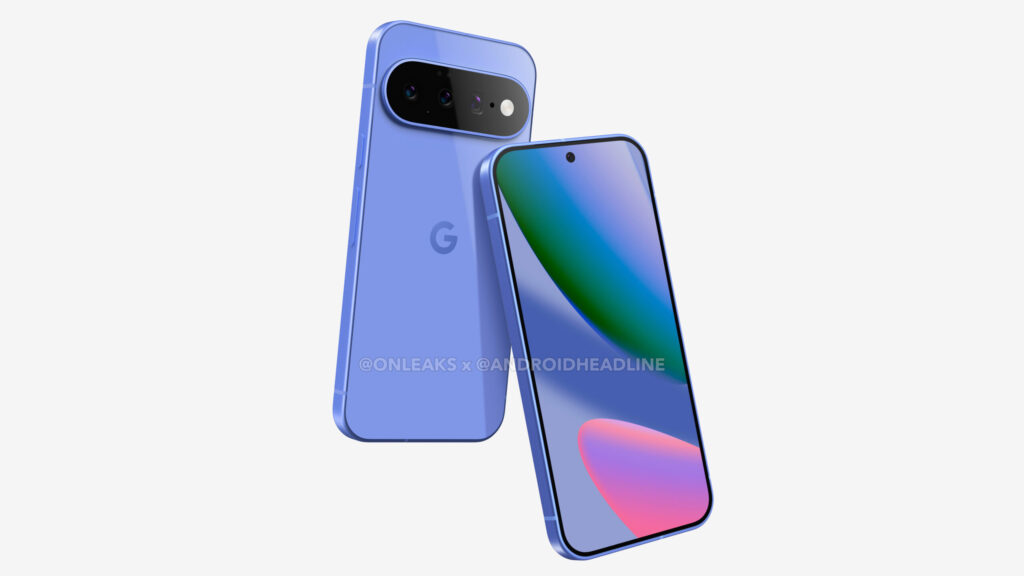
A second, perhaps less likely, possibility involves the iconic ‘G’ logo on the rear of the device. Much like how certain laptop manufacturers have historically used illuminated logos to signify power or status, Google could split the ‘G’ into sections that light up in sequence or in specific colors. While this would be a striking design choice, it may offer less surface area for the “subtle” and varied color communication that the Android 17 code suggests.

The design challenge here is non-trivial. Integrating light-emitting elements into the rear housing requires careful engineering to ensure that the light is diffused enough to look “subtle” rather than “pixelated,” and that the materials used do not interfere with wireless charging or the device’s overall durability. If Google succeeds, the Pixel 11 could set a new standard for how hardware and software work in tandem to create an ambient user experience.
The Competition: Following the ‘Glyph’ Path?
Google is certainly not the first to explore the utility of rear-mounted lighting. The tech industry has seen a growing interest in this space, most notably with the Nothing Phone and its “Glyph Interface.” Nothing’s approach uses a series of LED strips on the back of the device to provide visual feedback for timers, silent mode status, and specific contact notifications.
While Nothing’s implementation is often bold and highly visible, Google’s “Pixel Glow” appears to be aiming for a different psychological space. By emphasizing “subtle” lighting, Google may be attempting to integrate the feature more deeply into the background of the user’s life, rather than making it a primary design statement. This distinction is crucial for a brand that often prioritizes a clean, “helpful” user experience over flashy, novelty-driven hardware features.
Personalized Notifications: A New Layer of User Experience
Beyond the hardware, the software implementation of Pixel Glow holds significant potential for personalization. The Android 17 code suggests that users will be able to customize the lighting for specific contacts. Imagine assigning a unique color to your most important family members or close friends; a soft blue glow could indicate a message from a spouse, while a warm amber might signal a notification from a colleague.
This level of customization turns a simple notification light into a meaningful communication tool. It allows for a hierarchy of information that is visually intuitive. By assigning colors to specific “importance” levels or specific people, the Pixel 11 could reduce the cognitive load required to process notifications, allowing users to decide whether an alert warrants their immediate attention or can wait until they are ready to engage with their screen.
This capability would align perfectly with Google’s broader push into AI-driven, personalized experiences. If Gemini and other Google AI services can intelligently categorize notifications, Pixel Glow could serve as the physical manifestation of that intelligence, providing a real-time, color-coded summary of the user’s digital environment.
Key Takeaways: The Future of Pixel Interaction
- Discovery: “Pixel Glow” was identified within the Android 17 beta code, suggesting a new hardware-software feature.
- Functionality: The feature is designed to provide subtle light and color on the back of the device for notifications when it is face down.
- Design Speculation: Implementation may be hidden within the camera bar or the ‘G’ logo to maintain a premium aesthetic.
- Customization: Users may be able to assign specific colors to important contacts for personalized visual alerts.
- Market Context: The feature enters a landscape of ambient notification tools, following trends set by companies like Nothing.
Looking Ahead: Google I/O and the Path to August
As we move closer to major Google hardware cycles, the speculation surrounding the Pixel 11 is only expected to intensify. While the Android 17 code provides a roadmap, the physical reality of Pixel Glow remains unconfirmed. The next significant checkpoint for developers and enthusiasts alike will be the upcoming Google I/O developer conference. While Google typically uses I/O to focus on software and AI, it is not uncommon for the company to offer a sneak peek at the hardware that will house its next generation of software innovations.

If Pixel Glow is indeed a cornerstone of the Pixel 11 experience, we may see more definitive details regarding its design and functionality during the mid-year developer events. Following that, the industry will look toward August, the traditional window for Google’s flagship smartphone announcements, to see if these “subtle” lights truly make their debut.
What do you think about the concept of Pixel Glow? Would you prefer a visible light-up logo or a more subtle camera bar integration? Let us know in the comments below and share this article with your fellow tech enthusiasts.
Worth a look