

Google is facing significant criticism in South Korea after its local weather services began prioritizing the term “Sea of Japan” over “East Sea,” sparking a renewed wave of geopolitical tension over the nomenclature of the body of water separating the two nations.
The controversy centers on the company’s weather alert and information services, where users in South Korea have reported seeing the label “Sea of Japan (East Sea)” instead of the locally preferred “East Sea.” This shift has drawn sharp condemnation from academics and activists who argue that the tech giant is ignoring local sentiment and violating its own established protocols for handling disputed geographical names.
The issue has gained momentum following public statements from Seo Kyung-duk, a professor at Sungshin Women’s University and a prominent advocate for the correct naming of the East Sea. Professor Seo highlighted that the labeling is not only offensive to the Korean public but also inconsistent with how Google typically manages regional naming disputes across its other platforms.
A Departure from Regional Naming Protocols
For years, Google has generally employed a policy of “localized notation” for disputed territories and bodies of water. Under this framework, the service typically displays the name of a location based on the country from which the user is accessing the information. For example, users in South Korea would see “East Sea,” while users in Japan would see “Sea of Japan.”
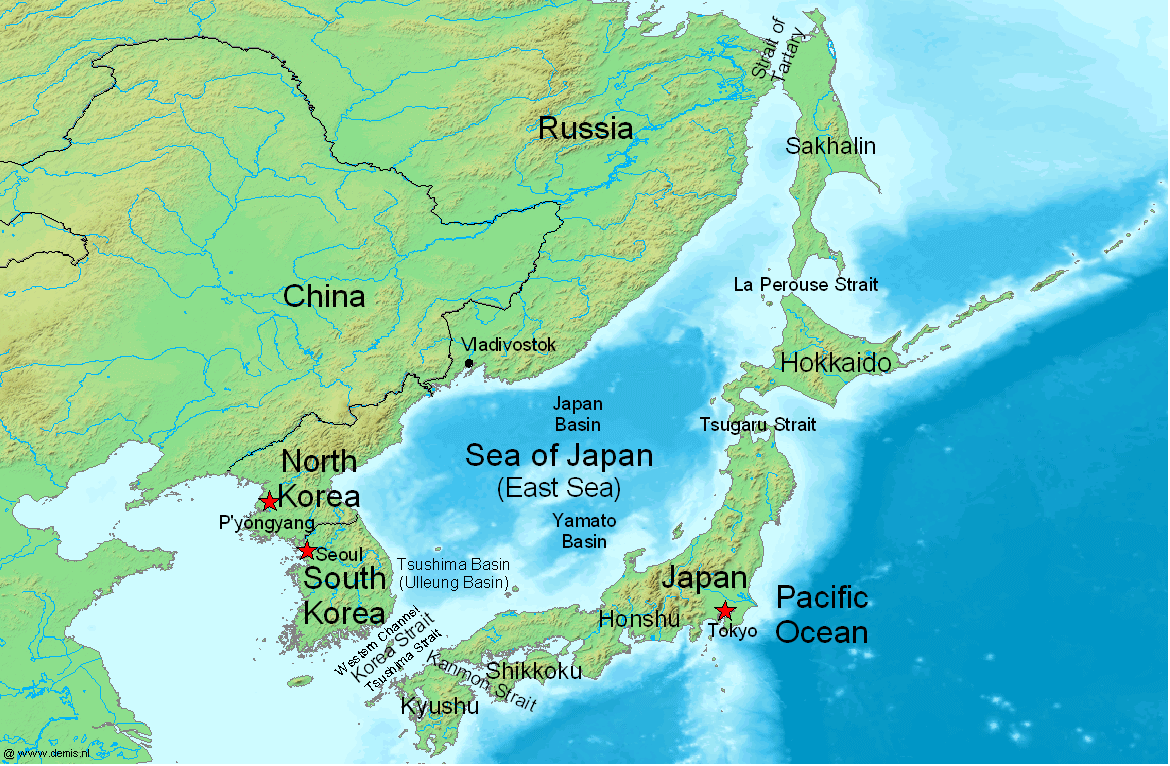
However, the current implementation in the weather service appears to deviate from this standard. According to Professor Seo, the label “Sea of Japan (East Sea)” has begun appearing more frequently in domestic weather services. He noted that while this labeling had previously appeared in some East Coast areas, it has recently expanded to include regions in Gyeongnam, such as Changwon and Changnyeong.
This shift is viewed by critics as a regression in Google’s commitment to regional sensitivity. By placing “Sea of Japan” first, the service is seen as validating the Japanese claim over the naming rights within the borders of South Korea, a move that Professor Seo describes as a treatment that ignores the basic sentiment of the country.
The Geopolitical Weight of the ‘East Sea’
The dispute over whether to call the body of water the East Sea or the Sea of Japan is not merely a linguistic disagreement; it is a deeply rooted geopolitical conflict tied to historical grievances and national identity. South Korea maintains that “East Sea” is the historically accurate name and that the term “Sea of Japan” was popularized during the period of Japanese colonial rule over the Korean Peninsula from 1910 to 1945.
The South Korean government has spent decades lobbying international organizations, such as the United Nations and the International Hydrographic Organization (IHO), to adopt the dual-naming system or prioritize “East Sea.” The goal is to ensure that international maps and digital services reflect the competing claims neutrally rather than defaulting to a single national perspective.
When a global entity like Google—which serves as a primary source of information for millions—alters its labeling, it can be perceived as an official endorsement of one side’s historical narrative. In the digital age, the “default” setting of a search engine or weather app carries significant weight in shaping global perception.
Calls for Government Intervention and Corporate Correction
The backlash has led to urgent calls for the South Korean government to take a firmer stance against the tech giant. Professor Seo has urged for “strong measures at the government level” to ensure that Google corrects the weather marks to align with domestic customs and the sentiments of the Korean people.
The frustration is compounded by the fact that Google’s other services, such as Google Maps, have historically been the primary battleground for these disputes. The sudden appearance of the “Sea of Japan” priority in a utility as common as a weather alert suggests a potential systemic change in how Google is categorizing the region’s geography.
Stakeholders argue that for a company of Google’s scale, maintaining consistency across all product suites—from Maps to Weather—is essential for maintaining trust in diverse international markets. The current discrepancy suggests a lack of coordination between different product teams or a shift in corporate policy regarding disputed nomenclature.
Key Points of the Controversy
| Issue | Korean Perspective | Current Google Weather Label |
|---|---|---|
| Primary Name | East Sea (Donghae) | Sea of Japan (East Sea) |
| Google Policy | Should follow regional access (Local Name) | Prioritizing “Sea of Japan” in Korean locales |
| Affected Areas | National sentiment / East Coast | Expanding to Gyeongnam (Changwon, Changnyeong) |
What This Means for Global Tech Standards
This incident underscores the precarious position of global technology companies operating in regions with high geopolitical tension. As AI and automated data feeds increasingly drive the content of weather and map services, the risk of “algorithmic bias” or the accidental application of a single dominant dataset increases.
For Google, the challenge lies in balancing a global standardized database with the need for hyper-local sensitivity. When automated systems default to one name over another, it can trigger diplomatic friction and consumer boycotts, as seen in previous naming disputes involving the South China Sea or the borders of Kashmir.
The reaction from the South Korean public indicates that digital representation is viewed as a matter of national sovereignty. The demand for a correction is not just about a label on a screen, but about the recognition of historical truth and national dignity in the digital sphere.
As of now, Google has not issued a formal public response to the specific complaints regarding the weather service’s expansion of the “Sea of Japan” label into the Gyeongnam region. However, the growing pressure from academic circles and the potential for government intervention suggest that the company may be forced to review its nomenclature settings for the Korean market.
The next critical development will be whether the South Korean Ministry of Foreign Affairs or the Korea Communications Commission issues a formal request for correction, which would elevate the issue from a social media controversy to a diplomatic matter.
Do you believe global tech companies should strictly follow local naming conventions, or should they maintain a single global standard? Share your thoughts in the comments below.