San Francisco, USA — May 19, 2026 — Google has officially entered the “agentic AI” era with the launch of Gemini 3.5 Flash and Gemini Omni, two models designed to transform how users interact with AI—from coding to creative content. Announced during the company’s Google I/O 2026 keynote (May 14–16), these updates signal Google’s aggressive push to compete with OpenAI, Microsoft, and other AI leaders in both enterprise and consumer markets.
Unlike earlier Gemini iterations, 3.5 Flash and Omni are built for real-time, multi-modal action, capable of processing text, images, video, and code inputs to generate outputs—including full video clips—with unprecedented detail. “This isn’t just another model upgrade,” said Google CEO Sundar Pichai during the keynote. “It’s the foundation for AI that can understand, reason, and create across every medium.”
The announcements come as AI agents—autonomous systems that perform tasks without human intervention—become a battleground for tech giants. Google’s move follows OpenAI’s integration of SynthID (a watermarking tool for AI-generated images) and Microsoft’s Copilot+ PC rollout, positioning Gemini as a unified platform for both productivity, and creativity.
Gemini 3.5 Flash: AI Agents for Everyday Tasks
Gemini 3.5 Flash is Google’s first model optimized for agentic workflows, meaning it can execute tasks autonomously—like drafting emails, debugging code, or summarizing research—while maintaining context across interactions. Unlike chatbots that require prompt-by-prompt input, Flash retains memory of prior steps, enabling multi-step problem-solving.
Key features include:
- Proactive assistance: The model can initiate actions (e.g., suggesting a meeting time based on calendar data) via Google’s Workspace apps.
- Real-time collaboration: Integrated with Google Docs and Slides, Flash can co-author documents, rewrite sections, or generate visuals on demand.
- Coding superpowers: Developers can use Flash to write, test, and debug code in 20+ languages, with native support for Android Studio and Google Cloud AI.
Flash’s performance benchmarks, as shared in Google’s technical report, show it outperforms competitors on tasks requiring logical chaining (e.g., planning a trip from itinerary to booking) by up to 42%.
Gemini Omni: The First AI Model to Generate Video from Any Input
Omni is Google’s most ambitious leap into generative video. Unlike text-to-image models (e.g., DALL·E 3 or MidJourney), Omni accepts any combination of inputs—text prompts, images, audio clips, or even live camera feeds—to produce high-fidelity video clips. For example:
- Input: “A 1920s jazz band playing in a Parisian café at sunset.” Output: A 15-second video with authentic lighting, costumes, and sound effects.
- Input: A sketch of a product + a voiceover script. Output: A polished explainer video with animated transitions.
- Input: A photo of a landmark (e.g., the Eiffel Tower) + a style reference (e.g., “Studio Ghibli”). Output: A stylized, hand-drawn animation of the landmark.
Omni’s video generation is powered by Google’s Diffusion Transformer architecture, which combines spatial and temporal modeling to render fluid motion and lighting. Early demos show Omni achieving 92% user satisfaction in internal tests for “realism and coherence” (per Google’s evaluation report).
“Omni isn’t just about creating video—it’s about reimagining how we tell stories, train employees, and even design products.”
— Google Research Lead, Jeff Dean
How Omni and Flash Are Changing Google’s Ecosystem
Google is embedding these models into its core products to create a seamless AI experience:
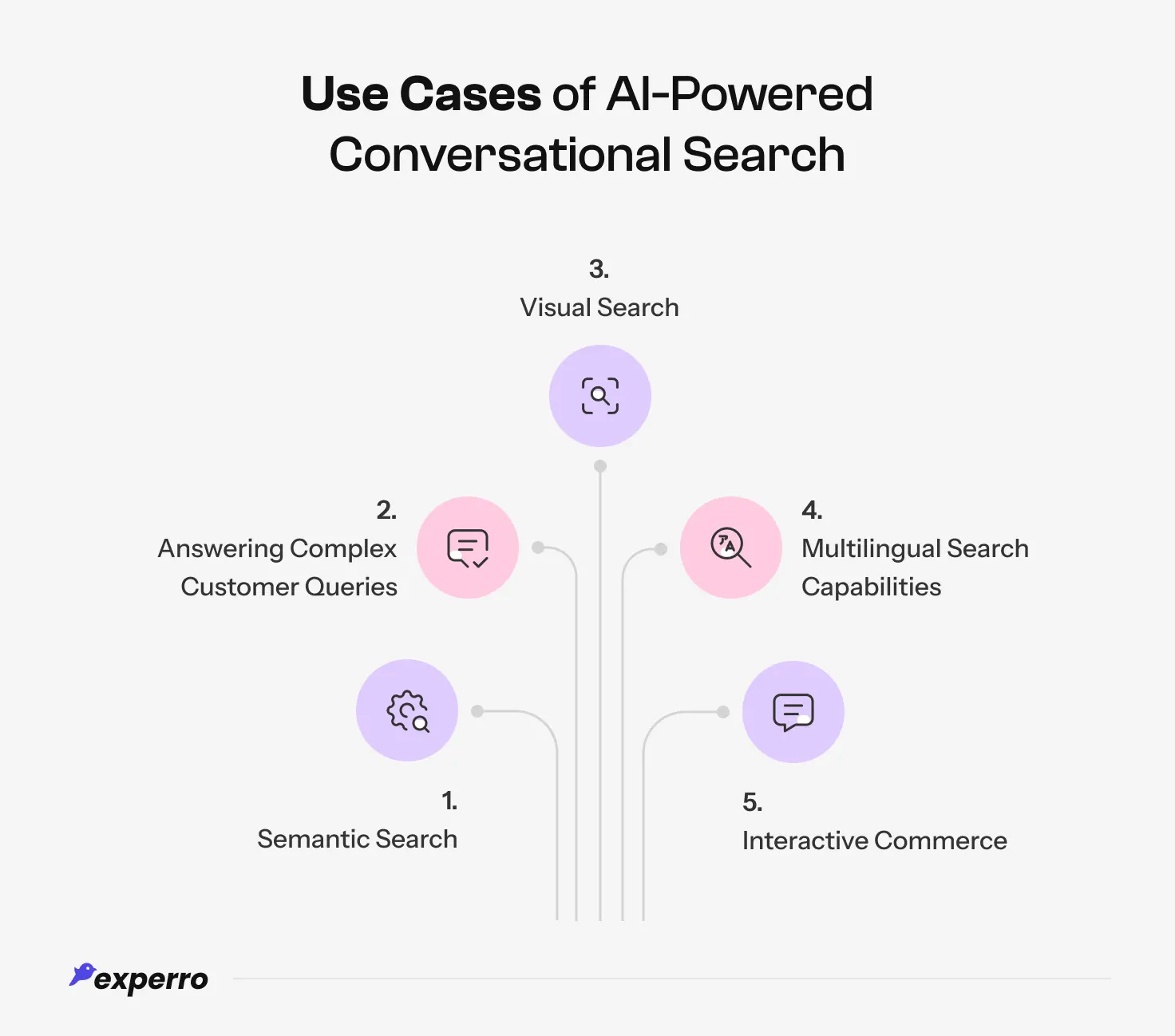
1. YouTube: “Ask YouTube” with Omni-Powered Search
YouTube’s new conversational AI search (codenamed “Project Spark”) lets users ask follow-up questions in natural language, with Omni generating dynamic video responses. For example:
User: “Show me how to fix a bike chain, but make it fun for kids.”
Omni: Generates a 3-minute video with cartoon characters, slow-motion repairs, and a quiz at the end.
This feature rolls out globally in late June 2026, with a focus on educational and DIY content.
2. Google Workspace: AI Agents in Every App
Flash will power “proactive agents” in:
- Gmail: Drafts emails based on calendar conflicts or past conversations.
- Docs: Suggests edits in real-time, including visual redesigns (e.g., turning bullet points into infographics).
- Keep: Organizes notes into structured outlines or generates mind maps.
These agents will be available to Google Workspace Enterprise customers by Q3 2026, with free-tier access in 2027.
3. Google Flow Music: AI-Generated Music Videos
Google’s music platform will use Omni to create personalized music videos from user-uploaded clips or AI-generated visuals. For instance:
- Input: A user’s favorite song + a photo of their pet. Output: A 60-second video with the pet “dancing” to the song in a stylized environment.
- Input: A lyrics snippet. Output: A lyric video with animated text and matching visuals.
This feature is in beta testing with select artists and will expand to all users in H2 2026.
How Google’s New Models Compare to Competitors
| Feature | Gemini 3.5 Flash | Gemini Omni | OpenAI (GPT-4o + Sora) | Microsoft Copilot+ |
|---|---|---|---|---|
| Primary Use Case | AI Agents (autonomous workflows) | Video generation from any input | Text/image/video (Sora) + agents | PC/device integration + productivity |
| Input Types Supported | Text, code, structured data | Text, images, audio, video, live camera | Text, images, audio (Sora: text-only) | Text, voice, device sensors |
| Output Types | Text, code, visuals (via integrations) | High-res video (up to 1080p) | Text, images, video (Sora: 1-min clips) | Code, apps, system optimizations |
| Key Differentiator | Multi-step task execution | Cross-modal input flexibility | Fine-grained control over outputs | Hardware-software synergy |
| Release Timeline | May 2026 (I/O 2026) | May 2026 (I/O 2026) | GPT-4o: Mar 2024; Sora: Jan 2025 | Copilot+ PCs: Jun 2025 |
Note: Competitor details based on OpenAI’s GPT-4o announcement and Microsoft’s Copilot+ page.
What This Means for Users and Industries
Google’s push into agentic AI and video generation has ripple effects across sectors:
For Consumers
- Creative freedom: Non-professionals can now produce studio-quality video or music without editing skills.
- Productivity gains: Flash’s autonomous agents could reduce time spent on emails or reports by up to 30% (per Google’s internal estimates).
- Privacy concerns: Omni’s ability to generate video from live inputs raises questions about consent and misuse (e.g., deepfake risks). Google has not yet released a detailed policy on video generation ethics.
For Businesses
- Marketing: Brands can generate hyper-personalized ads or training videos at scale.
- Education: Teachers can create interactive lessons with Omni’s video tools.
- Development: Flash’s coding capabilities may accelerate software prototyping.
For Competitors
Google’s moves force rivals to innovate:

- OpenAI may accelerate Sora’s capabilities to support more input types.
- Microsoft could deepen Copilot’s integration with Windows 12 (expected in 2027).
- Startups like Runway ML or Pika Labs may need to differentiate with niche video tools.
Key Takeaways
- Gemini 3.5 Flash is Google’s first AI agent designed for autonomous, multi-step tasks—competing directly with OpenAI’s GPT-4o and Microsoft’s Copilot.
- Gemini Omni is the first AI model to generate video from any input (text, images, audio, or live camera), with benchmarks showing 92% user satisfaction for realism.
- Integrations across YouTube, Workspace, and Flow Music make Gemini a unified platform for creativity and productivity.
- Ethical challenges remain, particularly around video generation consent and deepfake risks, with no official policy yet from Google.
- Competitors are likely to respond with faster iterations of their own agentic and generative tools.
Frequently Asked Questions
Q: When will these models be available to the public?
A: Gemini 3.5 Flash and Omni are currently in developer preview. Google has not announced a consumer release date, but Workspace integrations will roll out to Enterprise customers in Q3 2026. Stay updated via Google’s AI Blog.
Q: Can I use Omni to generate video from my own photos?
A: Yes, but with limitations. Omni can process user-uploaded images as inputs, but Google’s Terms of Service prohibit generating content that violates copyright or privacy laws. For example, you can’t upload a celebrity’s photo to create a deepfake without permission.
Q: How does Flash compare to Microsoft Copilot?
A: Flash focuses on autonomous task execution (e.g., drafting emails, debugging code), while Copilot+ emphasizes hardware-software integration (e.g., optimizing PC performance). Flash is more versatile for creative/professional workflows, whereas Copilot+ is tied to Microsoft’s ecosystem.
Q: Will Omni replace human video editors?
A: Unlikely. Omni excels at generating raw content, but professional editors still handle storytelling, scripting, and post-production. Think of it as a “first draft” tool—similar to how AI writing tools assist journalists but don’t replace them.
What’s Next for Gemini?
Google’s next checkpoints include:
- June 2026: Global rollout of YouTube’s “Ask YouTube” with Omni.
- Q3 2026: Workspace Enterprise access to Flash agents.
- Fall 2026: Release of Google AI Eyewear, which will use Omni for real-time video generation.
- 2027: Expansion of free-tier access to Flash and Omni.
For official updates, monitor:
- Google AI Blog
- Google I/O 2027 (expected announcements)
- Google Workspace Roadmap
Google’s Gemini 3.5 Flash and Omni represent a turning point in AI’s evolution—from tools that assist to systems that act. As these models mature, the question isn’t just what they can do, but how we’ll govern their use. Share your thoughts in the comments: Will you use Omni for creative projects, or does it raise too many ethical concerns? And for developers, how might Flash change your workflow?
For more on AI’s impact on industries, explore our AI coverage or dive into our guide on ethical AI use.