
In a medical feat rarely witnessed in the world of zoological veterinary science, a female gorilla at Zoo Atlanta has successfully given birth via an emergency cesarean section. The procedure, described by experts as an extraordinary intervention, has resulted in the healthy arrival of a newborn gorilla, marking a significant milestone for the institution’s veterinary team and the broader field of primate medicine.
The successful delivery of the infant follows a period of intense medical monitoring and a high-stakes decision by specialists to perform the surgical intervention. While C-sections are common in human medicine, they remain exceptionally rare in great apes due to the physiological complexities, the risks associated with anesthesia in large primates, and the inherent difficulty of managing such a massive, powerful patient during an emergency.
The news has sent ripples of excitement through the global scientific and conservation communities. For Zoo Atlanta, the event is not merely a biological success but a testament to the advanced capabilities of modern zoological medicine. As the mother, a Western Lowland Gorilla named Kiana, and her newborn continue their recovery, the focus shifts to the long-term health of this rare duo and what this achievement means for the future of great ape care.
A Critical Medical Intervention in Atlanta
The emergency procedure was necessitated by complications during Kiana’s natural labor process. According to reports from Zoo Atlanta, the decision to move to a surgical intervention was made when it became clear that a natural birth posed a significant risk to both the mother and the unborn infant. In the world of primatology, waiting too long during a complicated labor can be fatal, requiring veterinary teams to act with precision and extreme speed.
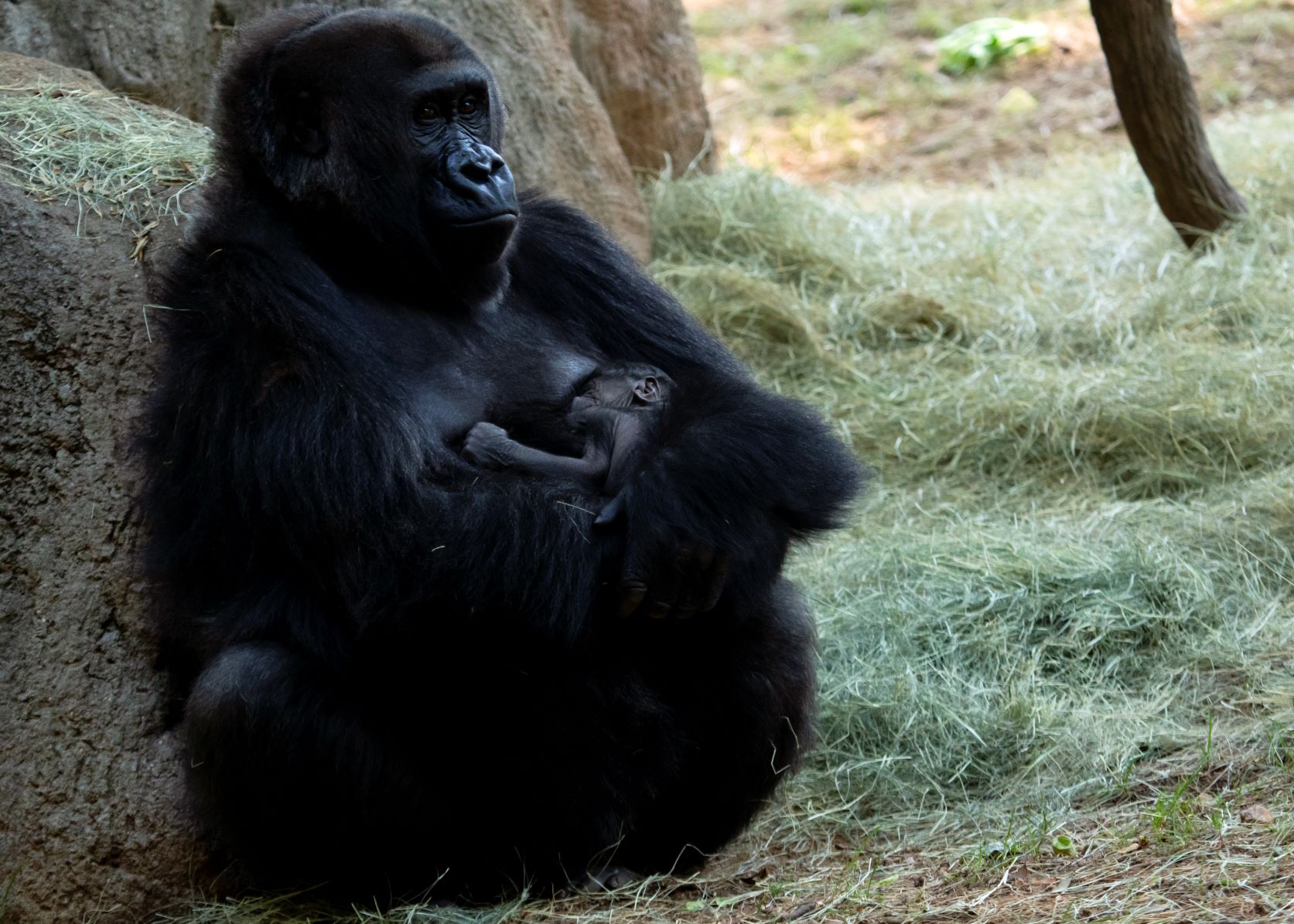
The surgical team at Zoo Atlanta, composed of specialized veterinarians and technicians, worked under intense pressure to stabilize Kiana and perform the cesarean section. The complexity of such an operation cannot be overstated; the sheer muscle mass and anatomical structure of a female gorilla require specialized equipment and highly controlled anesthetic protocols to ensure the patient remains stable throughout the procedure.
Following the successful extraction of the infant, both Kiana and the newborn were moved to a controlled environment for intensive post-operative monitoring. Early reports indicate that the newborn is doing well, and the veterinary staff is closely observing Kiana as she recovers from the surgery. The successful outcome of this “rare case,” as described by local news outlets, underscores the evolution of emergency care within modern zoological facilities.
The Science and Risk of Primate Surgery
To understand why a gorilla C-section is considered a landmark event, one must look at the unique biological challenges involved. Unlike domestic animals, great apes like the Western Lowland Gorilla share much of their physiology with humans, yet their scale and strength present unique hurdles for surgical teams. One of the primary concerns is anesthesia management. Maintaining a stable heart rate and respiratory function in a large primate during a lengthy abdominal surgery requires a delicate balance of pharmacological expertise.
the physical environment of a zoo often requires veterinary teams to perform these procedures in specialized medical suites that are designed to mimic hospital conditions while accommodating the unique needs of non-human patients. The risk of infection, the management of post-surgical pain, and the subsequent behavioral reintegration of the mother into her troop are all critical components of the recovery process.
The success in Atlanta highlights several key advancements in the field:
- Advanced Anesthetic Monitoring: The ability to precisely track vital signs in large-bodied primates.
- Specialized Surgical Tooling: The use of equipment scaled for the anatomical requirements of great apes.
- Post-Operative Behavioral Management: Ensuring the mother’s psychological well-being is prioritized alongside her physical healing, which is vital for successful nursing and bonding.
Implications for Global Conservation
Beyond the immediate medical triumph, this event carries significant weight for the conservation of the Western Lowland Gorilla. This species is currently classified as Critically Endangered by the International Union for Conservation of Nature (IUCN). With populations declining due to habitat loss, poaching, and disease, every successful birth in a managed care setting serves as a vital component of the broader species survival plan.
Managed care institutions like Zoo Atlanta play a crucial role in maintaining genetic diversity and providing a “safety net” for species facing extinction in the wild. The ability to successfully navigate high-risk reproductive events like this C-section ensures that the genetic lineage of these animals can be preserved and, potentially, used to bolster wild populations in the future through sophisticated conservation programs.
As veterinary medicine continues to advance, the lessons learned from Kiana’s successful delivery will likely be shared with other zoological institutions worldwide. This collaborative spirit is essential for the survival of great apes, as it allows for the standardization of emergency protocols and the sharing of best practices in primate reproductive health.
Key Takeaways: The Kiana C-Section Success
- Medical Rarity: Emergency C-sections are exceptionally uncommon and high-risk for great apes.
- Successful Outcome: Both the mother, Kiana, and the newborn are reported to be in stable condition.
- Veterinary Milestone: The event demonstrates the high level of specialized medical expertise available at Zoo Atlanta.
- Conservation Impact: Successful births in managed care are critical for the long-term survival of the Critically Endangered Western Lowland Gorilla.
Frequently Asked Questions
Why is a C-section so much harder for a gorilla than a human?
The primary challenges include the massive scale of the animal, the difficulty of maintaining precise anesthesia in such a large body, and the extreme physical strength of the patient, which requires specialized handling and medical environments.

What species of gorilla is Kiana?
Kiana is a Western Lowland Gorilla, a species that is currently listed as Critically Endangered.
Will the baby be raised by its mother?
In most successful C-section cases, the goal is to facilitate immediate bonding and natural nursing. The veterinary team will monitor Kiana’s behavior to ensure she accepts and cares for the newborn naturally.
How often do these procedures happen in zoos?
They are extremely rare. While C-sections are performed in various animal species, they are considered a “last resort” in great apes due to the high level of risk involved.
The next official update regarding Kiana’s recovery and the newborn’s health is expected to be released through Zoo Atlanta’s official communication channels as the post-operative monitoring period progresses.
What are your thoughts on the advancements in zoological medicine? Share this story with your network and join the conversation in the comments below.