/s3/static.nrc.nl/wp-content/uploads/2026/06/04091259/040626VER_2034218431_Marsman.jpg)
The Dutch literary community is in mourning following the passing of Lieke Marsman, a celebrated poet, philosopher, and novelist, who has died at the age of 35. Known for her profound contributions to contemporary literature and her tenure as the Dichter des Vaderlands (Poet Laureate of the Netherlands), Marsman’s work left an indelible mark on the cultural landscape of the Netherlands. Her death was confirmed as the result of a battle with cancer, as reported by major national news outlets.
As a journalist, I often find that words serve as our most enduring legacy. Lieke Marsman understood this better than most, using her platform to explore themes of climate change, personal identity, and the complexities of human existence. Her sudden passing at such a young age has resonated deeply with readers and fellow writers alike, marking a significant loss for European literature.
A Literary Voice for a Generation
Lieke Marsman first emerged on the literary scene with a distinct and urgent voice. Her debut poetry collection, Wat ik mijzelf graag voorhoud (What I like to tell myself), was published in 2010 and earned significant acclaim, receiving the Lucy B. En C.W. Van der Hoogtprijs. This early success set the stage for a career defined by intellectual rigor and emotional honesty.
Beyond her poetry, Marsman was a prolific essayist and novelist. Her work, including the novel Het tegenovergestelde van een mens (The Opposite of a Person), bridged the gap between fiction and philosophical inquiry. She frequently addressed the climate crisis, blending scientific concern with the deeply personal experience of living in an era of environmental uncertainty. This ability to synthesize the global with the intimate was a hallmark of her writing, ensuring that her work remained accessible yet challenging.
Tenure as Dichter des Vaderlands
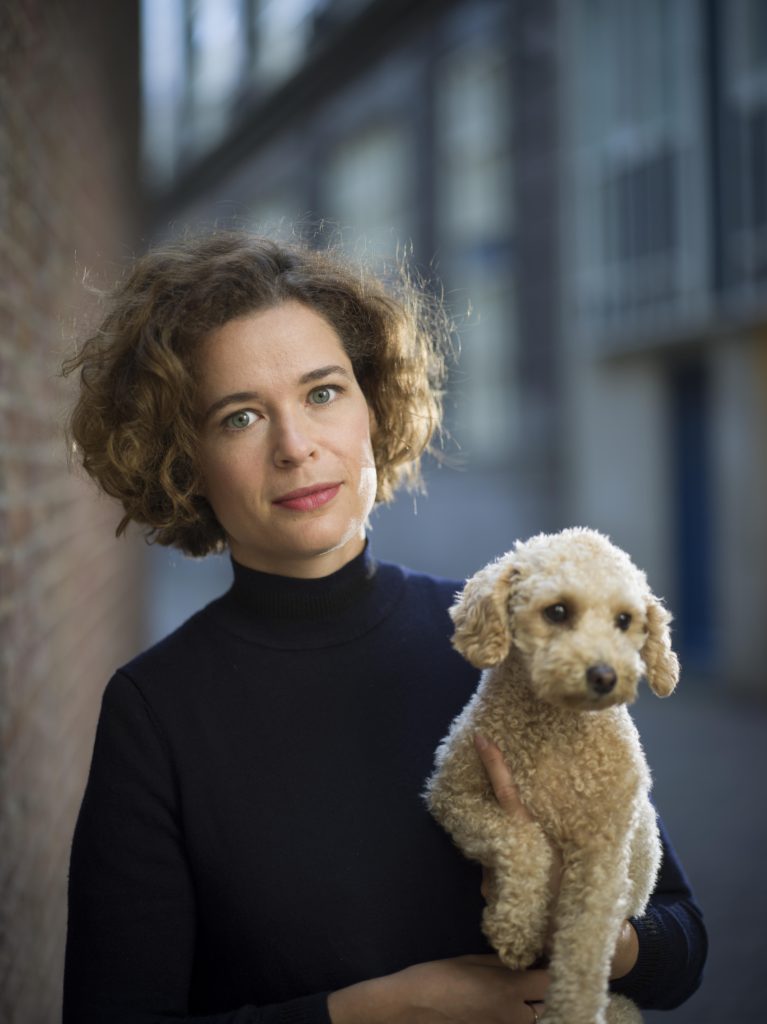
In 2021, Marsman was appointed as the Dichter des Vaderlands, a prestigious position that serves as a poetic voice for the nation. During her tenure, which lasted until 2023, she utilized her position to bring poetry into the public discourse, often engaging with the societal challenges facing the Netherlands. Her selection was widely praised as a recognition of her commitment to social themes and her capacity to articulate the anxieties of her generation.
Her work during this period reflected a dedication to the craft of poetry as a tool for public communication. Whether addressing political shifts or the quiet struggles of daily life, she maintained a level of integrity that defined her professional life. Her contributions to the literary community extend far beyond her published books, as she was a vocal advocate for the role of the poet in modern society.
Remembering a Resilient Spirit
The news of her passing has prompted an outpouring of tributes from across the cultural spectrum. Friends, colleagues, and readers have taken to social media and public forums to express their grief and to celebrate the impact of her life’s work. As confirmed by reports from public broadcasting services, her death is a profound loss for the arts.
While the literary world mourns, there is a collective sense of gratitude for the body of work she leaves behind. For those who wish to revisit her contributions, her collections remain available in libraries and bookstores, continuing to offer readers the same clarity and insight that defined her during her lifetime. Her legacy is one of courage—both in the face of the illnesses she lived with and in the bravery required to put one’s most vulnerable thoughts into verse.
Looking Forward
In times of such sudden loss, the focus naturally turns toward honoring the memory of the departed. While no public memorial details have been finalized at this moment, the literary community is expected to hold various tributes in the coming weeks. For those interested in following official updates regarding her memorial or legacy projects, local literary foundations and publishers remain the most reliable sources for verified information.
We invite our readers to share their reflections on how Lieke Marsman’s poetry or prose has influenced them. In the comments section below, please feel free to share your thoughts as we remember a voice that was taken from us far too soon.
Related reading