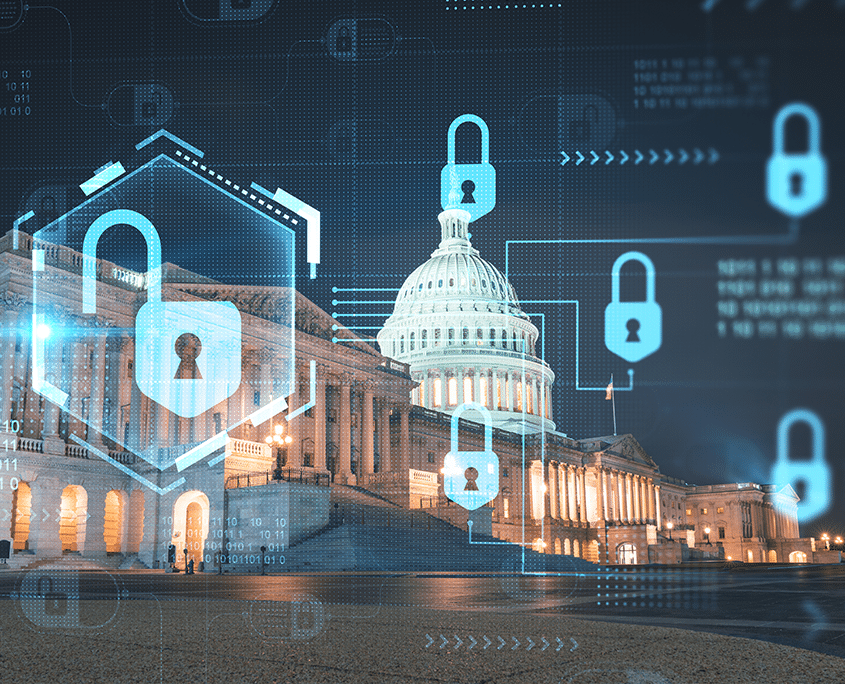
Cybersecurity officials and industry leaders are calling for enhanced collaboration between governments and private enterprises to safeguard critical infrastructure against evolving digital threats. As nations accelerate the deployment of advanced cybersecurity tools and frameworks, experts emphasize that isolated efforts will be insufficient to counter increasingly sophisticated attacks targeting energy grids, communication networks and financial systems.
The push for joint defence comes amid growing recognition that modern infrastructure operates as an interconnected ecosystem, where vulnerabilities in one sector can trigger cascading failures across others. Recent assessments by national cyber agencies highlight the need for real-time information sharing, standardized protocols, and coordinated incident response mechanisms to build resilience against both state-sponsored actors and criminal enterprises.
Central to these discussions is the role of the Cybersecurity and Infrastructure Security Agency (CISA), which serves as the United States’ primary federal entity responsible for protecting critical infrastructure from cyber and physical threats. According to its official overview, CISA was established in 2018 through the Cybersecurity and Infrastructure Security Agency Act and operates under the Department of Homeland Security, with a mandate to strengthen the security and resilience of the nation’s infrastructure.
CISA’s responsibilities include coordinating cybersecurity efforts across federal, state, local, tribal, and territorial governments, as well as engaging with private sector owners and operators of critical infrastructure. The agency provides guidance, conducts vulnerability assessments, and issues alerts and advisories through programs like the Automated Indicator Sharing (AIS) initiative, which enables the exchange of cyber threat indicators between government and industry participants.
In recent years, CISA has expanded its focus to include emerging risks such as those associated with 5G network deployment, election security, and electromagnetic pulse (EMP) resilience. The agency also leads the National Risk Management Center, which functions as a hub for analyzing and mitigating national-level risks to critical infrastructure through public-private collaboration.
Industry stakeholders stress that effective defence requires more than just technological solutions; it demands aligned policies, joint training exercises, and investment in workforce development. Leaders from sectors including energy, telecommunications, and finance have advocated for the creation of formal public-private partnerships that enable pre-emptive threat hunting and shared situational awareness during cyber incidents.
One area of particular concern is the security of operational technology (OT) systems, which control physical processes in industries such as manufacturing, utilities, and transportation. Unlike traditional IT systems, OT environments often rely on legacy equipment that was not designed with cybersecurity in mind, making them attractive targets for attackers seeking to cause physical disruption.
To address these challenges, CISA has developed sector-specific risk management frameworks and offers free cyber hygiene services, including vulnerability scanning and penetration testing, to eligible critical infrastructure organizations. These services are part of a broader strategy to reduce systemic risk by raising the baseline security posture across diverse industries.
Internationally, similar models of cooperation are being explored. For example, the European Union Agency for Cybersecurity (ENISA) supports coordination among member states and promotes collaboration between public authorities and private entities through initiatives like the EU Cybersecurity Act and the Network and Information Systems (NIS) Directive.
Experts note that whereas technical standards and shared threat intelligence are vital, trust between governments and businesses remains a foundational element. Concerns over data privacy, regulatory liability, and intellectual property protection can hinder information sharing, underscoring the need for clear legal frameworks that encourage transparency without compromising security.
Looking ahead, officials point to upcoming exercises and policy reviews as key opportunities to strengthen coordination. CISA regularly conducts National Cyber Exercise (NCYC) events, which simulate large-scale cyber incidents to test response capabilities across government and industry participants. The next scheduled exercise is expected to be announced in the coming months, with details to be published on CISA’s official website.
As digital transformation accelerates and cyber threats grow in complexity, the imperative for unified action has never been clearer. By combining governmental authority with private sector agility and innovation, stakeholders aim to build a more resilient infrastructure capable of withstanding the challenges of an increasingly interconnected world.
For ongoing updates on cybersecurity initiatives and infrastructure protection efforts, readers are encouraged to consult official resources from CISA and related national agencies. Share your thoughts on how governments and businesses can better collaborate to defend critical systems in the comments below.