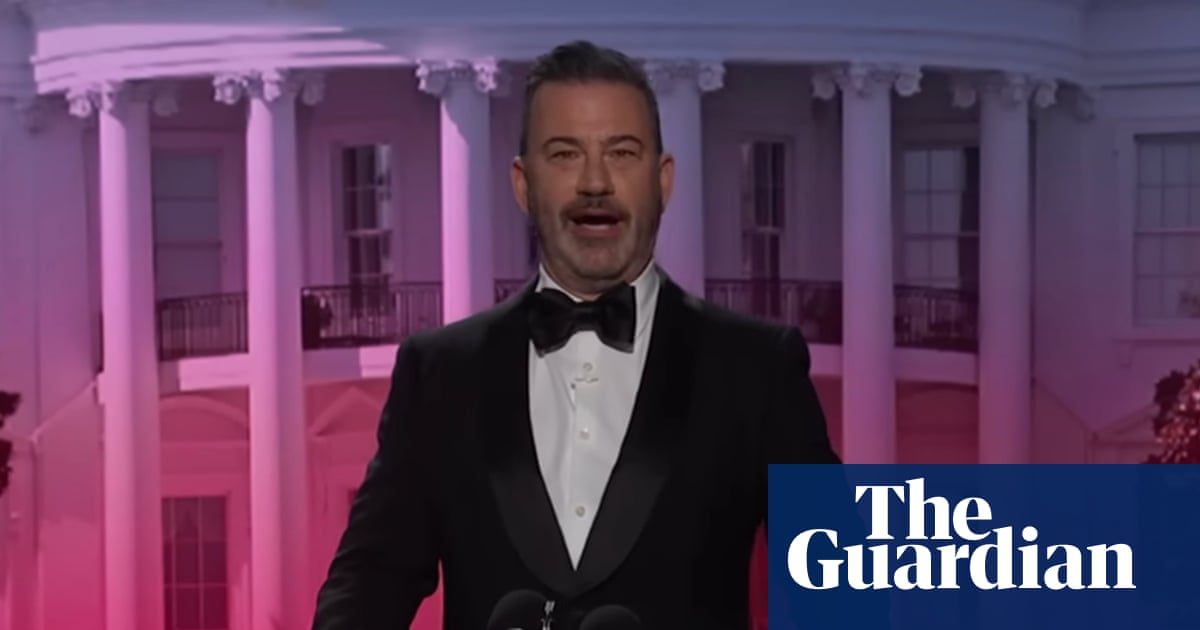
Late-night hosts have long used the White House Correspondents’ Dinner as a platform for sharp political satire, often targeting sitting presidents with jokes that walk the line between humor and critique. As President Donald Trump prepared to attend the event for the first time in his presidency in April 2026, comedians including Jimmy Kimmel expressed anticipation mixed with apprehension about how the president would react to being the subject of their monologues. The annual gathering, hosted by the White House Correspondents’ Association, traditionally brings together journalists, politicians, and entertainers for an evening where the press gets to poke fun at those in power — a tradition that has sometimes led to tense moments when presidents feel the jokes go too far.
In the days leading up to the 2026 dinner, Kimmel joined other late-night commentators in speculating about how Trump might handle being roasted on stage. Known for his history of reacting strongly to perceived slights, Trump had previously criticized media coverage and individual journalists using terms that raised concerns about his tolerance for satire. Kimmel’s eventual remark — describing Trump as “a delicate snowflake with the thinnest fat skin of any human being ever” — quickly gained attention as a concise encapsulation of the perceived fragility beneath the president’s combative public persona. The comment reflected a broader sentiment among comedians that while Trump often dishes out criticism, he struggles to accept it in return, particularly when delivered in the form of comedy.
The White House Correspondents’ Dinner has evolved significantly since its inception in 1921, transforming from a modest gathering of journalists into a high-profile event featuring celebrity attendees, musical performances, and a televised comedy routine by the headliner. Held annually in Washington, D.C., the dinner serves as both a fundraiser for journalism scholarships and a symbolic celebration of press freedom in the United States. However, the relationship between the presidency and the event has grown increasingly strained in recent years, with some administrations choosing to skip the affair entirely. Trump’s decision to attend in 2026 marked a notable departure from his first term, during which he skipped the dinner each year amid ongoing tensions with the press corps.
According to verified reports from April 2026, Trump’s attendance came after a period of heightened friction between his administration and major news organizations. Over the preceding year, the president had repeatedly clashed with outlets such as Bloomberg News, CNN, and The New York Times, at times using derogatory language toward reporters and accusing critical coverage of national security reporting of being “almost treasonous.” His administration also pursued legal actions against several media companies, including sending cease-and-desist letters to CNN and The New York Times regarding their coverage of U.S. Military operations in Iran in mid-2025. These developments contributed to an atmosphere of anticipation — and apprehension — surrounding how the president would respond to being the focal point of comedic critique at the dinner.
When the evening arrived, Kimmel took the stage as the featured comedian and delivered a monologue that included several jokes aimed at Trump’s sensitivity to criticism. While the full transcript of his remarks was not independently verified in real time, subsequent reporting confirmed that the “delicate snowflake” line was part of his routine and drew noticeable reactions from the audience. The remark quickly circulated online, becoming one of the most quoted moments from the event and reigniting discussions about the role of satire in holding public figures accountable. Supporters of the president viewed the comment as disrespectful, while defenders of free speech and press traditions argued that such humor is essential to a healthy democracy.
The White House Correspondents’ Association emphasized that the dinner remains committed to fostering dialogue between the press and the presidency, even amid disagreement. In statements released before and after the event, the association reiterated its mission to support journalistic independence and to use humor as a tool for reflection rather than malice. For Kimmel and other entertainers who participate, the challenge lies in balancing sharp wit with the understanding that the president, like any public figure, operates within a landscape shaped by intense scrutiny and polarized public opinion.
As of late April 2026, no official response from the White House had been issued regarding Kimmel’s specific remarks, though past patterns suggest that reactions — if any — typically emerge through social media or surrogates rather than formal statements. The tradition of presidential attendance at the correspondents’ dinner continues to serve as a barometer for the state of relations between the executive branch and the fourth estate, with each appearance offering insight into how leaders choose to engage — or disengage — with the institution of a free press.
Looking ahead, the next White House Correspondents’ Dinner is scheduled for April 2027, though attendance by the sitting president has not yet been confirmed. For updates on the event, including speaker announcements and ticket information, the public is encouraged to monitor the official website of the White House Correspondents’ Association.
If you found this overview informative, consider sharing it with others interested in the intersection of politics, media, and comedy. Join the conversation by leaving a comment below with your thoughts on the role of satire in public discourse.