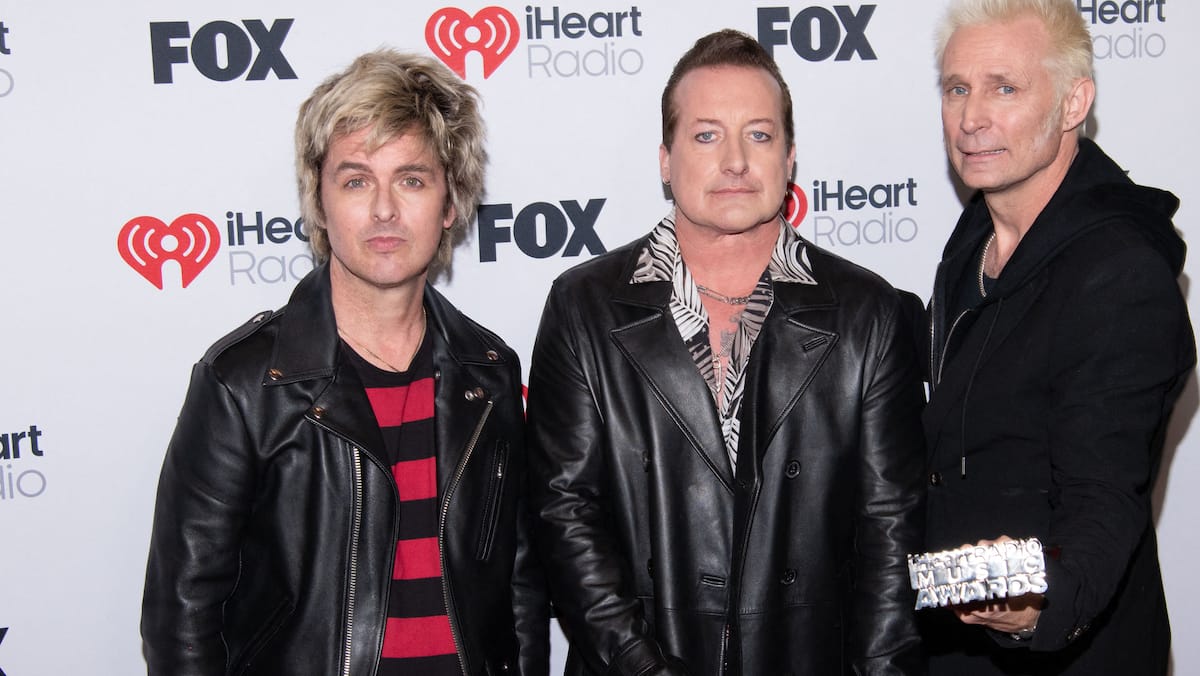
Green Day Protests Immigration Policies at Concert,Continues Musician Activism
Green Day,the American punk rock band,has joined a growing number of artists using their platform to protest U.S. immigration policies and criticize current political figures. During a concert at the Kia Forum in Inglewood, California, on January 17, 2026, lead singer Billie joe Armstrong altered the lyrics of the band’s song “American Idiot” to protest the “MAGA agenda,” referencing the slogan “Make america Great Again” associated with former President Donald Trump. This act of protest follows similar statements made by Bruce Springsteen and billie Eilish regarding immigration and political issues.
Background: Green Day’s History of political Activism
Green Day has a long history of political engagement, often incorporating anti-establishment and anti-war themes into their music and performances. The band’s 2004 album, American Idiot, was a direct response to the political climate following the September 11th attacks and the Iraq War. Armstrong has consistently used the band’s platform to voice his political opinions, making lyrical changes during live performances to reflect current events. Rolling Stone provides a detailed overview of the band’s political history.
The Protest at the Kia Forum
During the January 17th concert, Armstrong changed the lyrics of “American Idiot” from “I’m not part of a redneck agenda” to “I’m not part of a MAGA agenda.” Before performing “Holiday” and “Know Your Enemy,” Armstrong specifically criticized Stephen Miller, a senior advisor to former President Trump who was a key architect of the administration’s immigration policies. He framed the songs as “antifascist” and “against the war,” dedicating them to “brothers and sisters” in Minnesota, likely referencing ongoing concerns about immigration enforcement in the state.
Stephen Miller and U.S. Immigration Policy
Stephen Miller played a central role in shaping the restrictive immigration policies of the Trump administration. As a senior advisor, he advocated for stricter border control, reduced legal immigration, and increased enforcement efforts. His policies included the implementation of the “zero tolerance” policy at the U.S.-Mexico border, which led to the separation of families. The New york Times has extensively covered Miller’s role in shaping immigration policy.
The Role of ICE
A key component of the Trump administration’s immigration strategy involved the increased use of Immigration and Customs Enforcement (ICE) agents. ICE is a federal agency responsible for enforcing immigration laws within the United States. under Miller’s influence, ICE significantly expanded its operations, leading to a surge in deportations and increased scrutiny of immigrant communities. The official ICE website provides details about the agency’s mission and activities.
Musician Activism and the Super Bowl
Green Day’s protest is part of a broader trend of musicians using their platforms to advocate for social and political causes. Bruce Springsteen recently criticized Donald Trump during his concerts, and Billie Eilish has spoken out against ICE and the Trump administration’s immigration policies. Billboard reported on Eilish’s recent statements.
Despite the political statements,Green Day is scheduled to perform at the pre-game ceremonies of Super Bowl LXI on February 8,2026,in Santa Clara,California. This performance will place the band’s message before a massive national audience.
Key Takeaways
- Green Day has a long history of political activism.
- Billie Joe Armstrong protested U.S. immigration policies and criticized Stephen Miller during a recent concert.
- Stephen Miller was a key architect of the trump administration’s restrictive immigration policies.
- Musician activism on political and social issues is increasing.
- Green Day is scheduled to perform at the Super Bowl LXI pre-game ceremonies.
The band’s continued willingness to use their platform for political expression highlights the growing role of artists in shaping public discourse and advocating for change. As the 2026 election cycle progresses, it is likely that more musicians will continue to use their voices to address issues they deem vital.
- Shanghai Arknights Fans Converge for Summer Anime Gaming Expo at National Exhibition Center
- Shannon Beador Claps Back After RHOC Producer’s Shocking Claim
- Andy Burnham sees modest polling bounce but inherits record-low support (time.news)
- Minnesota Twins vs Seattle Mariners Highlights Best Plays and Moments (newsdirectory3.com)