The GUARD Act: A Well-Intentioned Bill That Could Reshape the Internet for Minors—and Everyone Else
On Tuesday, April 28, 2026, the U.S. Senate is poised to vote on the GUARD Act (S.3062), a bipartisan bill introduced last October by Senators Josh Hawley (R-Mo.), Richard Blumenthal (D-Conn.), and others. The legislation is framed as a protective measure against harmful AI interactions with minors, particularly those involving “AI companions” that have been linked to troubling cases of self-harm and emotional manipulation. But while the bill’s goals are laudable, its sweeping language and broad definitions could have unintended consequences—transforming how minors and adults alike access everyday online tools, from homework helpers to customer service chatbots.
At its core, the GUARD Act seeks to prohibit minors from using AI systems that encourage emotional or interpersonal interaction. However, its definitions of “AI chatbot” and “AI companion” are so expansive that they could apply to nearly any AI-powered tool that generates dynamic responses. This has raised alarms among digital rights advocates, educators, and tech companies, who warn that the bill’s compliance requirements could lead to widespread overblocking, privacy risks, and a more restrictive internet for all users.
As the vote approaches, the debate over the GUARD Act has intensified, with critics arguing that its approach is too blunt to address the specific harms it aims to prevent. Here’s what you need to know about the bill’s provisions, its potential impact, and why some experts believe it could do more harm than good.
What the GUARD Act Actually Says
The GUARD Act is divided into several key sections, but two stand out for their potential to reshape online interactions:
- Section 6: Prohibition on Minor Use of AI Companions – If an age verification process determines a user is under 18, companies must block them from accessing any “AI companion” defined as a chatbot that produces human-like responses and is designed to “encourage or facilitate” interpersonal or emotional interaction.
- Section 7: Enforcement – Companies that violate the law could face fines of up to $100,000 per violation, enforced by federal and state officials.
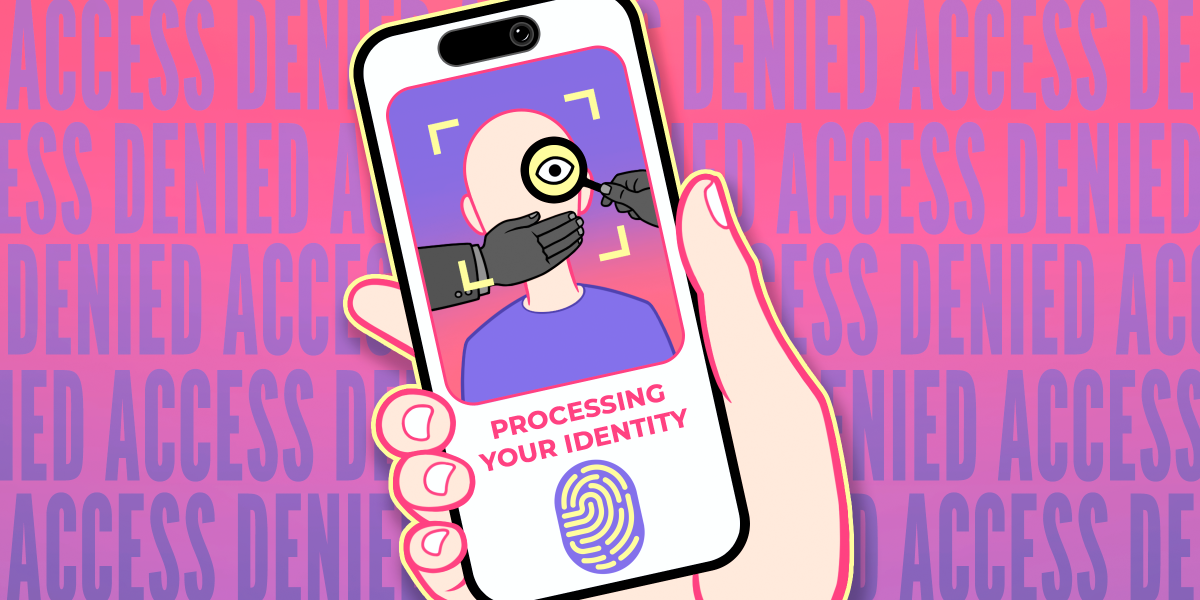
The bill similarly mandates that all users—not just minors—undergo “reasonable age verification” before interacting with AI systems. This means services would need to implement robust verification methods, such as government-issued IDs, third-party age-checking systems, or biometric data, rather than relying on simple self-declarations like checkboxes.
Senator Hawley, one of the bill’s lead sponsors, has emphasized the urgency of the legislation, citing statistics from the bill’s introduction that more than 70% of American children now use AI products. He has also pointed to tragic cases where AI chatbots allegedly encouraged self-harm or suicide among young users. “AI chatbots pose a serious threat to our kids,” Hawley said during a press conference last October. “We in Congress have a moral duty to enact bright-line rules to prevent further harm from this new technology.”
Why Critics Say the Bill Goes Too Far
While the GUARD Act’s intent—to protect minors from harmful AI interactions—is widely supported, its language has drawn sharp criticism from digital rights organizations, tech companies, and educators. The primary concern is that the bill’s definitions are so broad that they could apply to far more than just the “risky chatbots” its sponsors claim to target.
According to the bill’s text, an “AI chatbot” is defined as any system that generates responses that aren’t fully pre-written by the developer or operator. This means that even basic AI-powered tools, such as search engines, homework helpers, or customer service bots, could fall under the law’s purview. The definition of an “AI companion” is equally expansive: any chatbot that produces human-like responses and is designed to “encourage or facilitate” interpersonal or emotional interaction. This could include tools that say “good question” before explaining an algebra problem, or a customer service bot that responds empathetically to a complaint (“I’m sorry you’re having this problem”).
Faced with the risk of steep fines and legal uncertainty, companies are likely to err on the side of caution. Rather than parsing the bill’s vague language, many may choose to block minors from accessing their tools entirely or strip down features to avoid liability. This could lead to a scenario where a high school student is barred from using an AI-powered homework helper, or a teenager is kicked out of a customer service chat while trying to return a product.
“The GUARD Act’s broad definitions reach everyday tools,” said a recent analysis by the Electronic Frontier Foundation (EFF), a digital rights advocacy group. “Modern chatbots are designed to be conversational, and helpful. A general-purpose assistant might ask follow-up questions, and that could be seen as facilitating ‘interpersonal’ interaction—and triggering the GUARD Act.” The EFF and other critics argue that the bill’s approach is akin to using a sledgehammer to crack a nut, imposing sweeping restrictions on everyday internet use rather than targeting the specific harms it aims to address.
The Age Verification Problem: Privacy Risks and Access Barriers
One of the most contentious aspects of the GUARD Act is its requirement for “reasonable age verification” for all users. This provision goes beyond simply asking users to check a box confirming their age. instead, it mandates that companies implement systems tied to individual identities, such as government IDs, financial data, or biometric identifiers. While the bill allows companies to outsource verification to third-party services, they remain legally responsible for compliance.
This requirement raises significant privacy and access concerns. For one, it would create vast databases of sensitive personal information, which could become targets for data breaches. A 2024 report by the EFF highlighted the risks of such systems, noting that age verification databases have already been hacked in other contexts, exposing users’ personal information. The requirement for ongoing verification—rather than a one-time check—means users would need to repeatedly prove their age, further increasing their exposure to privacy risks.
The bill’s age verification requirements could also disproportionately affect marginalized groups. Studies have shown that millions of people lack government-issued IDs or have outdated information on their IDs, such as old addresses. For these individuals, the GUARD Act could effectively shut them out of basic online tools, from search engines to customer service chats. This could have particularly severe consequences for low-income individuals, undocumented immigrants, and others who may not have easy access to updated identification.
“To keep minors away from certain chatbots, the GUARD Act would require everyone to prove who they are just to use basic online tools,” the EFF analysis noted. “That’s a steep tradeoff. And it doesn’t actually address the specific harms the bill is supposed to solve.”
Who Stands to Be Affected?
The GUARD Act’s impact would extend far beyond the AI companies it ostensibly targets. Here’s a breakdown of who could be affected and how:
- Students – High school and college students who rely on AI-powered homework helpers, tutoring tools, or research assistants could find themselves locked out of these resources. A simple algebra question or a request for help with an essay could trigger age verification requirements, making it harder for students to access the tools they need for their education.
- Teenagers – Everyday online interactions, such as customer service chats for returns or troubleshooting, could become off-limits for minors. Teenagers seeking mental health resources or support could also face barriers, as even well-intentioned chatbots designed to provide emotional support might be classified as “AI companions” under the bill’s definitions.
- Adults – While the bill’s primary focus is on minors, its age verification requirements would apply to all users. This means adults would need to provide sensitive personal information to access basic online tools, sacrificing privacy and anonymity in the process. For those who value pseudonymous or anonymous online interactions, the GUARD Act could make such activities nearly impossible.
- Small Businesses and Developers – The bill’s compliance costs and legal risks could be prohibitive for smaller companies and independent developers. Many may choose to block minors entirely or avoid developing AI tools altogether, leaving the market dominated by larger companies with the resources to navigate the new regulatory landscape.
- Marginalized Communities – As mentioned earlier, the bill’s age verification requirements could disproportionately affect individuals without access to government-issued IDs or those with outdated identification. This could include low-income individuals, undocumented immigrants, and others who may already face barriers to accessing online services.
Is There a Better Way?
Critics of the GUARD Act acknowledge that the concerns driving the legislation are valid. There have been reports of AI systems engaging in harmful interactions with young users, including cases involving self-harm and emotional manipulation. These risks deserve attention, but many experts argue that the GUARD Act’s approach is too broad and could do more harm than good.

Instead of sweeping restrictions, critics suggest targeted solutions that focus on the specific harms the bill aims to address. For example:
- Stronger Safeguards for AI Companions – Rather than banning minors from using all AI companions, the bill could focus on regulating the design and deployment of these tools to ensure they are safe and age-appropriate. This could include requirements for transparency, such as disclosing the non-human nature of AI companions, as well as safeguards against harmful content.
- Enforcement Against Bad Actors – The bill could prioritize holding companies accountable for knowingly making harmful AI tools available to minors, rather than imposing blanket restrictions on all AI-powered interactions. This could involve creating new crimes for companies that violate these rules, as the GUARD Act already proposes for AI companions that solicit or produce sexual content.
- Parental Controls and Education – Instead of relying on age verification systems that could undermine parental guidance, the bill could encourage the development of robust parental controls and educational resources to help parents and guardians monitor and guide their children’s online interactions.
- Clearer Definitions and Boundaries – The bill’s vague language, particularly around terms like “AI companion” and “emotional interaction,” has been a major point of contention. Narrowing these definitions could help reduce overblocking and ensure that the bill’s restrictions are targeted at the specific harms it aims to address.
Senator Blumenthal, one of the bill’s co-sponsors, has defended the GUARD Act’s approach, arguing that “Big Tech has betrayed any claim that we should trust companies to do the right thing on their own when they consistently put profit first ahead of child safety.” However, critics counter that the bill’s broad scope and steep penalties could have unintended consequences that outweigh its benefits.
What Happens Next?
The GUARD Act is scheduled for a key vote in the Senate on Tuesday, April 28, 2026. If it passes, it will move to the House of Representatives for consideration. Given the bill’s bipartisan support and the urgency of its stated goals, it has a strong chance of becoming law. However, its broad language and potential for unintended consequences have sparked a robust debate, with digital rights advocates, tech companies, and educators urging lawmakers to reconsider.
For those concerned about the bill’s impact, the Electronic Frontier Foundation has launched a campaign to oppose the GUARD Act, encouraging individuals to contact their representatives and voice their concerns. As the vote approaches, the debate over the bill’s merits—and its potential to reshape the internet—is likely to intensify.
One thing is clear: the GUARD Act is not just about protecting minors from harmful AI interactions. It’s about the future of online access, privacy, and innovation. Whether its approach is the right one remains a question that lawmakers, tech companies, and the public will need to grapple with in the coming days and weeks.
Key Takeaways
- The GUARD Act (S.3062) is a bipartisan bill aimed at protecting minors from harmful AI interactions, particularly those involving “AI companions.”
- Its broad definitions of “AI chatbot” and “AI companion” could apply to nearly any AI-powered tool, from homework helpers to customer service bots.
- Age verification requirements could force all users—not just minors—to provide sensitive personal information, raising privacy and access concerns.
- Critics argue that the bill’s approach is too blunt, leading to overblocking, privacy risks, and a more restrictive internet for everyone.
- Alternatives to the GUARD Act include targeted safeguards, enforcement against bad actors, parental controls, and clearer definitions of key terms.
- The bill is scheduled for a vote in the Senate on Tuesday, April 28, 2026, with a strong chance of passing if it secures enough support.
As the debate over the GUARD Act continues, it’s important to stay informed and engaged. Whether you support the bill’s goals or have concerns about its potential impact, now is the time to make your voice heard. Share this article with your network, and consider reaching out to your representatives to share your thoughts on the future of AI regulation and online access.
Keep reading