
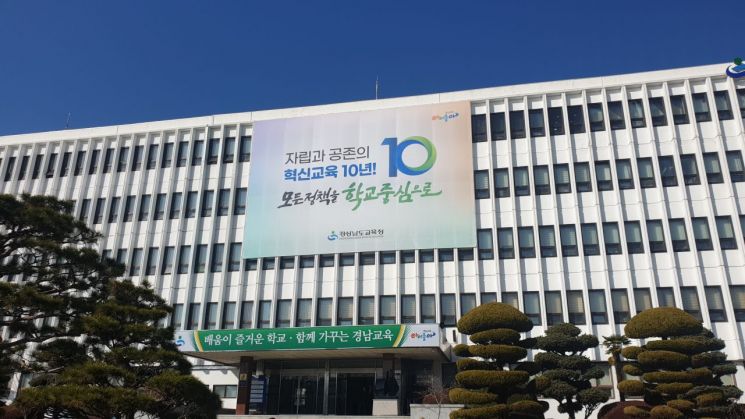
South Korea’s Gyeongnam Education Office Sends Elementary Teachers on U.S.-Canada Study Tour to Modernize Classrooms
In a bid to overhaul its elementary education system, South Korea’s Gyeongnam Provincial Office of Education has dispatched a delegation of 19 teachers and education officials on a nine-day study tour across the United States and Canada. The initiative, which began on April 24 and concludes on May 2, aims to explore cutting-edge digital and AI-driven teaching methods to align with the country’s 2022 revised national curriculum, officials confirmed.
The delegation, composed of elementary school teachers leading student-centered learning reforms in Gyeongsangnam-do province, visited schools, tech companies, and research institutions in San Francisco and Vancouver to observe how North American educators are integrating artificial intelligence, digital tools, and project-based learning into classrooms. Their findings are expected to shape Gyeongnam’s long-term strategy for sustainable, technology-driven education reform.
“Education must evolve proactively to meet the demands of a rapidly changing world,” said Jo Ui-rae, head of the Gyeongnam Office of Education’s Elementary Education Division, in a statement released on April 28. “This international study tour is designed to inspire practical changes in our classrooms, ensuring our students are prepared for the future.”
San Francisco: AI, EdTech, and Project-Based Learning
The first leg of the tour took the delegation to San Francisco, where they visited two key institutions: Oak Grove School District and Christopher Elementary School. Both are recognized for their innovative approaches to personalized learning, which tailors education to individual student needs while fostering collaboration and critical thinking.
At Oak Grove, the South Korean educators observed how the district balances student autonomy with structured learning objectives, particularly in subjects like science, technology, engineering, arts, and mathematics (STEAM). Christopher Elementary, known for its project-based learning model, demonstrated how students engage in hands-on, interdisciplinary projects that develop problem-solving skills and creativity.
The delegation also toured Google’s headquarters, where they explored the company’s latest advancements in AI and educational technology (EdTech). Google’s presentations highlighted tools like Google Classroom and AI-driven platforms that assist teachers in grading, lesson planning, and student engagement. The visit underscored how technology can streamline administrative tasks, allowing educators to focus more on individualized instruction.
Vancouver: Inclusive Learning and Community Partnerships
In Canada, the delegation shifted its focus to inclusive education models and community-based learning. Their itinerary included stops at Abbotsford School District, Sandy Hill Elementary School, the University of British Columbia (UBC), and the Vancouver Public Library.
Abbotsford School District, located in British Columbia, is a leader in digital literacy programs that integrate coding, robotics, and multimedia projects into core subjects. The district’s approach emphasizes equity, ensuring all students—regardless of background or ability—have access to technology and personalized learning opportunities.
Sandy Hill Elementary, another highlight of the tour, showcased its play-based learning philosophy, which combines structured play with academic goals. The school’s flexible classroom designs and outdoor learning spaces were of particular interest to the South Korean educators, who noted the potential for similar adaptations in Gyeongnam’s schools.

At UBC, the delegation attended a lecture by Professor Ho-joong Choi, who oversees the university’s Korean language program. Choi’s presentation on global education trends provided insights into how universities are preparing students for an interconnected world, with a focus on cultural competency and interdisciplinary studies.
The final stop, the Vancouver Public Library, demonstrated how modern libraries serve as community hubs for learning and collaboration. The delegation examined the library’s multifunctional spaces, which support everything from maker workshops to digital literacy programs, and discussed how similar models could be adopted in South Korean schools to foster lifelong learning.
Why This Study Tour Matters for South Korea’s Education System
South Korea’s education system is often praised for its high academic standards, but critics argue it struggles with rigidity, excessive competition, and a lack of creativity. The 2022 national curriculum reform, which the Gyeongnam delegation is tasked with implementing, seeks to address these issues by shifting toward student-centered learning, digital literacy, and holistic development.
The study tour reflects a broader trend in South Korean education: a push to learn from international best practices while adapting them to local contexts. Gyeongnam, a province with a mix of urban and rural schools, faces unique challenges in implementing these reforms, including disparities in access to technology and varying levels of teacher preparedness.
“This isn’t about copying what works abroad,” said a Gyeongnam education official who requested anonymity. “It’s about identifying strategies that align with our goals—like reducing rote memorization and fostering creativity—and tailoring them to our schools’ needs.”
Key Takeaways from the Study Tour
- Personalized Learning: Both U.S. And Canadian schools emphasized tailoring education to individual student needs, a departure from South Korea’s traditionally uniform approach.
- Technology Integration: AI and EdTech tools were used not to replace teachers but to enhance their ability to provide individualized instruction and feedback.
- Project-Based Learning: Hands-on, interdisciplinary projects were a common feature in the schools visited, aimed at developing critical thinking and collaboration skills.
- Inclusive Education: Canadian schools, in particular, demonstrated how technology and flexible learning spaces can support students with diverse needs and backgrounds.
- Community Partnerships: Libraries and universities played active roles in extending learning beyond the classroom, a model that could be replicated in Gyeongnam.
What’s Next for Gyeongnam’s Education Reforms?
Upon their return, the delegation will compile a report detailing their observations and recommendations for Gyeongnam’s schools. The findings are expected to inform a series of pilot programs, set to launch in select elementary schools later this year. These programs will test new teaching methods, classroom designs, and technology integration strategies, with the goal of scaling successful models across the province.
Gyeongnam’s education office has also announced plans to host a series of workshops for teachers, sharing insights from the study tour and providing training on digital tools and student-centered learning techniques. The province aims to have a comprehensive reform plan in place by early 2027, with full implementation targeted for the 2027-2028 academic year.
For now, the focus remains on learning from the experiences of educators in the U.S. And Canada. As Jo Ui-rae noted, “The future of education lies in our ability to adapt, innovate, and put students at the center of the learning process. This study tour is just the beginning.”
Frequently Asked Questions
What is the purpose of the Gyeongnam education study tour?
The study tour aims to explore innovative teaching methods in the U.S. And Canada, particularly those focused on AI, digital tools, and student-centered learning. The goal is to gather insights that can inform Gyeongnam’s education reforms, aligning with South Korea’s 2022 revised national curriculum.
Which institutions did the delegation visit?
The delegation visited schools, tech companies, and research institutions in San Francisco and Vancouver, including Oak Grove School District, Christopher Elementary School, Google’s headquarters, Abbotsford School District, Sandy Hill Elementary School, the University of British Columbia, and the Vancouver Public Library.
How will the findings be used?
The delegation will compile a report with recommendations for Gyeongnam’s schools. Pilot programs based on these findings are expected to launch later this year, with a comprehensive reform plan slated for early 2027.
What are the key differences between South Korean and North American education systems?
South Korea’s system is often characterized by high academic pressure, rote memorization, and uniform instruction. In contrast, the U.S. And Canadian systems visited by the delegation emphasize personalized learning, project-based education, and the integration of technology to foster creativity and critical thinking.
Will these reforms affect all schools in Gyeongnam?
Initially, the reforms will be tested in select elementary schools through pilot programs. Successful models will be scaled across the province, with full implementation targeted for the 2027-2028 academic year.
As Gyeongnam’s educators return from their study tour, the province stands at the forefront of South Korea’s efforts to modernize its education system. The insights gained from this initiative could serve as a model for other regions seeking to balance academic rigor with innovation and creativity.
What are your thoughts on integrating AI and digital tools into classrooms? Share your views in the comments below, and don’t forget to share this article with educators and policymakers who might find it valuable.