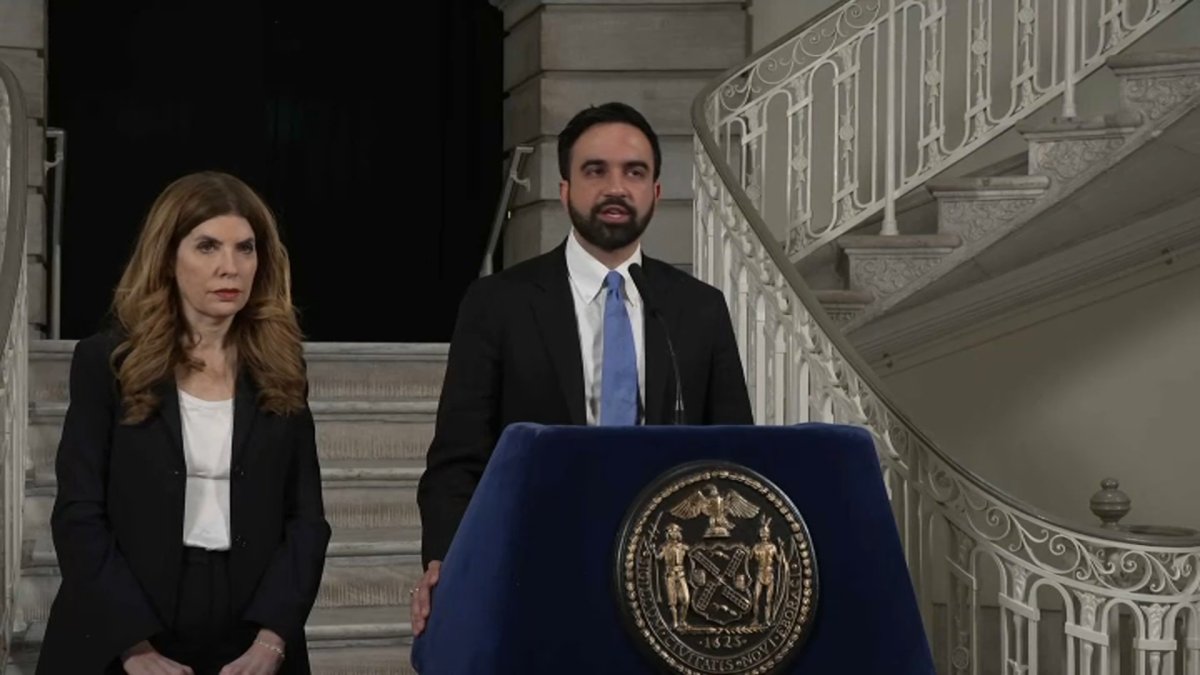
New York City is grappling with a fiscal shortfall that Mayor Zohran Mamdani has described as a “budget crisis of historic magnitude.” In a joint appearance on Tuesday, April 28, 2026, Mayor Mamdani and City Council Speaker Julie Menin outlined a strategic effort to secure critical assistance from the state to bridge a multi-billion dollar gap that threatens the city’s financial stability.
Speaking from the City Hall rotunda, the city’s leadership argued that the current deficit is the largest the city has faced since the Great Recession. Mayor Mamdani attributed the crisis to a combination of chronic under-budgeting and long-term mismanagement by previous administrations, asserting that the city cannot resolve the imbalance through internal savings alone.
The alliance between the mayor and the council speaker signals a unified front in lobbying Albany for a “structural reset” in the relationship between the city and the state. The administration is calling for new revenue streams and a redistribution of state aid to meet the legal requirement of passing a balanced budget without placing an undue financial burden on working-class residents.
The Battle Over the Passthrough Entity Tax (PTET)
A central pillar of the city’s recovery plan involves a proposed rollback of the Passthrough Entity Tax (PTET) credit. Currently, this credit allows businesses to bypass federal limits on state and local tax deductions by paying a city business tax that is returned 100% to the business owners. Mayor Mamdani and Speaker Menin are urging the state to reduce this rebate to 75%.
City officials argue that this adjustment would generate nearly $1 billion in additional revenue according to the administration’s fiscal proposal. Mayor Mamdani characterized the current 100% credit as a “tax cut for the rich,” stating that a reduction would ensure that the wealthiest residents and entities pay their fair share toward the city’s infrastructure and services.
Seeking a Billion Dollars in Operational Savings
Beyond tax adjustments, the Mamdani-Menin agreement focuses on two primary areas of operational relief: the restructuring of Pension Unfunded Liability and the easing of class size mandates. The administration believes that these two actions combined would save the city an additional $1 billion as outlined in Tuesday’s announcement.
To address concerns regarding retiree security, the leadership clarified that no current or future retiree would lose any pension benefits. They noted that these benefits are constitutionally protected by the New York State Constitution, meaning the proposed restructuring would target the city’s liability and payment structures rather than the benefits themselves.
Key Takeaways of the Budget Proposal
- PTET Credit Reduction: Lowering the rebate from 100% to 75% to raise nearly $1 billion.
- Liability & Mandate Relief: Restructuring pension liabilities and class size mandates to save $1 billion.
- State Budget Extension: Support for extending the state’s final budget deadline to June 12 to allow for coordinated action.
- Revenue Correction: Addressing the disparity where the city contributes 55.6% of state revenue but receives only 41.7% back.
A Disparity in State-City Relations
The push for state aid is rooted in what the administration describes as a systemic imbalance in how New York State distributes its wealth. Mayor Mamdani and Speaker Menin pointed to data showing that New York City contributes 55.6% of the state’s total revenue, yet only receives 41.7% in return per the city’s fiscal analysis.
This gap is particularly stark when viewed against the city’s economic growth. Between 2010 and 2024, the city’s economy grew by 110%, nearly double the 68% growth seen in the rest of the state. The administration cited additional financial strains, including $480 million in MTA-related cost shifts that have further depleted the city’s available funds according to city officials.
Political Friction: Mamdani vs. Adams
The current fiscal struggle has sparked a sharp public disagreement between Mayor Mamdani and former Mayor Eric Adams. Mamdani has claimed that his dire fiscal forecast was the result of discovering that the previous administration “poisoned” the budget books by significantly underestimating billions of dollars in recurring expenses.
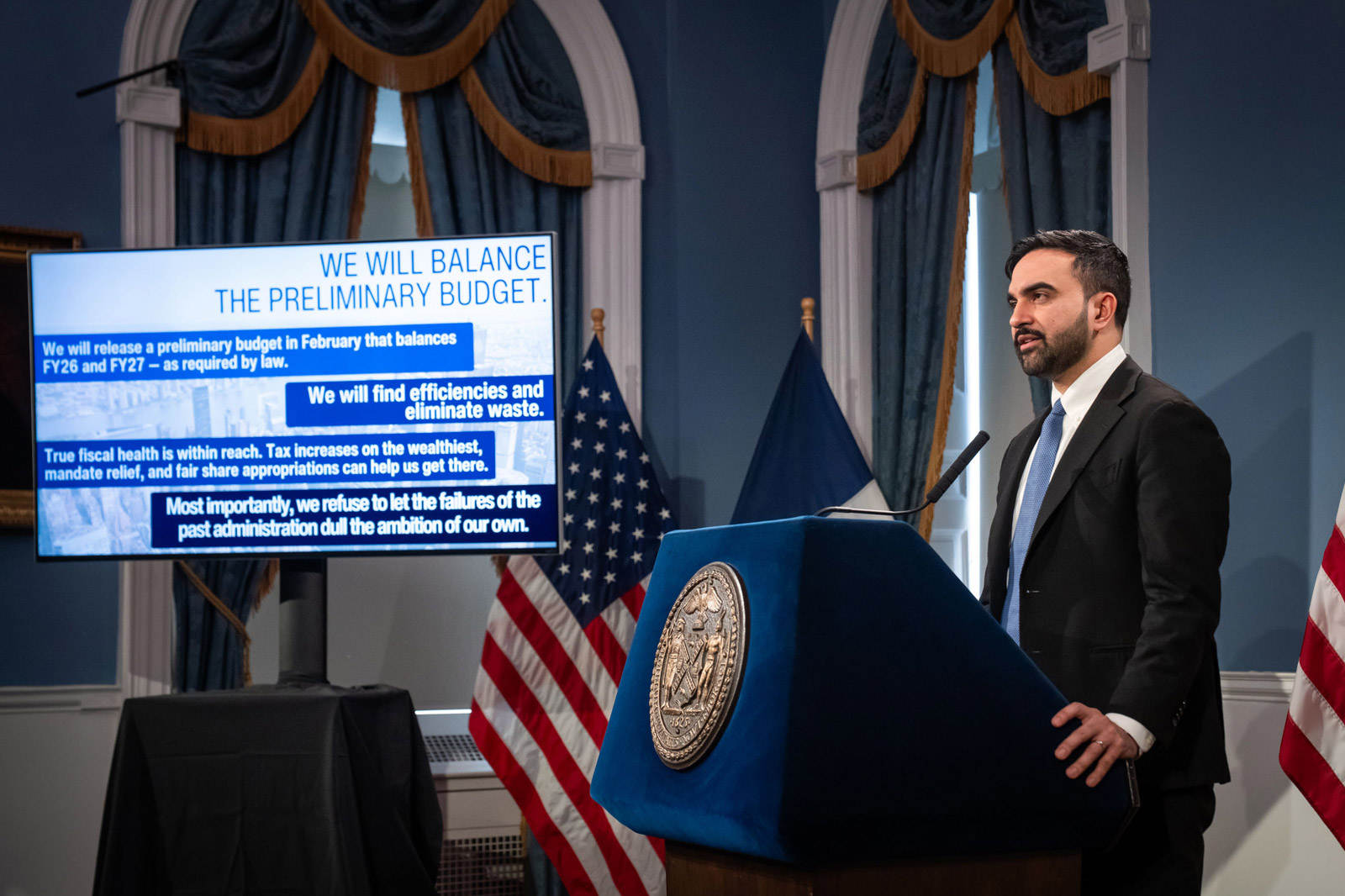
Former Mayor Adams has dismissed these claims, criticizing Mamdani’s socialist political leanings and stating that “free is a lie.” Adams further contended that he left the city in a strong position, claiming he left $8 billion in reserves according to his own statements earlier this year.
Despite the friction, Mayor Mamdani has maintained that he will not allow the failures of the previous administration to “dull the ambitions” of his own. He noted that executing his campaign promises would require billions of dollars in additional funding beyond the $12 billion currently needed to close the existing budget gap.
What Happens Next
The immediate focus now shifts to Albany. Mayor Mamdani has voiced his support for extending the state’s budget deadline from this coming Friday to June 12, arguing that a crisis of this magnitude cannot be solved without direct state action.
The city will continue to lobby state lawmakers to approve the PTET credit reduction and provide the necessary mandate relief to ensure a balanced budget is passed. The next critical checkpoint will be the state’s budget deliberations leading up to the proposed June 12 deadline.
World Today Journal will continue to monitor the negotiations between City Hall and Albany. We invite our readers to share their thoughts on the proposed tax changes in the comments section below.
Worth a look