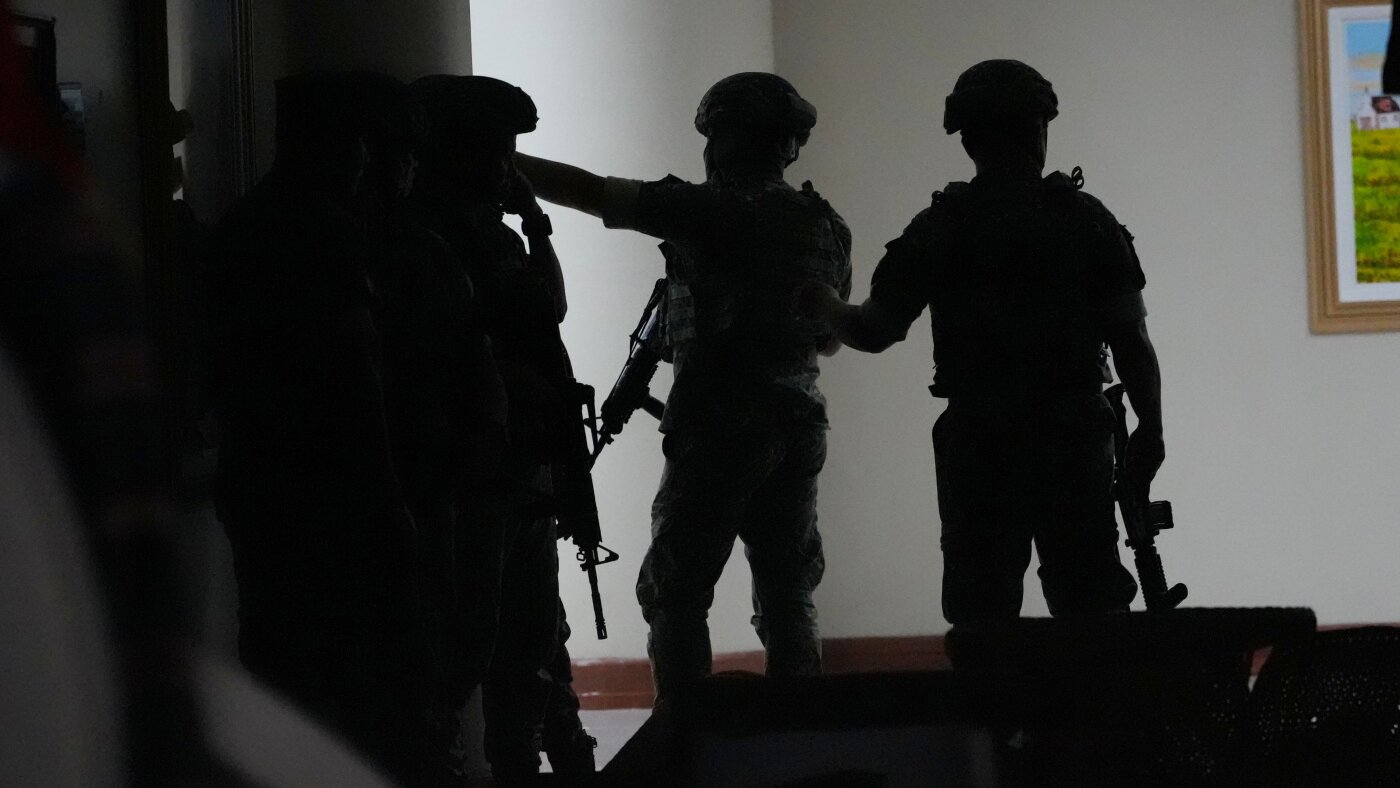
MANILA, Philippines — A tense standoff at the Philippine Senate escalated into gunfire Wednesday night as authorities attempted to arrest Senator Ronald dela Rosa, who faces an International Criminal Court (ICC) warrant for alleged crimes against humanity linked to the controversial anti-drug crackdown under former President Rodrigo Duterte. Witnesses, including journalists from major news organizations, reported hearing gunshots inside the Senate complex, where dela Rosa has been under protective custody by allied senators since Monday, when the ICC unsealed its arrest warrant.
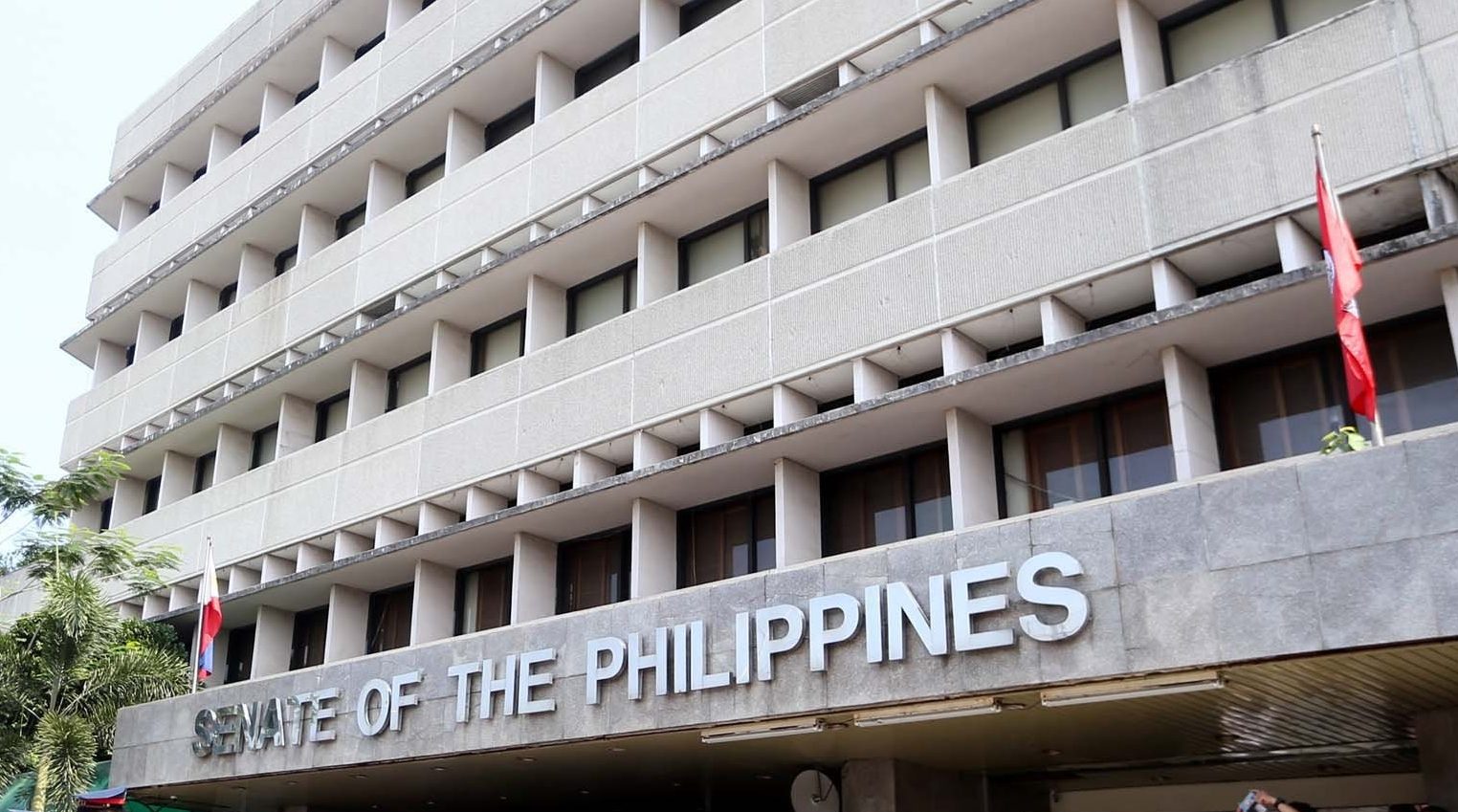
Senate President Alan Cayetano confirmed the gunfire in a brief statement to reporters, describing the atmosphere as “highly emotional” and calling the situation an “alleged attack” on the Senate. “This is the Senate of the Philippines, and we are allegedly under attack,” Cayetano said, before leaving the premises abruptly. The exact circumstances leading to the gunfire remain unclear, with no immediate reports of injuries or casualties. Philippine Interior Secretary Juanito Victor Remulla Jr. Later arrived at the scene with police officers, but tensions persisted as reporters were initially restricted from entering the building.
The arrest attempt comes amid a high-stakes legal and political battle. Dela Rosa, a former national police chief, was instrumental in implementing Duterte’s anti-drug campaign, which resulted in the deaths of thousands of individuals—many of whom were petty criminals or low-level suspects. The ICC’s warrant, issued after a years-long investigation, accuses dela Rosa of crimes against humanity, including extrajudicial killings, and torture. His arrest would mark the first time a sitting Philippine senator is transferred to the ICC, setting a precedent for how the country handles international legal demands.
Who is Ronald dela Rosa, and why is the ICC seeking his arrest?
Ronald dela Rosa, 64, served as the national police chief from 2016 to 2018, a period that coincided with the peak of Duterte’s anti-drug war. During his tenure, he oversaw operations that led to the deaths of an estimated 6,000 to 12,000 people, according to human rights groups and Philippine government reports. The ICC’s investigation, which began in 2018, focused on whether these killings constituted crimes against humanity, particularly given the systematic nature of the operations and the lack of due process for victims.
Dela Rosa has consistently denied wrongdoing, arguing that his actions were lawful and necessary to combat drug trafficking. In a statement released Tuesday, he vowed to “fight the ICC arrest order” and pursue all available legal remedies. His allies in the Senate have pledged to shield him from arrest, invoking parliamentary immunity—a legal protection that has become a flashpoint in the standoff. The Philippine Constitution grants senators immunity from arrest during sessions, though legal experts have debated whether this extends to ICC warrants, which are binding under international law.
What led to the gunfire, and what happens next?
The gunfire erupted as authorities, led by the Philippine National Police (PNP), attempted to serve an arrest warrant on dela Rosa inside the Senate complex. Sources close to the situation described a chaotic scene, with senators and police officers engaged in a tense confrontation. While the exact sequence of events remains under investigation, witnesses described hearing multiple gunshots, followed by a scramble to secure the area. Cayetano’s brief appearance suggested the Senate was treating the incident as an external threat, though it is unclear whether the gunfire originated from police, senators’ security, or an unrelated altercation.
Legal experts say the situation tests the limits of Philippine sovereignty and international law. The ICC has no police force of its own and relies on member states to enforce its arrest warrants. If the Philippines refuses to cooperate, the ICC could refer the matter to the United Nations Security Council, which could impose sanctions or other measures. Meanwhile, dela Rosa’s legal team is expected to file motions challenging the ICC’s jurisdiction, arguing that the case violates Philippine sovereignty.
How are stakeholders reacting?
The incident has sparked reactions from across the political and legal spectrum:
- Senate Allies: Dela Rosa’s supporters, including a coalition of senators, have vowed to block his arrest, framing the ICC warrant as politically motivated. Senate Minority Leader Franklin Drilon called the arrest attempt a “violation of parliamentary immunity.”
- Human Rights Groups: Organizations like Amnesty International and the International Commission of Jurists have condemned the violence and urged the Philippine government to cooperate with the ICC. “The rule of law must prevail, even in the face of political pressure,” said a spokesperson for Amnesty International.
- Government: President Bongbong Marcos has not publicly commented on the standoff, but his administration has historically been cautious about provoking the Senate, where his allies hold a majority. The PNP has stated that the arrest operation was carried out “in accordance with the law,” though details remain scarce.
- International Community: The United States and European Union have called for restraint, emphasizing the importance of upholding international legal obligations. The ICC prosecutor’s office has not issued a statement but is expected to monitor developments closely.
What are the next steps?
The immediate focus is on securing the Senate complex and preventing further escalation. Authorities are likely to conduct a thorough investigation into the gunfire, though details may take days to emerge. Legally, dela Rosa’s team will file motions to challenge the ICC warrant, while the Philippine Supreme Court may weigh in on whether the Senate’s immunity extends to international arrest orders.

The ICC has indicated it will proceed with the case regardless of the outcome in Manila. If dela Rosa is arrested and transferred to The Hague, it would mark a historic moment for international justice in the Philippines. However, if the government refuses to cooperate, the ICC could escalate the matter to the UN Security Council, where China—a close ally of the Philippines—could block further action.
Key Takeaways
- The gunfire at the Philippine Senate reflects a high-stakes confrontation between domestic law and international justice.
- Senator Ronald dela Rosa faces an ICC warrant for alleged crimes against humanity linked to Duterte’s anti-drug war.
- Parliamentary immunity and sovereignty are central legal issues in the standoff.
- The ICC’s next move could involve referring the case to the UN Security Council if the Philippines refuses to cooperate.
- Tensions remain high, with no clear resolution in sight.
The situation in Manila is fluid, and updates will be critical. For the latest developments, monitor official statements from the Philippine Senate, the ICC, and the Philippine National Police. If you have information or witnesses to share, contact us securely via our contact form.
This story is developing. Check back for updates as more details emerge.
Related reading