May 13, 2026 — 14:37 GMT | Jonathan Reed, Editor, News
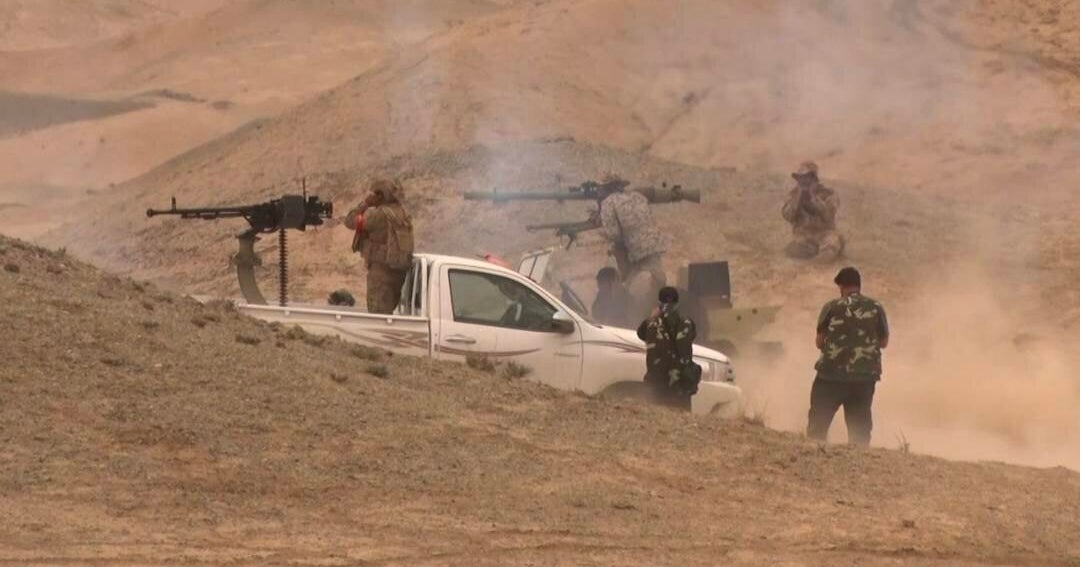
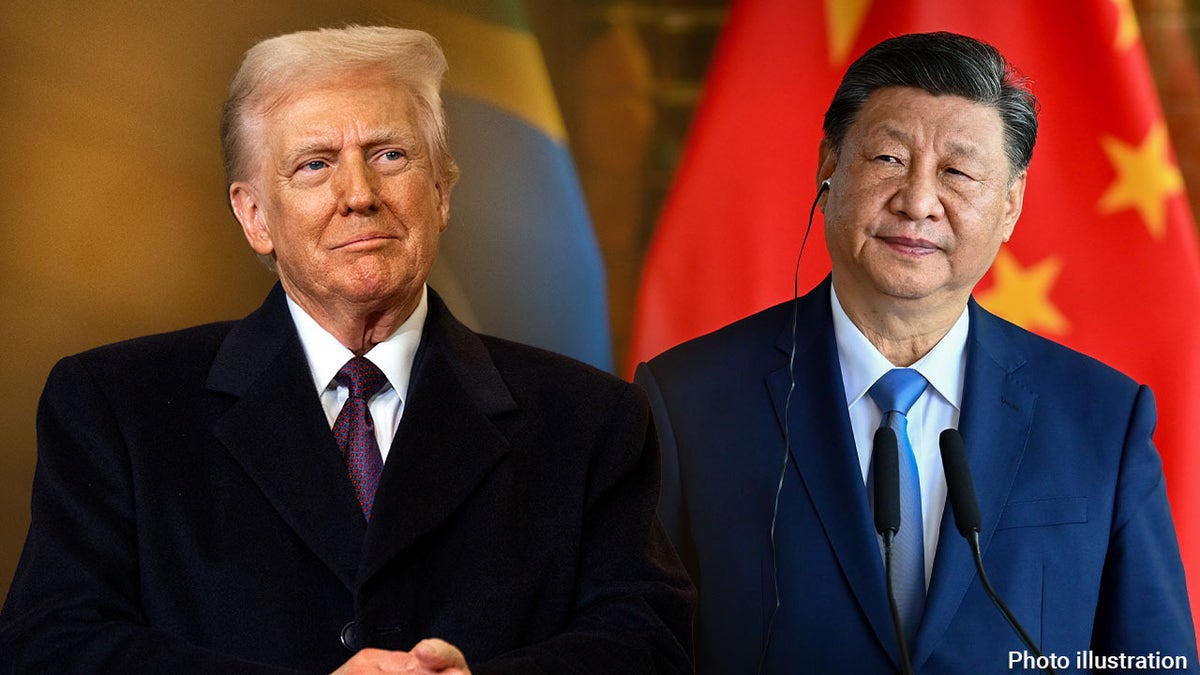
Tehran has issued a direct warning to Washington, declaring its readiness to “repel any aggression” with what it calls a “decisive response” as diplomatic efforts to avert a broader conflict remain stalled. The statement comes amid heightened tensions between Iran and the United States, with Iran’s Supreme Leader Mojtaba Khamenei framing the current standoff as a moral battle that will define “solid and evil” for future generations. Meanwhile, former U.S. President Donald Trump, now leading the American delegation, arrived in Beijing for high-stakes talks with Chinese President Xi Jinping, where Iran’s regional influence and the war’s economic fallout are expected to feature prominently.
In a move that underscores the urgency of the situation, Iran’s government has outlined five “minimum guarantees” it insists must be met before any further negotiations can resume. These demands—centered on ending the conflict, lifting economic blockades, and easing sanctions—have been described by Iranian officials as non-negotiable prerequisites for dialogue. The timing of these conditions coincides with reports that the U.S. Military has been conducting large-scale military exercises in the Persian Gulf, raising concerns in Tehran about potential preemptive strikes.
As the situation unfolds, World Today Journal provides live updates on the latest developments, the implications of Iran’s demands, and how this crisis intersects with global geopolitics. Below, we break down the key elements of the standoff, the stakes for regional stability, and what happens next.
For visual context, see the latest satellite imagery of military movements in the Strait of Hormuz:
Key Developments: Iran’s Stance and the Diplomatic Deadlock
1. Iran’s Five “Non-Negotiable” Conditions for Peace Talks
In a statement attributed to Iran’s Foreign Ministry, Tehran has outlined five core demands that must be addressed before any meaningful dialogue can proceed. While the exact wording of these conditions has not been officially confirmed by the U.S. State Department, Iranian state media IRNA reported them as follows:
- Immediate cessation of hostilities: Iran insists on an unconditional halt to all military operations targeting its territory, proxies, or allies in the region.
- Lifting of economic blockades: The removal of sanctions imposed on Iranian oil exports and financial transactions, which Tehran argues are strangling its economy and civilian population.
- End to U.S. Military presence in the region: A demand that includes the withdrawal of American forces from Iraq, Syria, and the Persian Gulf, framing their presence as a direct threat to Iranian sovereignty.
- Guarantees against future aggression: Iran seeks legally binding assurances that the U.S. Will not launch unilateral strikes or support regime-change operations.
- Compensation for civilian casualties: Demands for reparations for Iranian citizens and regional allies killed or injured in U.S.-led actions, including airstrikes and drone attacks.
These conditions reflect a hardening of Tehran’s position, which analysts describe as a response to what Iranian officials perceive as unilateral U.S. Escalation in recent months. The U.S. Has yet to respond officially, but sources close to the Trump administration have suggested that Washington may be open to limited concessions on sanctions relief, provided Iran demonstrates a willingness to engage in substantive negotiations.
2. Trump’s Arrival in Beijing: Can China Play a Mediator?
As tensions simmer, former President Trump—now leading the U.S. Delegation—has arrived in Beijing for a two-day summit with Chinese President Xi Jinping. While the official agenda includes trade and technology discussions, Iran’s role in the region is expected to dominate private conversations. China, which maintains close economic ties with Iran and has historically opposed unilateral sanctions, could play a pivotal role in brokering a de-escalation.
In a pre-summit briefing, Trump stated that the U.S. Is “open to dialogue” but warned that Iran must “show real commitment to peace.” His remarks come as Beijing has increasingly positioned itself as a neutral arbiter in Middle Eastern conflicts, a role that could gain traction if both sides perceive China as a trusted intermediary.
3. Military Posturing: Drills and Deterrence
In parallel with diplomatic maneuvers, both sides have ramped up military posturing. The U.S. Central Command announced large-scale naval exercises in the Persian Gulf this week, involving carrier strike groups and advanced missile defense systems. Iranian state media has responded by publicizing its own drills, including simulated strikes on “enemy targets” in the Strait of Hormuz.

Military analysts warn that such exercises—while routine—carry significant risk in a region where miscalculation could trigger a broader conflict. The Pentagon has downplayed the likelihood of immediate hostilities, citing “ongoing diplomatic channels.” However, Iranian officials have made clear that any perceived aggression—including cyberattacks or assassinations of nuclear scientists—will be met with a “proportionate and decisive” response.
4. The Human Cost: Civilians Caught in the Crossfire
Beyond the geopolitical brinkmanship, the conflict has exacted a heavy toll on civilians. In Iran, reports indicate that at least 120 civilians have been killed in U.S.-led airstrikes and drone attacks since January, with many more injured. The Iranian government has accused the U.S. Of targeting “civilian infrastructure,” including hospitals and power stations, in violation of international law.
Meanwhile, in Iraq and Syria, where Iranian-backed militias operate, clashes between pro-Iran groups and U.S.-backed forces have displaced thousands, with the United Nations warning of a “looming humanitarian crisis.” The situation has drawn condemnation from human rights organizations, including Amnesty International, which has called for an immediate ceasefire.
5. The Broader Regional Impact
The Iran-U.S. Standoff is sending shockwaves across the Middle East, with neighboring countries caught in the crossfire. In the Gulf, nations like Saudi Arabia and the UAE—historically wary of Iranian influence—have reportedly engaged in backchannel talks to mitigate spillover effects. Meanwhile, Turkey and Qatar have expressed willingness to host peace negotiations, though no formal invitations have been issued.
Economically, the conflict has disrupted global oil markets, with prices rising by nearly 12% in the past month as traders anticipate supply disruptions. The International Monetary Fund has warned that prolonged tensions could trigger a global recession, particularly in energy-dependent economies.
Frequently Asked Questions
Q: What are Iran’s five conditions for peace talks?
A: Iran has outlined five “minimum guarantees,” including an immediate ceasefire, lifting of sanctions, withdrawal of U.S. Forces from the region, guarantees against future aggression, and compensation for civilian casualties. These demands were first reported by Iranian state media IRNA and have not been officially acknowledged by the U.S.
Q: Could China broker a deal between Iran and the U.S.?
A: China has positioned itself as a potential mediator, given its economic ties to Iran and historical role in regional diplomacy. However, any breakthrough would require both sides to demonstrate flexibility, particularly on sanctions relief and military withdrawals. The upcoming Trump-Xi summit in Beijing may provide an opportunity for informal discussions.
Q: Are we on the brink of war?
A: While tensions are at their highest in years, military analysts suggest that both sides are still engaged in diplomatic channels. However, the risk of miscalculation—such as a cyberattack or a localized clash—remains significant. The Pentagon has downplayed the likelihood of immediate hostilities, but the situation remains fluid.
Q: How are civilians affected?
A: Civilians in Iran, Iraq, and Syria are bearing the brunt of the conflict, with reports of airstrikes, displacement, and economic hardship. Human rights groups have documented hundreds of civilian casualties, prompting calls for an immediate ceasefire.
What Happens Next?
The next critical checkpoint will be the outcome of the Trump-Xi summit in Beijing, where Iran is expected to feature prominently in private discussions. Additionally:
- The U.S. State Department is scheduled to hold a press briefing on May 14 to address Iran’s demands.
- Iran’s Foreign Ministry has announced plans to convene an emergency meeting of the Non-Aligned Movement to discuss the crisis.
- The United Nations Security Council is reviewing a draft resolution on the situation, though no vote is expected before May 16.
For real-time updates, follow World Today Journal’s coverage or monitor official statements from:
What we have is a developing story. Share your thoughts in the comments below or follow us for further updates as the situation evolves. For more in-depth analysis on the geopolitical implications, read our feature: “How the Iran-U.S. Conflict Could Reshape the Middle East”.
Related reading
- How Myriad Genetics Used Amazon Bedrock AI to Slash Document Processing From 10 Minutes to 20 Seconds
- Berlin Attack’s Impact on Krefeld CSD & Track Cycling Championships
- The Senate Blue Slip, Explained: The Custom Trump Wants Gone (daybreakwire.com)
- CXMT Becomes China’s Most Valuable Listed Company After 466% Debut Surge (archyworldys.com)