Hidden Threats: How Everyday Chemicals Disrupt Your Gut microbiome & Impact Health
For decades, chemical safety assessments have focused on direct impacts to humans adn target organisms – insects for pesticides, such as. A groundbreaking new study reveals a critical blind spot: the profound and often overlooked influence of common environmental chemicals on the delicate ecosystem within our gut. Researchers at the University of Cambridge have identified 168 human-made chemicals that demonstrably harm beneficial gut bacteria, raising concerns about antibiotic resistance, compromised immunity, and a range of chronic health issues.
The Gut Microbiome: A Foundation of Health Under Threat
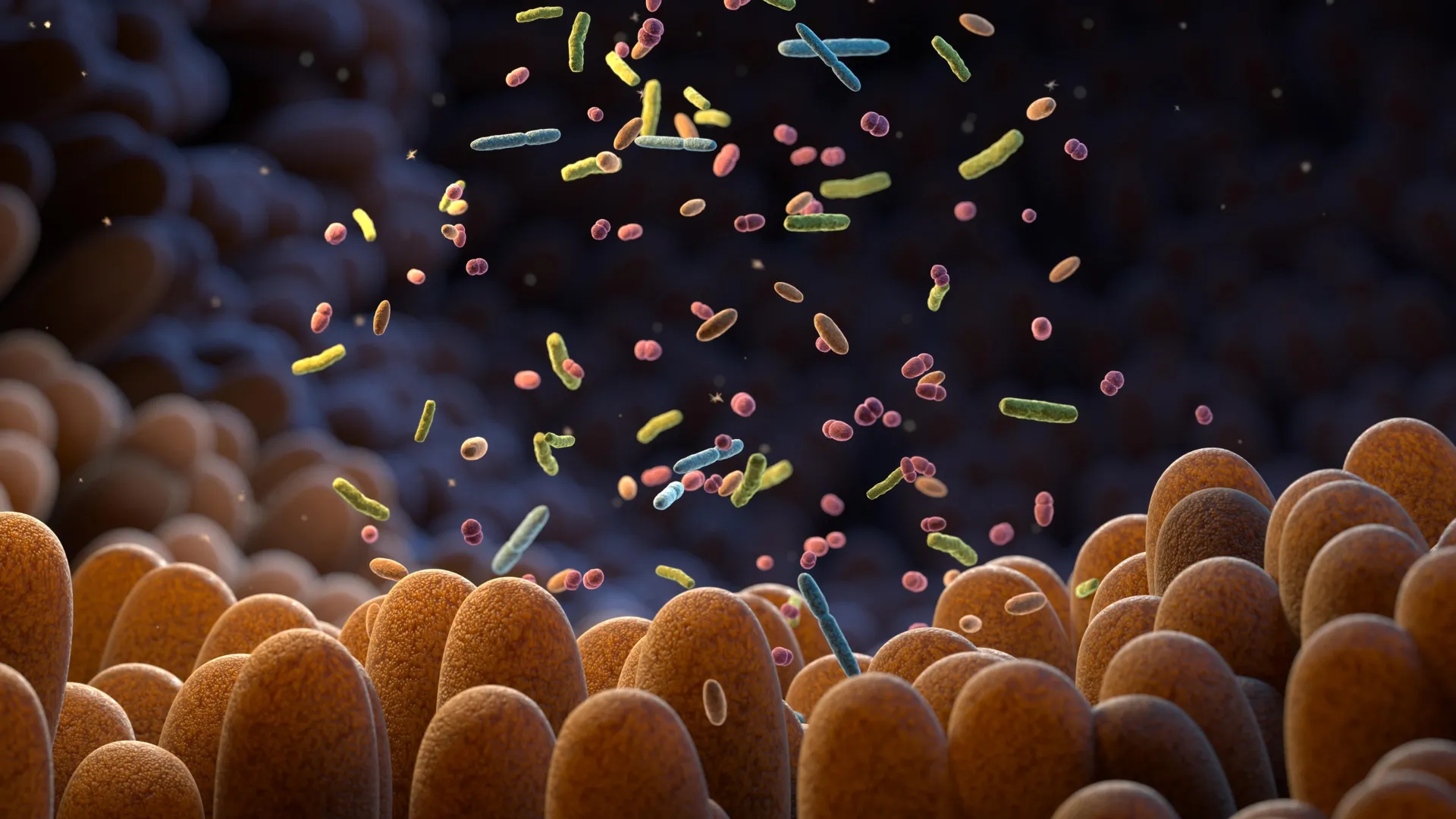
the human gut microbiome,comprised of an estimated 4,500 different bacterial species,is far more than just a digestive aid. It’s a central regulator of overall health, intricately linked to digestion, weight management, immune function, and even mental wellbeing. Maintaining a balanced and diverse microbiome is crucial, and this balance is increasingly threatened by ubiquitous chemical exposure.
This large-scale investigation,published in Nature Microbiology,examined the impact of 1076 chemical contaminants on 22 key gut bacterial species in a controlled laboratory surroundings.The findings are alarming. Manny of the substances tested – including herbicides, insecticides, flame retardants, and plasticizers – disrupted microbial growth, even at levels considered “safe” by current standards.
“we’ve found that many chemicals designed to act only on one type of target, say insects or fungi, also affect gut bacteria,” explains Dr. Indra Roux, first author of the study from the University of Cambridge’s MRC Toxicology Unit. “We were surprised that some of these chemicals had such strong effects. For example, many industrial chemicals… weren’t thought to affect living organisms at all, but they do.”
The Rise of Antibiotic Resistance: A Risky Connection
Perhaps the most concerning finding is the potential for gut bacteria to develop antibiotic resistance in response to chemical exposure. The study observed that certain microbes, when exposed to pollutants, exhibited increased resistance to antibiotics like ciprofloxacin. If this phenomenon translates to the human gut, it could severely limit treatment options for common infections, exacerbating the growing global crisis of antibiotic resistance.
predicting Chemical Risks wiht Machine Learning
The Cambridge team didn’t stop at identification. Leveraging the extensive data collected, they developed a sophisticated machine learning model capable of predicting the potential harm of both existing and newly designed industrial chemicals to human gut bacteria. This innovative tool represents a critically important step towards “safe-by-design” chemical development, proactively minimizing harm before products reach the market.
“The real power of this large-scale study is that we now have the data to predict the effects of new chemicals,” states Professor Kiran Patil, senior author and member of the research unit. “With this, we aim to move to a future where new chemicals are safe by design.”
Beyond the Lab: The Need for Real-World Data
While the laboratory results are compelling, researchers acknowledge the need for further investigation into real-world exposure levels. Determining the actual amounts of these chemicals reaching the human gut is critical to accurately assess the level of risk.
“Now we’ve started discovering these interactions in a laboratory setting it’s vital to start collecting more real-world chemical exposure data, to see if there are similar effects in our bodies,” Patil emphasizes. Dr. Stephan Kamrad adds, “Safety assessments of new chemicals for human use must ensure they are also safe for our gut bacteria, which could be exposed to the chemicals through our food and water.”
Protecting Your Gut Health: Practical Steps You Can Take
While extensive regulatory changes are needed, individuals can take proactive steps to minimize exposure to potentially harmful chemicals:
* Thoroughly wash all fruits and vegetables: Remove surface residues that may contain pesticides and other contaminants.
* Avoid pesticide use in home gardens: Opt for organic gardening practices.
* filter your drinking water: Consider a water filter certified to remove chemical pollutants.
* Choose natural cleaning products: Reduce exposure to harsh chemicals found in conventional cleaners.
* Be mindful of plastic use: Reduce reliance on plastics,especially for food storage,as plasticizers can leach into food.
This research underscores a essential truth: our health is inextricably linked to the health of our microbiome, and the microbiome is vulnerable to the pervasive presence of environmental chemicals. By acknowledging this connection and prioritizing gut health, we can move towards a future where chemical innovation doesn’t come at the expense of our wellbeing.
Worth a look