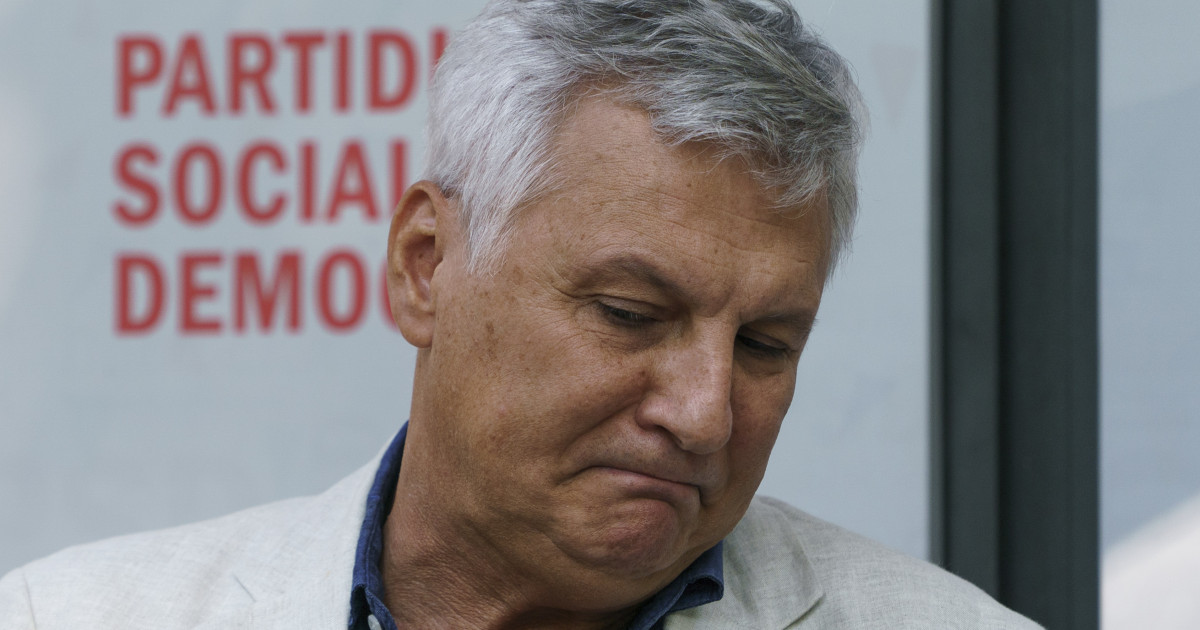
PSD Conditions Support for Eugen Tomac Government on Governing Program Details
The Social Democratic Party (PSD) has announced that its vote regarding the proposed government led by Eugen Tomac will depend entirely on the specific governing program presented by the incoming administration. This conditional stance comes as the political landscape in Romania shifts, with the National Liberal Party (PNL) having already declared it will not support the cabinet, and the Save Romania Union (USR) weighing a decision that party officials describe as critical to its future.
Daniel Zamfir, representing the PSD, indicated that the party is currently observing the strategic moves of other political entities while evaluating the policy commitments of the Tomac-designated team. This approach suggests the PSD is seeking to maintain maximum negotiating leverage by withholding a definitive commitment until the administration’s priorities are codified in a formal document.
The formation of the Tomac government arrives during a period of significant fragmentation among Romania’s major political forces. While the PSD has not ruled out participation, its refusal to offer immediate support distinguishes its strategy from the PNL, which has taken an explicit and public stance against the proposed cabinet. The outcome of these negotiations will likely determine the stability of the next legislative term.
How is the PSD planning to vote on the Tomac government?
The PSD’s current strategy appears to be one of cautious observation. According to statements from Daniel Zamfir, the party’s decision-making process is tied to the substance of the governing program. Rather than committing to a coalition based on political alliances alone, the PSD is signaling that its support is contingent upon specific policy outcomes and administrative goals.
This “wait-and-see” tactic allows the PSD to position itself as a kingmaker in the parliamentary vote. By tying their vote to the governing program, the social democrats can demand specific concessions in areas such as social spending, economic policy, or judicial reform before granting the Tomac government the necessary confidence to govern. This move contrasts sharply with more traditional coalition-building processes where alliances are often established before the policy details are finalized.
Political analysts suggest this strategy is designed to mitigate the risk of entering a government that might not align with the PSD’s core voter base. If the Tomac program emphasizes fiscal austerity or specific judicial changes that conflict with PSD interests, the party has the flexibility to vote against the investiture without appearing to have broken a prior coalition agreement.
Why is the PNL refusing to support Eugen Tomac?
The National Liberal Party (PNL) has moved into a position of clear opposition, stating it will not provide support for the government being prepared by Eugen Tomac. While the specific internal drivers for this refusal have not been fully detailed in a single official manifesto, the party’s stance represents a significant break from previous governing arrangements.
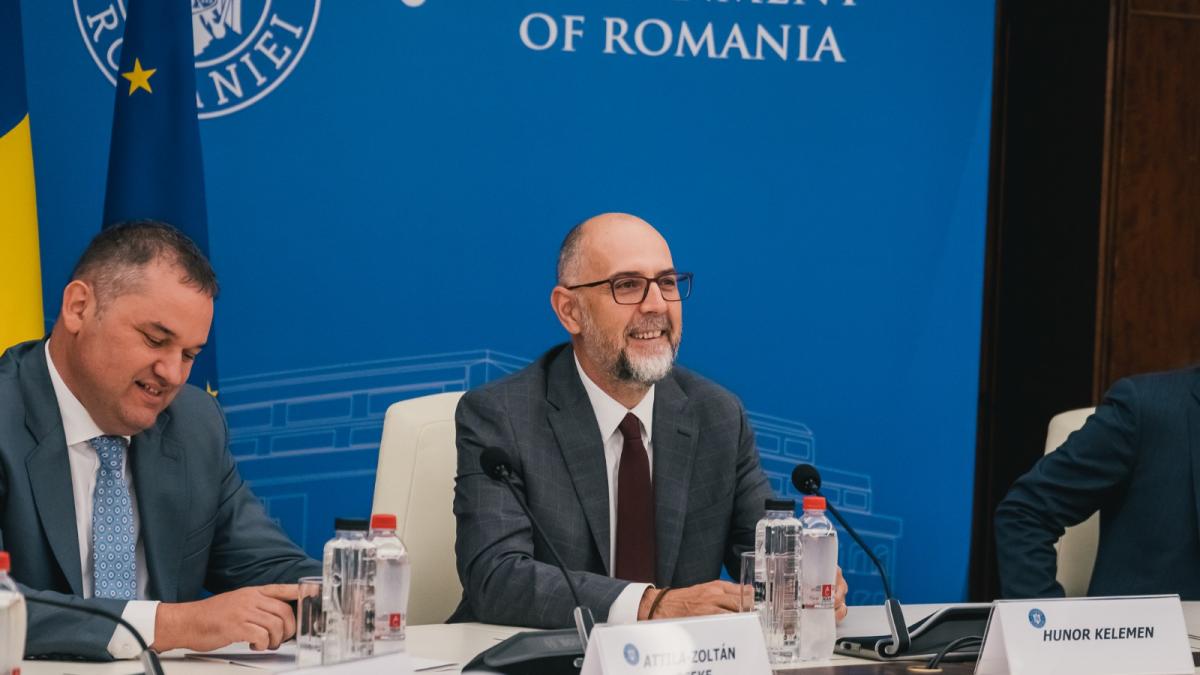
The PNL’s refusal to back the Tomac cabinet has created a vacuum in the center-right political bloc. This decision forces other parties, particularly the USR, to navigate a more complex path toward forming a majority. The PNL’s departure from the potential governing coalition suggests a fundamental disagreement over either the personnel selected for the cabinet or the ideological direction of the proposed administration.
The absence of PNL support means that the Tomac government must look toward the PSD or the USR to secure the parliamentary numbers required for a successful investiture. This reliance on the PSD’s “conditional” support and the USR’s “major” decision places the entire stability of the proposed government on the shoulders of parties that are currently hesitant to commit.
What is the USR’s position on the upcoming investiture?
The Save Romania Union (USR) is currently engaged in internal deliberations regarding its stance on the investiture of the Tomac government. Radu Miruță, a representative for the USR, has characterized the upcoming decision as one that will be “major in the life of the party.”
According to Miruță, the USR is not only evaluating the technical merits of the proposed government but is also taking into account the guidance and “word” of the party president. This indicates that the decision is not merely a tactical parliamentary move but a strategic choice that could define the USR’s identity and its relationship with the broader political establishment for years to come.
The USR faces a dilemma: supporting the government could provide a path to influence policy from within, but it also risks alienating a voter base that often demands strict opposition to traditional political power structures. Conversely, voting against the government could lead to political isolation if the PSD and other forces move forward with a different configuration.
Who are the new faces proposed for the Tomac cabinet?
The proposed cabinet under Eugen Tomac includes several unexpected names, signaling a potential shift toward professional and technocratic appointments in key sectors. One of the most notable figures mentioned is Ionuţ Simion, a professional from the global consulting firm PwC, who has been proposed for a ministerial role.
The inclusion of figures from the private sector, such as Simion, suggests that the Tomac administration may be attempting to project an image of competence and economic expertise. This move is particularly relevant as the government prepares to tackle critical portfolios including Finance, Justice, and Health. The presence of a PwC professional in the lineup is seen by many as an attempt to stabilize economic policy and signal to international markets that the administration will prioritize professional management over purely political appointments.
However, these “surprise” appointments also face scrutiny. Critics often question whether technocratic ministers can effectively navigate the intense political pressures of the Romanian Parliament, especially when the governing coalition itself remains undecided.
Comparison of Political Party Stances
| Political Party | Current Stance on Tomac Government | Primary Motivation/Condition |
|---|---|---|
| PSD | Conditional Support | Dependent on the specific governing program and policy details. |
| PNL | Explicit Opposition | Has clearly announced it will not support the cabinet. |
| USR | Undecided / Deliberating | Evaluating the long-term impact on the party and following leadership guidance. |
Key Implications for the Romanian Government
- Coalition Instability: The lack of a unified front among the major parties increases the likelihood of a prolonged political standoff.
- Policy-Driven Governance: The PSD’s demand for a detailed program may force the Tomac administration to prioritize specific legislative agendas earlier than planned.
- Technocratic Shift: The inclusion of private-sector professionals like Ionuţ Simion could change the dynamic between political appointees and technical experts in the cabinet.
- Strategic Leverage: The USR and PSD are currently in positions of strength, able to demand significant concessions before committing to a vote.
The next critical development will be the official presentation of the Tomac government’s governing program. Once this document is released, the PSD will begin its formal evaluation, and the USR will likely move toward a final decision on its investiture vote.
For more updates on the Romanian political landscape and upcoming parliamentary votes, please follow our coverage. We invite you to share your thoughts on the proposed cabinet in the comments below.
Keep reading