
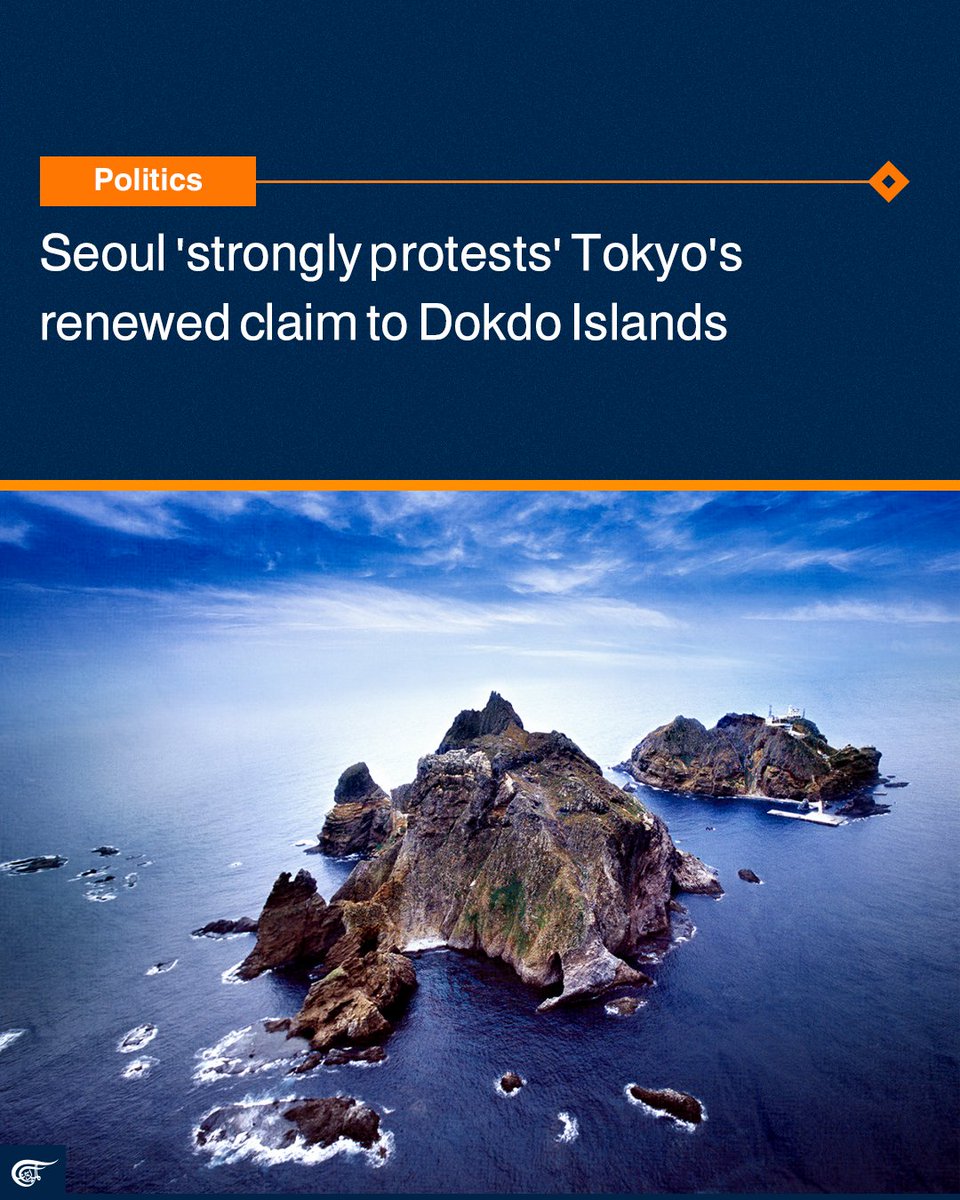
The Gyeongsangbuk-do Provincial Council has issued a sharp condemnation of the Japanese government following the release of the “2026 Diplomatic Bluebook,” which reiterates unfounded claims of sovereignty over the Dokdo islets. On April 10, the council demanded an immediate withdrawal of the statements, characterizing them as a direct denial of South Korean territorial sovereignty.
The dispute centers on the annual publication by Japan’s Ministry of Foreign Affairs, which the council describes as a tool for repeating historical distortions. This latest iteration of the Japan’s 2026 Diplomatic Bluebook Dokdo dispute has reignited tensions, prompting local leadership in Gyeongsangbuk-do to assert that such claims are an affront to the historical truth and the territorial integrity of the region.
According to official statements from the council, the Japanese government has used the Diplomatic Bluebook to maintain a narrative of territorial ownership since 1957. The council highlighted a specific escalation in rhetoric over the last two decades, noting that for 19 years—starting in 2008—Japan has claimed “Dokdo is Japanese territory.” for the past nine years, since 2018, the publication has employed the provocative term “illegal occupation” to describe South Korea’s presence on the islets as reported by local media.
Strong Condemnation from Provincial Leadership
The reaction from the Gyeongsangbuk-do Provincial Council was led by Chair Park Sung-man and Yeon Kyu-sik, the Chair of the Dokdo Protection Special Committee. Both leaders emphasized that the Japanese government’s persistence in these claims is an act of provocation that ignores established historical facts.
Yeon Kyu-sik described the repeated claims as a “shameless provocation” against a land that holds the life and soul of the residents of Gyeongsangbuk-do. He asserted that the provincial council, acting as a front-line entity for the protection of Dokdo, would provide all necessary support to strengthen effective control over the territory, stating that the council would not back down in the face of any provocation from Japan per official council reports.
Chair Park Sung-man offered a more legalistic critique, arguing that Japan’s claims have never been recognized by the international community. Park described the Diplomatic Bluebook as a document that “distorts history and mocks international law.” He strongly urged the Japanese government to withdraw the claims immediately and instead move toward a future-oriented relationship based on mutual respect as documented by regional news sources.
The History of Diplomatic Bluebook Distortions
The Diplomatic Bluebook is an annual report published by Japan’s Ministry of Foreign Affairs that outlines the country’s diplomatic activities and perspectives on international relations. However, for the Gyeongsangbuk-do Provincial Council, it has become a recurring source of diplomatic friction. The timeline of these distortions is as follows:
| Period/Year | Nature of Claim/Action |
|---|---|
| Since 1957 | Annual publication of the Diplomatic Bluebook featuring distorted descriptions of Dokdo. |
| Since 2008 (19 years) | Repeated assertion that “Dokdo is Japanese territory.” |
| Since 2018 (9 years) | Introduction and repetition of the term “illegal occupation” regarding South Korean sovereignty. |
Commitment to Effective Control and Legislative Support
Beyond the immediate condemnation, the Gyeongsangbuk-do Provincial Council has outlined a strategic path forward to ensure the islets remain under South Korean administration. The council intends to work in close coordination with the central government and the Gyeongsangbuk-do provincial administration to solidify the peaceful management and effective control of Dokdo.
To achieve this, the council plans to strengthen its legislative and institutional support. This includes pursuing policies that enhance the practical administration of the islets and ensuring that the legal framework protecting South Korean sovereignty is robust and up to date.
Why This Dispute Matters
The tension over Dokdo is not merely a matter of small islets in the East Sea; It’s a deeply symbolic issue tied to national identity and historical grievances. For South Korea, the effective control of Dokdo is a matter of territorial sovereignty and a rejection of the colonial history imposed by Japan. When Japan includes these claims in an official state document like the Diplomatic Bluebook, it is viewed not just as a diplomatic disagreement, but as a denial of the post-war order and a provocation to the Korean people.
The Gyeongsangbuk-do Provincial Council’s role is critical as the province has a direct administrative link to the islets. By issuing these condemnations and pledging legislative support, the council signals to both the Japanese government and the international community that the local administration remains vigilant and committed to maintaining the status quo of South Korean control.
Key Takeaways
- Event: Gyeongsangbuk-do Provincial Council condemned Japan’s “2026 Diplomatic Bluebook” on April 10.
- Core Issue: Japan continues to claim sovereignty over Dokdo and describes South Korea’s presence as an “illegal occupation.”
- Historical Pattern: Distortions have appeared in the Bluebook since 1957, with specific “Japanese territory” claims since 2008 and “illegal occupation” claims since 2018.
- Council Response: Demand for immediate withdrawal of claims and a commitment to strengthening effective control through legislative and institutional support.
- Leadership: Chair Park Sung-man and Special Committee Chair Yeon Kyu-sik lead the opposition to the Japanese government’s narrative.
The Gyeongsangbuk-do Provincial Council will continue to monitor the Japanese government’s response and coordinate with national authorities to ensure the territorial integrity of the region. The next phase of action involves the implementation of reinforced legislative measures to support the peaceful and effective management of the islets.
We invite our readers to share their perspectives on this diplomatic tension in the comments below and share this report to retain the global community informed on East Asian territorial disputes.