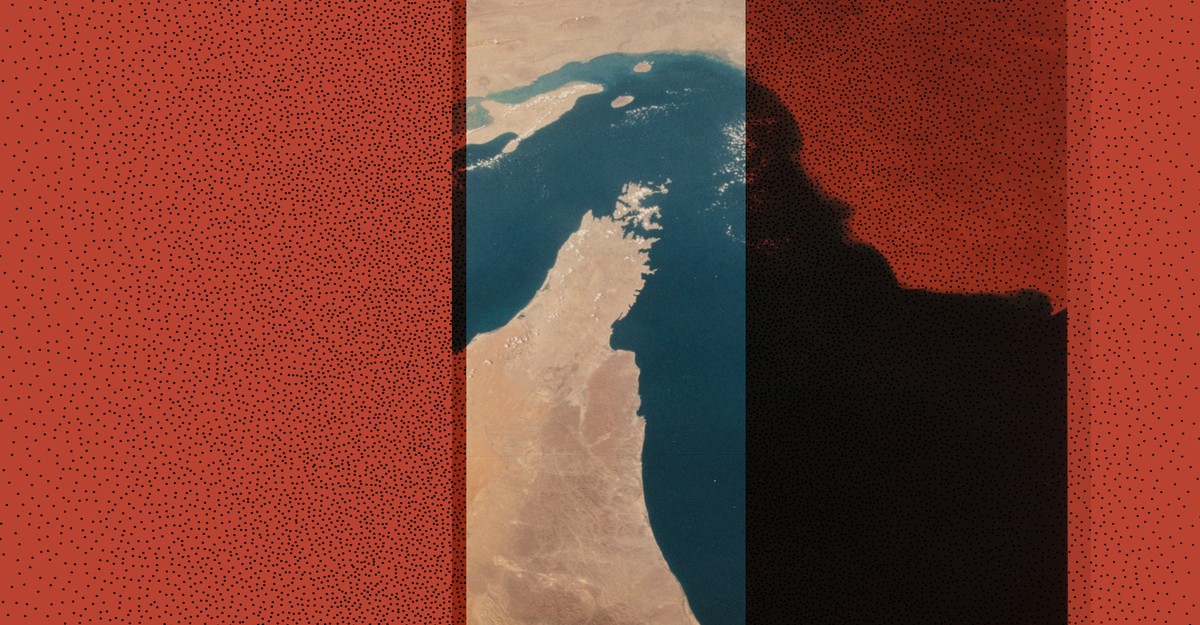
President Donald Trump has announced a sweeping maritime blockade of the Strait of Hormuz, a move that signals a sharp escalation in the ongoing conflict with Iran. The decision follows the collapse of marathon peace talks held in Pakistan over the weekend, which ended without a resolution, prompting the administration to shift from diplomatic efforts to direct economic strangulation.
The strategy, which some analysts describe as “blockading the blockaders,” seeks to neutralize Iran’s current control over the waterway. For weeks, Iran has restricted traffic in the strait, demanding tolls from foreign vessels—reportedly paid in cryptocurrency or Chinese yuan—to ensure safe passage. By deploying the U.S. Navy to interdict these vessels, the Trump administration aims to stop Iran from profiting from what the president termed an “Illegal Act of EXTORTION.”
This sudden pivot comes after a period of contradictory signaling from the White House. Only a week ago, the president warned that a “whole civilization” could perish if Iran did not allow ships to resume normal courses. Now, the administration is doubling down on restrictions, betting that the economic pain inflicted on Tehran will outweigh the resulting volatility in global energy markets.
The Strategic Logic: Forcing a Weaker Hand
The primary objective of the blockade is to choke Iranian oil exports, the country’s most vital source of revenue. By cutting off the flow of oil from Iranian ports, the U.S. Intends to deplete Iran’s “war chest” and force the government back to the negotiating table from a position of extreme weakness. Reports suggest that the administration is acting on intelligence indicating that Iran’s economy is more fragile than it appears to the public.

The timing is critical. According to CNBC, the blockade was announced on Sunday, April 12, 2026, immediately after peace talks hit a stalemate. This tactical shift suggests that the White House has concluded that diplomatic concessions are unlikely and that only severe economic pressure will break the deadlock.
Beyond the immediate goal of weakening Tehran, the blockade carries a potential domestic side effect: boosting U.S. Energy exports. However, this comes at a steep cost to the global consumer. The move is expected to tighten the global oil supply further, potentially worsening an energy crisis that has already seen significant price spikes in commodities like helium and fertilizer.
Operational Scope and the ‘Toll’ Conflict
The implementation of the blockade has created immediate confusion regarding its precise scope. In a post on Truth Social, President Trump stated that the U.S. Navy would “seek and interdict every vessel in International Waters that has paid a toll to Iran.” This directive targets the specific financial mechanism Iran has used to monetize its control of the strait.
However, the official operational guidelines provided by U.S. Central Command (CENTCOM) appear more measured. CENTCOM announced that the military would begin implementing the blockade on Monday at 10 a.m. ET, but explicitly stated that the U.S. Would not impede vessels transiting the strait to and from non-Iranian ports (CNBC). This distinction is vital for maintaining the “freedom of navigation” for neutral international shipping, though the process of identifying which ships have paid Iranian tolls remains a complex naval challenge.
The U.S. Navy maintains the right to “visit and search” vessels and seize contraband supporting the Iranian war effort. Early reports indicate that the blockade is already being tested. CENTCOM has reported successfully directing six merchant vessels to turn around and re-enter an Iranian port.
Global Economic Fallout and the China Factor
From a business perspective, the blockade is a high-stakes gamble with the global economy. The Strait of Hormuz is the world’s most important oil transit chokepoint, and any disruption there inevitably drives up prices at the pump. In the U.S., gas prices have already averaged roughly $4.12 a gallon, and the president has acknowledged to Fox News that prices could stay the same or rise slightly leading up to the November midterm elections.
The most significant geopolitical friction point is China. Beijing currently purchases an estimated 90 percent of Iran’s exported oil, making the Chinese economy highly sensitive to any disruption in the Gulf. While the Chinese foreign ministry has labeled the blockade “dangerous and irresponsible,” analysts suggest China is caught in a dilemma: it wants to avoid a direct military conflict with the United States in the Middle East, but it cannot be seen as bowing to U.S. Pressure.
Iran has a history of utilizing a “shadow fleet”—vessels that switch off tracking devices or broadcast false information—to subvert sanctions. This capacity for dark maritime activity could potentially render the blockade porous, allowing some oil to continue flowing to China despite U.S. Navy presence.
Legal Friction and Diplomatic Isolation
The legality of the blockade is a subject of intense debate among international law experts. A full blockade, under international law, must be applied impartially. Critics, including military analysts, argue that if the underlying war is deemed illegal, the resulting blockade similarly lacks legal standing.
This legal ambiguity has left key U.S. Allies hesitant to join the effort. Despite President Trump’s claims that other countries would be involved, the United Kingdom has refused to lend its support. Similarly, Spain’s defense minister has publicly stated that the blockade “makes no sense,” highlighting a growing rift between the U.S. And its European partners over the strategy in the Persian Gulf.
For the global markets, the uncertainty is the greatest risk. The administration is effectively toying with the global supply of oil to achieve a political victory. Whether this “maximum pressure” campaign will force Iran to the table or simply accelerate a global energy crisis remains the defining question for the coming weeks.
Key Takeaways for Market Observers
- Implementation Date: The blockade began implementation on Monday, April 13, 2026, at 10 a.m. ET (CNBC).
- Target: Specifically targets Iranian ports and vessels that have paid tolls to Iran, while claiming to protect neutral transit.
- Primary Risk: Increased volatility in global oil prices and strained diplomatic relations with the UK and Spain.
- China’s Position: China is the primary buyer of Iranian oil and is likely to be the most impacted global power.
- U.S. Strategy: Shifting from diplomacy to economic strangulation to force Iran into a weaker negotiating position.
The next critical checkpoint will be the first series of official reports on the volume of oil successfully diverted or blocked, as well as any potential response from the Chinese government regarding its energy security. We will continue to monitor CENTCOM updates for changes in the operational scope of the blockade.
Do you believe economic blockades are an effective tool for modern diplomacy, or do they create too much collateral damage for the global economy? Share your thoughts in the comments below.
Keep reading