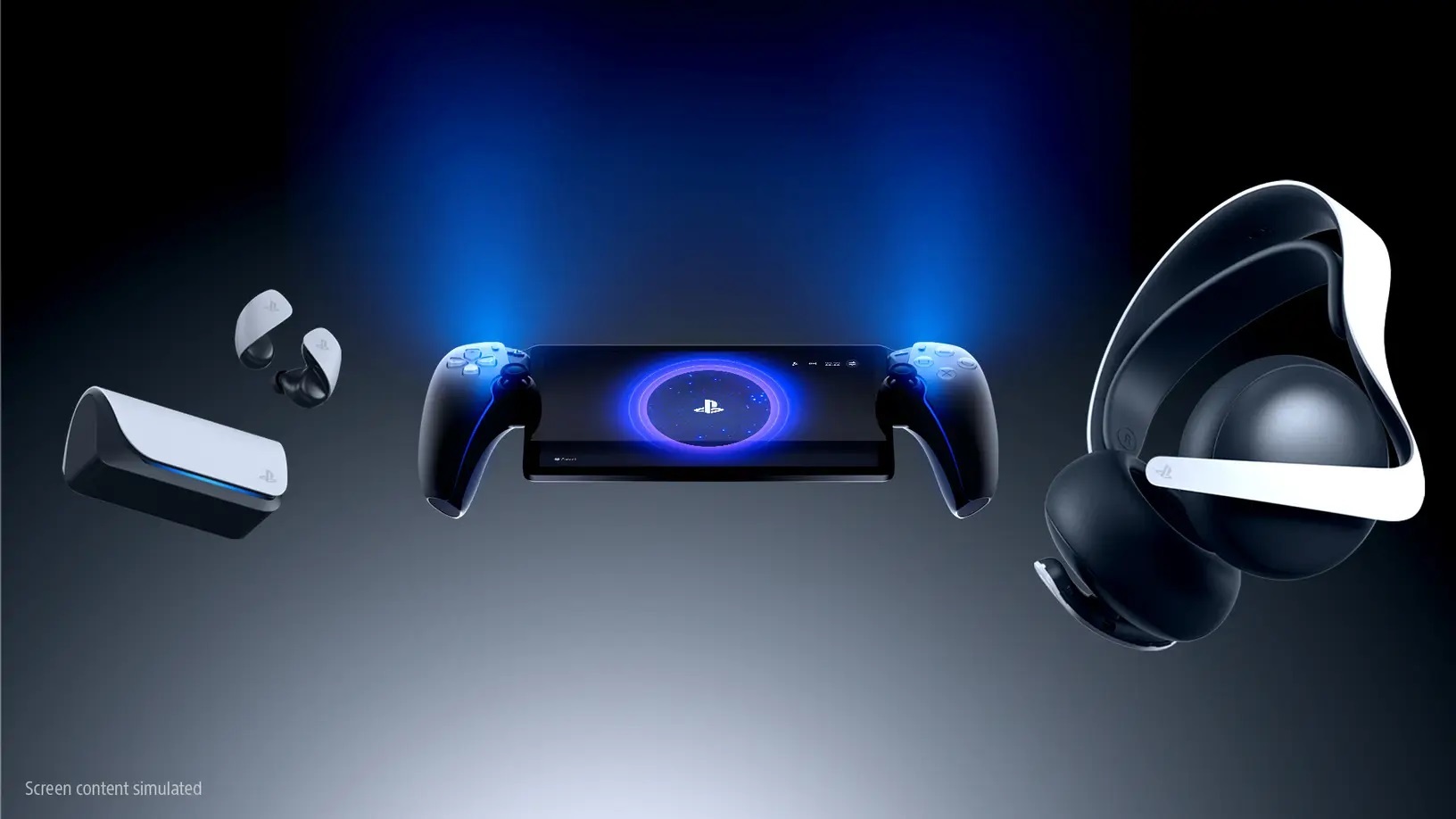
The gaming landscape is currently in a state of transition. With the PlayStation 5 now well into the latter half of its lifecycle and the recent arrival of the PS5 Pro, the conversation among enthusiasts and industry analysts has shifted toward the horizon. While Sony has yet to officially unveil its next leap in hardware, a steady stream of PlayStation 6 rumors has begun to paint a picture of a diversified hardware ecosystem designed to capture both the high-end enthusiast market and the growing demand for portable gaming.
As a journalist who has spent nearly a decade tracking the intersection of software engineering and consumer electronics, I have seen Sony follow a remarkably disciplined rhythm. The company typically balances raw power with strategic accessibility, and the early leaks regarding the PS6 suggest they are doubling down on this strategy. The emerging narrative indicates that the next generation will not be defined by a single box under the television, but rather by a multi-tiered approach that includes a powerhouse home console and a dedicated handheld device.
These reports suggest a strategic shift toward a more flexible hardware lineup. The goal appears to be the creation of a tiered entry point, offering a handheld unit at a more affordable price point that still provides a sufficient hardware upgrade over current portable options. This would allow Sony to maintain its dominance in the living room while aggressively competing in the handheld market, a segment that has seen a massive resurgence in recent years.
The Hardware Leap: Zen 6 and RDNA 5
At the heart of the PS6 rumors are specifications that suggest a massive jump in computational capability. According to industry leaks, Sony is eyeing the implementation of an AMD Zen 6 CPU and an AMD RDNA 5 GPU. For those outside the engineering sphere, this represents a fundamental shift in how the console will handle data and render images. The move to Zen 6 would likely improve multi-threading and processing efficiency, allowing for more complex AI behaviors and more densely populated game worlds.
The most striking claims involve the graphical performance. Reports suggest the PS6 could deliver 3x the rasterization performance of its predecessor, with an even more dramatic leap in Ray Tracing capabilities—potentially between 6x and 12x the performance of current hardware via Wccftech. Rasterization is the traditional method of rendering 3D graphics, while Ray Tracing simulates the physical behavior of light to create realistic reflections and shadows. A 6x to 12x increase would move the industry closer to “path tracing,” where almost every light source in a scene is simulated in real-time, effectively blurring the line between pre-rendered cinematic CGI and real-time gameplay.
Why This Matters for the Average Gamer
For the end user, these specifications translate to more than just higher resolution. We are looking at a future where loading screens are virtually non-existent and environments react dynamically to the player. The integration of advanced GPU architecture allows for more sophisticated lighting and physics, which are essential for the next generation of immersive, open-world experiences. The focus on efficiency in the Zen 6 architecture could support manage the thermal demands of such high performance, a perennial challenge for home consoles.

Predicting the Timeline: The Seven-Year Cycle
While Sony has remained silent on a specific launch date, the company’s historical release pattern provides a reliable roadmap. Sony has maintained a nearly perfect seven-year gap between its primary console generations: the PlayStation 3 launched in 2006, the PlayStation 4 in 2013, and the PlayStation 5 in November 2020. Following this cadence, a 2027 release window for the PlayStation 6 is the most probable target via Wccftech.
This timeline aligns with the current state of the market. The PS5 is now entering its fifth year on the market, and the release of the PS5 Pro in late 2024 serves as the typical “mid-generation refresh.” These refreshes are designed to bridge the gap, introducing new technologies—such as Sony’s PSSR (PlayStation Spectral Super Resolution) AI-driven upscaling—that often serve as a testing ground for the next generation via TechRadar. By the time 2027 arrives, the industry will likely have matured in its utilize of AI-upscaling and ray reconstruction, making it the ideal moment for a full hardware reset.
The Handheld Ambition and Ecosystem Expansion
One of the most intriguing aspects of the current rumors is the potential for a new PlayStation handheld. Unlike the PlayStation Vita, which struggled to find its footing as a standalone primary device, the current market for handheld PCs and consoles has exploded. Reports indicate that Sony’s goal is to offer a device at a more affordable price point that provides a meaningful hardware upgrade over previous portable efforts.

This handheld would likely function as part of a broader ecosystem. Rather than competing directly with the PS6’s raw power, the portable device could offer a seamless transition between home and mobile play. This strategy would allow Sony to capture a wider demographic—gamers who may not want to invest in a high-end home theater setup but still want access to the PlayStation library and first-party titles on the go.
Future-Proofing and Trademarks
Sony’s long-term thinking is already evident in its legal filings. The company has already trademarked the names for several future generations, including PS6, PS7, PS8, PS9, and PS10 via TechRadar. While trademarking a name does not guarantee a release date, it demonstrates a corporate commitment to the console hardware business for decades to arrive, signaling that Sony does not intend to pivot exclusively to a cloud-gaming or subscription-only model in the near future.
Comparing the Rumored Leap
To understand the scale of the rumored upgrades, This proves helpful to look at the projected performance gains compared to current-gen standards.
| Feature | PS5 / PS5 Pro Base | PS6 (Rumored) |
|---|---|---|
| CPU Architecture | AMD Zen 2 | AMD Zen 6 |
| GPU Architecture | AMD RDNA 2 / Modified | AMD RDNA 5 |
| Raster Performance | Baseline | ~3x Increase |
| Ray Tracing | Baseline | 6x – 12x Increase |
| Device Form Factor | Home Console | Home Console + Handheld |
What This Means for the Industry
The shift toward a multi-device strategy—a high-end console paired with a portable alternative—reflects a broader trend in the tech industry toward “hybridity.” We see this in the success of the Nintendo Switch and the rise of the Steam Deck. For Sony, this is a way to hedge their bets. If the market continues to move toward mobile consumption, they have a dedicated device. If the “hardcore” market continues to demand 8K resolution and photorealistic lighting, the PS6 home console will satisfy that appetite.
the focus on AI, as seen with PSSR on the PS5 Pro, suggests that the PS6 will rely heavily on machine learning to achieve its performance targets. Rather than relying solely on raw transistor counts, Sony is likely integrating AI to handle image reconstruction and frame generation, which allows for higher perceived resolutions without the massive power draw that usually accompanies such leaps.
As we move closer to the projected 2027 window, the industry will be watching for “Project Helix” and other competitor movements from Microsoft to see how the hardware war evolves. But, based on the current trajectory, Sony is positioning itself not just to release a new machine, but to launch a comprehensive gaming ecosystem that follows the player from the living room to the commute.
Currently, there are no officially scheduled announcements from Sony regarding the PlayStation 6. The next major checkpoints for the community will be the quarterly earnings reports and the annual gaming showcases, where subtle hints about future hardware roadmaps often emerge.
What are your thoughts on the rumored handheld? Would you prefer a portable PS6 over a traditional home console? Let us know in the comments below.
Keep reading