Beyond Ceasefires: Building Lasting Peace in Haiti – A Long-Term Investment in Justice and Community
Haiti is at a crossroads. Headlines scream of gang violence, political instability, and a humanitarian crisis. But beyond the immediate emergency, a quiet, persistent effort is underway – one focused not just on suppressing violence, but on building the foundations for lasting peace. This isn’t a swift fix; it’s a decades-long commitment to justice, reconciliation, and empowering local communities. As someone who has spent years observing and analyzing conflict resolution strategies globally, I believe Haiti’s path forward lies in understanding and supporting these grassroots initiatives.
The current situation is dire. Gangs control vast swathes of territory, inflicting unimaginable suffering on the Haitian people. Jimmy “Barbecue” Cherizier, a notorious gang leader, embodies the complex challenges facing the nation. While a controversial figure, even engaging with him – as peacebuilder Nader Mars did in 2020 – highlights a crucial point: ignoring the root causes of gang power and the grievances fueling it will only perpetuate the cycle of violence.
But dialog alone isn’t enough. As Renan Hédouville, director of the anti-corruption organization nou Pap Tolere, rightly points out, ”Peace can only be achieved when justice is served.” Impunity for atrocities - the murders, kidnappings, rapes, and forced displacements – breeds resentment and ensures the violence continues. Victim compensation and a genuine reckoning with past wrongs are not optional; they are fundamental to any sustainable peace process.
The Power of Bridging Divides: Lakou Lapè’s Approach
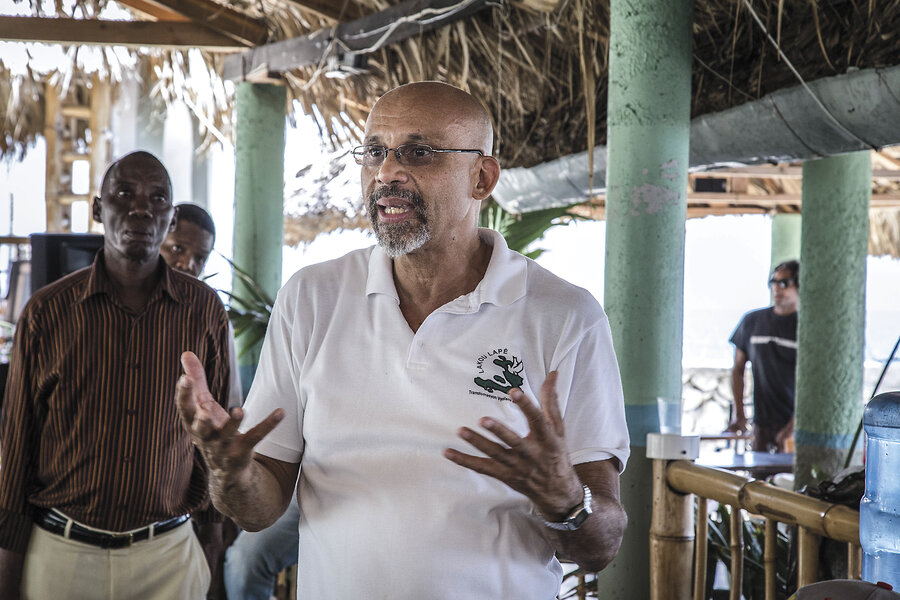
This is where organizations like Lakou Lapè (“Peace Houses”), founded by Nader Mars, are making a critical difference. Lakou Lapè doesn’t operate from a detached, international perspective. It works within Haitian communities, fostering dialogue and building relationships between seemingly disparate groups: business leaders and residents of high-unemployment neighborhoods.
Mr. mars’ unique strength lies in his ability to navigate both worlds, earning the trust of both the business sector and the marginalized communities often overlooked. This trust is the bedrock of his success. Geoffrey Handal, a fifth-generation leader of a shipping and logistics conglomerate, exemplifies this. Through Mars’ workshops, Handal met Jean Gilles Bernard Camille, a young facilitator from Barbecue’s stronghold.
This encounter led to a pivotal investment: Handal funded Camille’s tilapia farm project. But the impact extended far beyond the financial. Camille became an “ambassador,” challenging the pervasive mistrust between the business elite and the communities they often ignore. Handal, in turn, discovered the potential and drive within a neighborhood often stereotyped as hopeless.
This story isn’t just about a triumphant business venture; it’s about rebuilding trust, demonstrating that collaboration is possible, and proving that individuals from even the most challenging backgrounds can deliver on their promises. Camille’s commitment – “Repaying that trust is what keeps me going” – underscores the power of reciprocal respect.
The Challenges Ahead: Funding, Political instability, and a New Generation
Though, this work is not without its obstacles. Peacebuilding is a long-term investment, requiring sustained funding and unwavering commitment. Lakou Lapè, previously reliant on USAID funding, faced setbacks when the Trump management froze foreign aid.This highlights the vulnerability of local initiatives to shifting geopolitical priorities. Furthermore, Mr.Mars’ own health challenges have necessitated a step back from day-to-day operations.
The political landscape adds another layer of complexity. The Transitional Presidential Council, tasked with steering Haiti towards elections, has been plagued by internal divisions and corruption allegations. The appointment of businessman laurent Saint-Cyr as council president triggered renewed threats from Barbecue, demonstrating the deep-seated distrust in a government historically dominated by the wealthy. The subsequent nationwide state of emergency underscores the escalating crisis.
Despite these challenges,Mr.mars recognizes the need to empower a new generation of peacebuilders. He understands that lasting change requires handing over the reins to those who will inherit the future of Haiti.
A Beacon of Hope: Derlineda Louis Jeune and the Future of Peace
This transition is already underway. Derlineda Louis Jeune, a member of a peace and dialogue committee facilitated by Camille, embodies this hope. Displaced by violence herself, she is now dedicated to building peace within her new community, with plans to study law and become a leader for change.
Her perspective is powerful: “Peace is possible in Haiti.” It’s a sentiment rooted not in naive optimism
Related reading