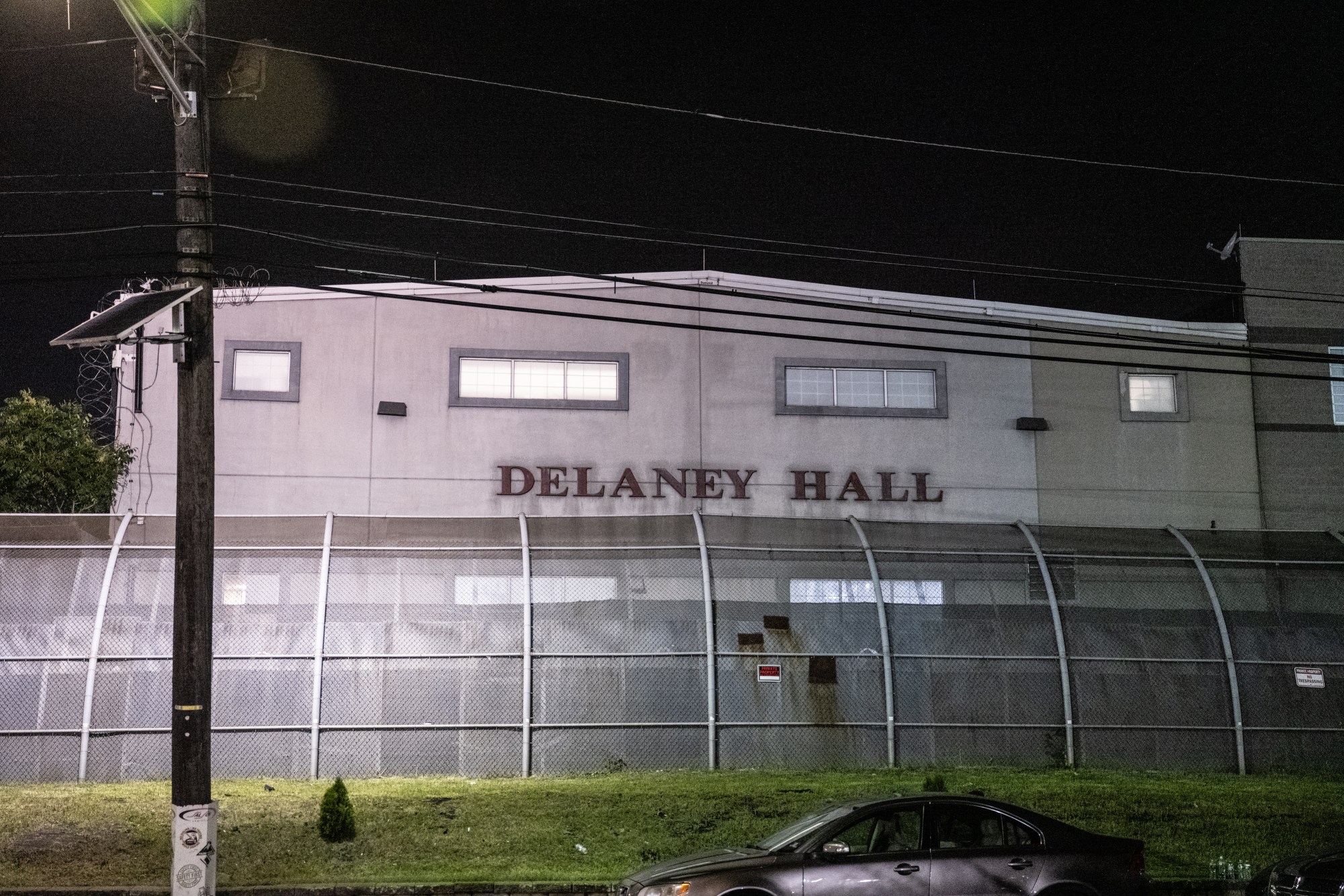
Death at Delaney Hall: Calls Mount to Close Newark ICE Facility Amidst Detainee’s Death
The recent death of Jean wilson Brutus at the Delaney Hall ICE detention facility in Newark, New Jersey, has ignited a firestorm of criticism and renewed calls for the facility’s closure. Brutus, 41, died on December 12th, just one day after being admitted, marking the first detainee death at Delaney Hall as it opened in May. This tragedy adds to a growing national concern regarding conditions within Immigration and Customs Enforcement (ICE) detention centers.
What Happened to Jean Wilson Brutus?
According to reports, brutus experienced a medical emergency on December 11th, the day of his transfer to Delaney Hall. Emergency medical Services (EMS) attempted life-saving measures and transported him to University Hospital in Newark, where he was pronounced dead the following day. ICE maintains that Brutus showed no signs of distress upon arrival and had no known history of cardiovascular issues, attributing his death to natural causes.
Though, advocates and elected officials are questioning this assessment, pointing to broader concerns about medical care within the facility. You’ll find more details in reports from NJ.com and The Jersey Vindicator.
A Pattern of Concern: What advocates Are Saying
Brutus’ death isn’t happening in a vacuum. It’s the fourth detainee death at ICE facilities nationwide within the past week, fueling fears about systemic issues within the detention system.
Here’s what advocates are highlighting:
* Inadequate Medical Care: Rep. Menendez, after visiting the facility, reported that detainees are demonstrably sick, wiht widespread coughing and complaints about poor food quality. This suggests a potential lack of adequate healthcare provisions.
* Profiteering Concerns: Critics argue that facilities like Delaney Hall, operated by the GEO Group under a $1 billion contract, are driven by profit rather than the well-being of detainees. This creates a perverse incentive to minimize costs, potentially impacting healthcare and living conditions.
* Purposeful Cruelty: Alison Perkon, a volunteer with “Eyes on ICE,” a group that regularly protests outside Delaney Hall, expressed a long-held fear that a death would occur at the facility. She and others believe the conditions are intentionally harsh, stating, “The cruelty is the point.”
The bigger Picture: ICE Detention and the GEO Group
Delaney Hall is operated by the GEO Group, a private prison corporation. The relationship between ICE and private prison companies has long been controversial. Critics, like amy Torres, director of the New Jersey Alliance for Immigrant Justice, describe it as a “twisted marriage” between deportation agendas and corporate profit.
This raises critical questions about accountability and oversight. When private companies are incentivized by detainee numbers, are the needs of those detained truly prioritized?
Brutus’ Background and ICE’s Stance
ICE officials have stated that Brutus was living in the U.S. without legal authorization and had a prior criminal record, including arrests for criminal mischief and trespassing. While this information is relevant, it doesn’t diminish the need for humane treatment and adequate medical care while in custody.
ICE maintains that all individuals in their custody receive medical, dental, and mental health screenings within 12 hours of arrival. However, the experiences reported by detainees and advocates suggest these screenings may not be sufficient to identify and address underlying health issues.
What’s Next?
Brutus’ death has galvanized activists and Democratic lawmakers to demand the closure of Delaney Hall. the calls for closure are rooted in concerns about the facility’s conditions, the potential for further tragedies, and the broader ethical implications of for-profit immigration detention.
As investigations into Brutus’ death continue, the
Keep reading