
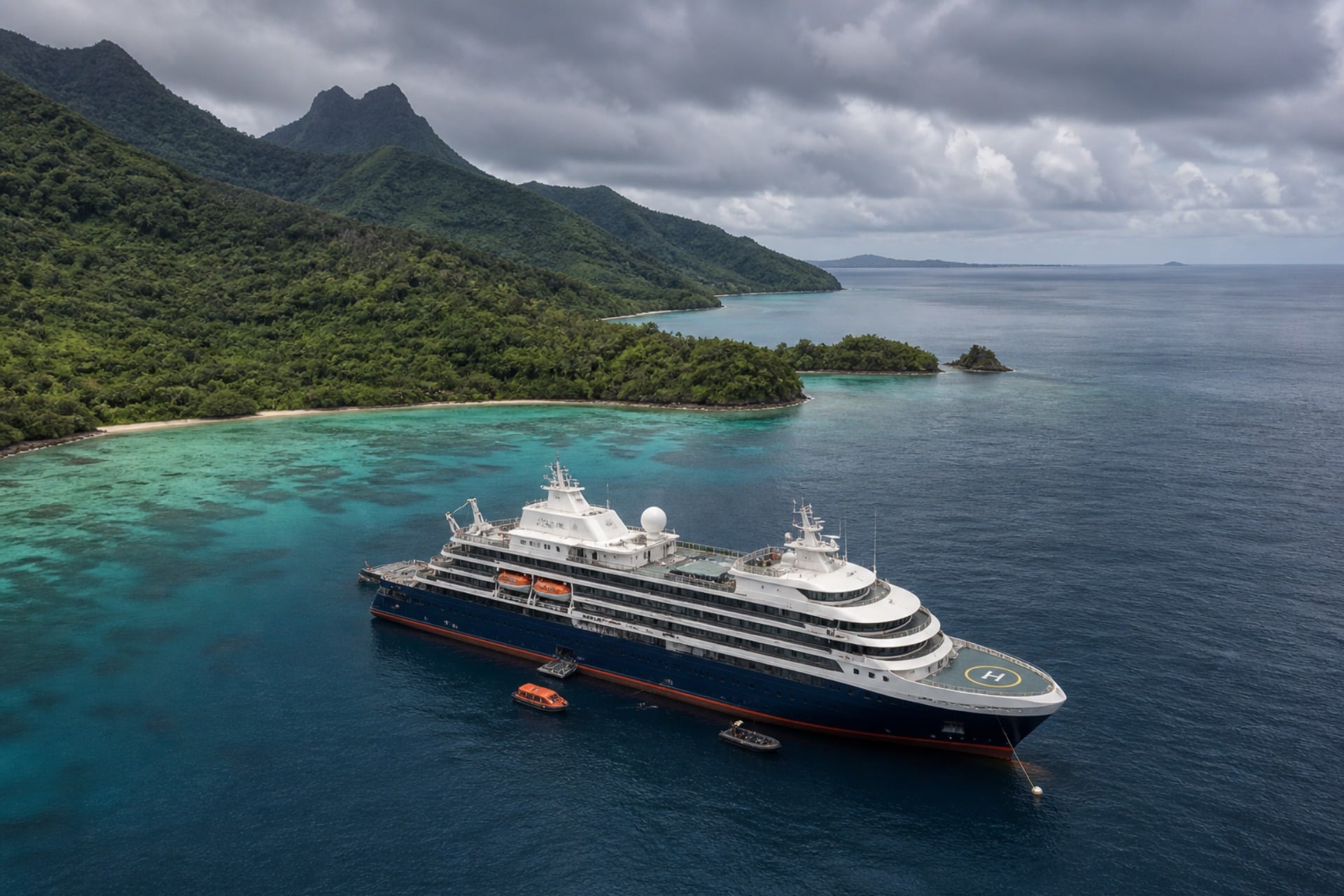
Health authorities have lifted the quarantine for the majority of passengers aboard the MV Hondius following an investigation into a suspected Hantavirus infection. Public health officials moved to contain the potential spread of the zoonotic virus after a traveler on the vessel exhibited symptoms consistent with the disease. According to reporting from the World Health Organization, Hantavirus pulmonary syndrome is a rare but severe respiratory condition typically transmitted through contact with rodent excreta, rather than direct human-to-human transmission.
The incident on the cruise ship, which operates in polar regions, triggered an immediate response from international health agencies and local port authorities. While the initial alarm prompted significant concern regarding a potential outbreak, subsequent medical evaluations indicated that the risk to the broader passenger population was limited. As of the most recent updates, the vessel has been cleared to resume operations, though surveillance remains in place for those who may have been exposed.
Understanding Hantavirus Transmission and Risks
Hantavirus is a group of viruses carried primarily by specific rodent species. Infection in humans occurs when individuals inhale aerosolized particles from the urine, droppings, or saliva of infected rodents. The Centers for Disease Control and Prevention (CDC) notes that while human-to-human transmission is extremely rare, the Andes virus strain—a specific variant found in parts of South America—has documented instances of limited person-to-person spread. This potential for transmission is precisely why cruise lines and public health agencies maintain stringent hygiene and rodent-control protocols on maritime vessels.
Unlike influenza or COVID-19, Hantavirus does not spread through respiratory droplets in the air between people in casual contact. The primary focus for health investigators during the MV Hondius incident was identifying the source of the initial exposure. By tracing the travel history and recent environment of the affected passenger, authorities were able to determine that the risk of a wider outbreak on the ship was statistically low. This distinction is critical in managing public perception and avoiding unnecessary panic during maritime health emergencies.
Public Health Protocols on Cruise Vessels
Cruise ships operating in remote areas, such as the Antarctic, are subject to rigorous international health regulations. These guidelines, overseen by the International Maritime Organization (IMO), require vessels to have comprehensive medical facilities and isolation procedures for infectious diseases. When a suspected case of a highly pathogenic disease is identified, the ship’s medical officer must immediately notify the next port of call and the relevant national health authorities.

The management of the MV Hondius case highlights the effectiveness of these established protocols. By isolating the symptomatic individual and conducting contact tracing, the crew prevented the disruption of travel for the remaining passengers. Experts in infectious disease policy emphasize that while the threat of zoonotic diseases remains a factor for travelers, the combination of modern medical screening and strict sanitation aboard commercial ships provides a robust layer of protection against large-scale outbreaks.
Lessons for Future Maritime Health Management
The incident has sparked renewed discussion regarding how zoonotic risks are communicated to the public. In recent years, there has been heightened scrutiny of how pathogens move from wildlife populations to human travelers. Scientific bodies, including the French Senate, have conducted reviews on the broader implications of zoonoses, noting that as human activity expands into more remote habitats, the interaction between travelers and local wildlife environments increases the risk of isolated exposure events.

Moving forward, the focus for cruise operators will likely remain on enhancing rodent-prevention strategies and upgrading onboard diagnostic capabilities. The MV Hondius case serves as a reminder that early detection is the most effective tool in public health. By acting quickly to quarantine the affected individual, the operator ensured that the health of the majority was protected without requiring prolonged, restrictive measures for the entire ship population.

For passengers and crew, the takeaway is clear: while Hantavirus is a serious concern, it is manageable through standard vector control and prompt medical intervention. Travelers with concerns about specific health risks in their destination are encouraged to consult the latest travel advisories provided by their national health ministries or the World Health Organization before departure.
As of this update, no further cases have been reported related to the vessel. Health authorities will continue to monitor the situation for any late-developing symptoms among the crew and passengers. We invite our readers to share their thoughts or experiences with maritime health safety in the comments section below.