
As the Indian Ocean region remains under heightened scrutiny following recent hantavirus outbreaks on cruise ships and in European ports, one question looms large for travelers and health officials alike: Is La Réunion, the French island territory in the western Indian Ocean, at risk? The answer, according to verified health advisories, is clear—hantavirus is not currently circulating at La Réunion. However, the island’s health authorities are maintaining vigilance as part of a broader regional response to the virus’s resurgence.
This distinction is critical. While the broader Indian Ocean region has seen confirmed cases—including on the cruise ship MV Hondius, which docked in Rotterdam after an outbreak linked to three deaths—La Réunion’s health department has issued no reports of local transmission. The island’s strategic location, coupled with its robust public health infrastructure, has so far shielded it from the virus’s spread. Yet, as the World Health Organization (WHO) Director-General Tedros Adhanom Ghebreyesus noted in early May, the global risk remains “low” but requires “enhanced monitoring.”
For travelers, residents, and health professionals, understanding the nuances of hantavirus transmission—and why La Réunion stands apart—is essential. Below, we break down the verified facts, regional context, and practical steps to mitigate risk, based on official advisories and scientific consensus.
Hantavirus in the Indian Ocean: The Current Picture
The recent hantavirus outbreak aboard the MV Hondius has drawn global attention, with the WHO confirming three fatalities among passengers and crew by May 3, 2026. The virus, primarily spread through rodent exposure, has historically been linked to hemorrhagic fever with renal syndrome (HFRS) in Europe and Asia. However, the Indian Ocean’s role in hantavirus epidemiology has been less documented—until now.
Key verified details from the outbreak include:
- Transmission source: The MV Hondius outbreak originated from rodent exposure during its Atlantic crossing, with the virus detected in passengers and crew after docking in Tenerife on May 10, 2026.
- Quarantine measures: All passengers were quarantined in Tenerife, while the ship’s remaining crew (25 members) and medical staff were placed under strict isolation upon arrival in Rotterdam on May 18, 2026.
- Regional response: France’s Ministry of Health convened emergency meetings on May 11–12, 2026, to coordinate surveillance and containment protocols, treating the situation as a “dry run” for pandemic response strategies.
Crucially, no cases have been linked to La Réunion. The island’s health agency, Agence Régionale de Santé (ARS) de La Réunion, has not reported hantavirus activity in 2026. This aligns with historical data: hantavirus cases in the Indian Ocean are rare and typically tied to mainland Africa or Asia, where rodent populations carry the virus. La Réunion’s isolated ecosystem—lacking native rodent species known to harbor hantaviruses—has historically posed minimal risk.
Why La Réunion Remains Hantavirus-Free (For Now)
Several factors contribute to La Réunion’s current status:
1. Ecological Isolation
La Réunion’s unique biodiversity, shaped by its volcanic origins, includes endemic species but lacks the rodent populations (e.g., deer mice, black rats) primarily responsible for hantavirus transmission in other regions. While invasive species like the Rattus norvegicus (brown rat) exist, they are not known vectors for hantavirus strains circulating in Europe or the Atlantic.
2. Public Health Surveillance
La Réunion’s ARS maintains active surveillance for exotic and vector-borne diseases. Following the MV Hondius outbreak, the agency has:
- Increased screening at ports for travelers from high-risk zones (e.g., Europe, Africa).
- Reinforced rodent control measures in high-traffic areas (e.g., ports, markets).
- Issued advisories to healthcare providers to monitor symptoms consistent with hantavirus (e.g., fever, muscle aches, respiratory distress).
3. Travel and Trade Patterns
Unlike regions with dense air or sea traffic from hantavirus-endemic zones (e.g., the Netherlands, Germany), La Réunion’s connections are primarily with:
- France (direct flights from Paris).
- Mauritius and Madagascar (limited hantavirus risk).
- Comoros and Mayotte (French territories with no reported cases).
While travelers from Europe—where hantavirus cases have risen—visit La Réunion, the island’s tourism infrastructure includes health screenings for incoming visitors from outbreak zones.
Hantavirus Symptoms: What to Watch For
Understanding hantavirus symptoms is critical for early detection. The virus causes two primary syndromes:
Hemorrhagic Fever with Renal Syndrome (HFRS)
Most common in Europe and Asia, HFRS progresses in stages:
- Early (3–8 days after exposure): Fever, chills, headache, back/abdominal pain, nausea.
- Hypotensive phase (4–7 days later): Low blood pressure, flushed face, increased urination.
- Oliguric phase (8–35 days): Severe kidney impairment, possible shock.
The mortality rate for untreated HFRS ranges from 1–15%, depending on the virus strain.
Hantavirus Pulmonary Syndrome (HPS)
Rare in Europe but reported in the Americas, HPS affects the lungs:
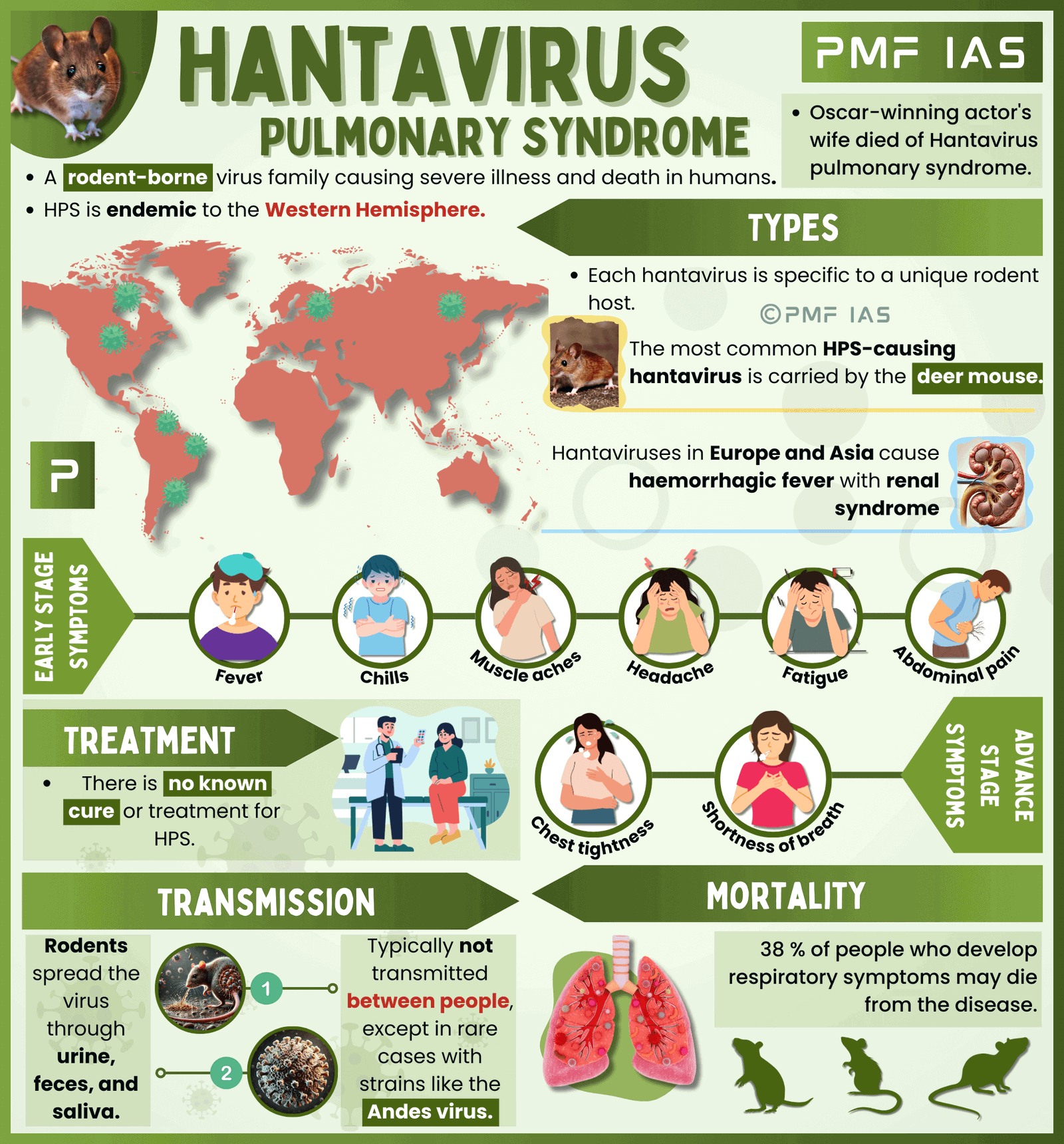
- Early (1–5 days): Fatigue, fever, muscle aches, headaches.
- Late (4–10 days): Cough, shortness of breath, fluid in the lungs.
HPS has a 30–50% mortality rate without intensive care.
Key note: Person-to-person transmission is extremely rare, occurring only with prolonged close contact (e.g., caring for an infected individual).
Practical Steps: How to Stay Safe at La Réunion
While the risk remains low, travelers and residents can take precautions:
For Travelers
- Avoid rodent habitats: Do not enter areas with visible rodent droppings, nests, or urine (e.g., abandoned buildings, dense vegetation).
- Use insect repellent: Mosquitoes are not hantavirus vectors, but repellent reduces other risks (e.g., dengue, chikungunya).
- Inspect accommodations: Report signs of rodents to hotel staff or tour operators.
- Monitor symptoms: Seek medical attention if fever or respiratory symptoms develop within weeks of travel.
For Residents
- Report rodent sightings: Contact ARS La Réunion (contact details) for pest control.
- Practice food safety: Store food securely to avoid attracting rodents.
- Support local surveillance: Participate in health alerts if symptoms emerge in the community.
What Happens Next: Regional and Global Monitoring
The WHO and European Centre for Disease Prevention and Control (ECDC) are coordinating with regional health agencies to:

- Track hantavirus strains in the Indian Ocean and Atlantic.
- Assess whether the MV Hondius outbreak strain could adapt to new environments.
- Enhance port health protocols to prevent future introductions.
La Réunion’s ARS will continue its weekly health bulletins, with the next update scheduled for June 1, 2026. Travelers are advised to check:
- The WHO hantavirus dashboard for real-time alerts.
- ARS La Réunion’s official advisories before and during visits.
Key Takeaways
- La Réunion is currently hantavirus-free. No local transmission has been reported in 2026.
- Risk factors are low due to ecological isolation and public health measures.
- Symptoms to monitor: Fever, muscle aches, respiratory distress—seek care if these occur post-travel.
- Precautions matter: Avoid rodent exposure and report unusual symptoms promptly.
- Global vigilance continues: The MV Hondius outbreak underscores the need for international coordination.
As Dr. Jean-Daniel Lelièvre, an immunologist at Henri-Mondor Hospital in France, noted in May 2026, “This is not a pandemic scenario, but it’s a reminder that even low-probability risks require preparedness.” For La Réunion, that means staying informed—and acting on verified health guidance.
Have you traveled to La Réunion recently? Share your experiences and questions in the comments below. For official updates, bookmark ARS La Réunion and WHO.
Worth a look