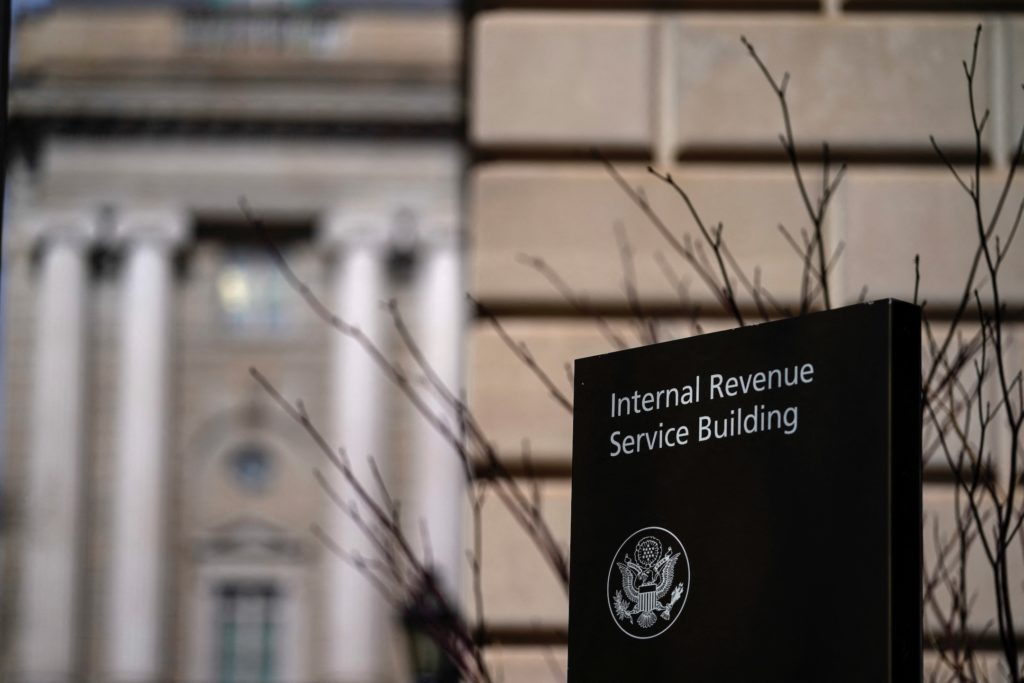
WASHINGTON, D.C. — May 19, 2026 — In a move that has sparked fierce debate over executive power, taxpayer funds, and the weaponization of legal processes, the U.S. Department of Justice (DOJ) has established a $1.776 billion compensation fund for individuals claiming they were wrongfully investigated or prosecuted under previous administrations. The announcement came as part of a settlement agreement with President Donald Trump, who dropped his $10 billion lawsuit against the IRS over the 2019 leak of his tax returns.
Acting Attorney General Todd Blanche—who previously served as Trump’s personal defense lawyer—described the fund as a response to what he called the “weaponization of government” against political opponents. Critics, including congressional Democrats, have condemned the initiative as a thinly veiled slush fund for Trump’s allies, funded by taxpayer dollars. The fund’s administration will be overseen by a committee appointed by the DOJ, with the president retaining the authority to remove appointees, raising further ethical concerns.
This development marks a dramatic escalation in the Trump administration’s efforts to reshape legal norms around investigations targeting political figures. While the DOJ frames the fund as a corrective measure for alleged abuses, legal scholars and watchdog groups warn it sets a dangerous precedent for future administrations to use taxpayer resources to influence legal outcomes.
Acting Attorney General Todd Blanche and DOJ officials announced the fund during a May 18 press briefing. DOJ Press Release
How a $10 Billion IRS Lawsuit Became a $1.8 Billion Slush Fund
Trump’s original lawsuit, filed in 2022, sought $10 billion in damages from the IRS, alleging the agency’s release of his tax returns in 2019 violated his constitutional rights. The leak—first reported by The New York Times—sparked a years-long legal battle that became a cornerstone of Trump’s claims about government persecution.
Under the terms of the settlement, announced on May 18, 2026, Trump agreed to withdraw the lawsuit in exchange for the DOJ’s creation of the compensation fund. The fund’s exact purpose remains fluid, but Blanche emphasized it would target “victims of lawfare,” a term critics argue is politically loaded. The DOJ has not yet released detailed eligibility criteria, though early indications suggest it may prioritize cases involving Trump-aligned figures.
Legal experts note the settlement’s structure is unusual. Typically, such agreements involve direct payments to plaintiffs or specific policy changes. Here, the DOJ is creating a discretionary fund—one that could be distributed based on political rather than legal merit. “This is not how settlements work,” said Sen. Mark Warner (D-VA), who called the fund “a giveaway to Trump’s friends using taxpayer money.” Warner introduced legislation last week to block the fund’s disbursement, arguing it violates the Constitution’s separation of powers.
“If our Republican colleagues have any respect for the Constitution and the powers of Congress, they will join us and put a stop to this rank corruption.”
— Sen. Mark Warner (D-VA), via social media, May 18, 2026
Who Controls the Fund? And What Are the Risks?
The fund’s administration is a key point of contention. According to DOJ documents obtained by USA Today, the committee overseeing disbursements will be appointed by Blanche, with the president retaining veto power over removals. This structure has raised alarms among transparency advocates, who argue it creates an unchecked mechanism for political favoritism.
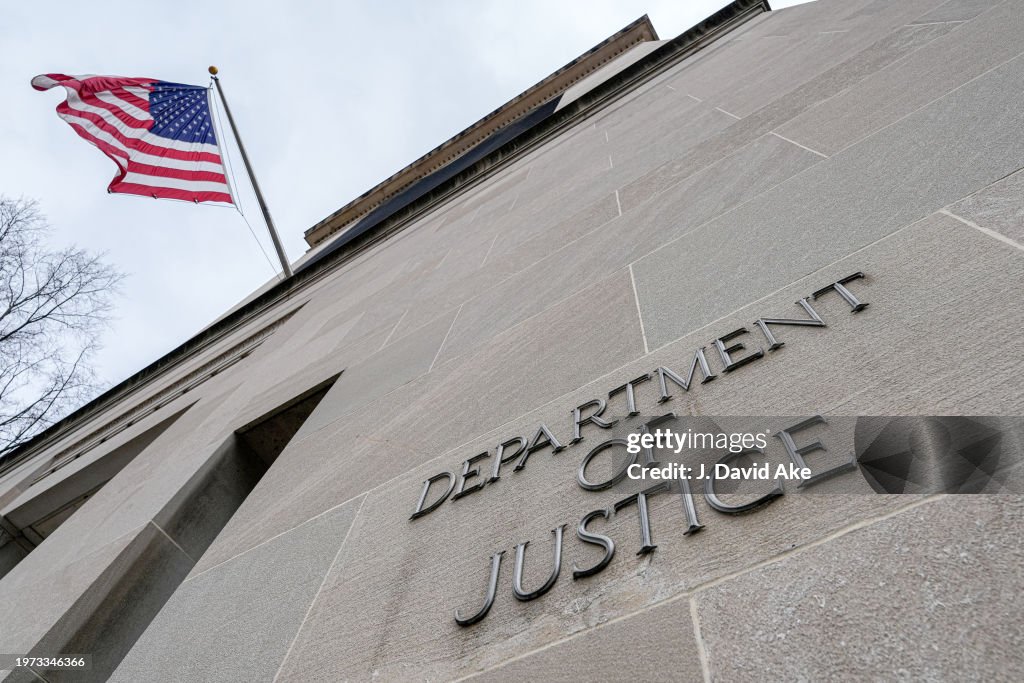
While the DOJ has not disclosed a final list of potential beneficiaries, early signals suggest the fund may target:
- Individuals prosecuted under the Biden administration, particularly those tied to Trump’s 2020 election challenges or January 6 investigations.
- Legal defense organizations aligned with Trump’s political base, which could receive grants to challenge future investigations.
- Former officials and allies who faced scrutiny over alleged misconduct, such as those involved in the Francis Scott Key Bridge incident or other high-profile cases.
Critics warn the fund could also be used to preemptively compensate future targets of investigations, effectively creating a chilling effect on law enforcement. “This isn’t about justice—it’s about buying loyalty,” said Rep. Jamie Raskin (D-MD), a leading voice in Congress against the fund. Raskin’s office has circulated a draft bill to impose restrictions on presidents and vice presidents seeking damages from the government they oversee.
Does This Set a Dangerous Precedent?
The DOJ’s fund is not the first time taxpayer money has been used to compensate political allies, but its scale and explicit linkage to a president’s legal battles are unprecedented. Legal scholars point to several concerns:
- Separation of Powers: The fund’s creation follows Trump’s lawsuit against the IRS—a government agency he oversees. Constitutional scholars argue this blurs the line between plaintiff and defendant, raising questions about conflicts of interest.
- Selective Justice: Without clear, objective criteria, the fund risks becoming a tool for partisan legal defense. “If the standard is ‘wrongfully investigated,’ who defines ‘wrongful’?” asked Jonathan Turley, constitutional law professor at George Washington University. “This invites abuse.”
- Taxpayer Accountability: The $1.776 billion figure—rounded from the original $1.776 billion settlement—has drawn comparisons to Trump’s past financial controversies, including his 2019 tax returns and ongoing legal fees. Critics argue the fund is merely redirecting taxpayer funds to offset his personal legal costs.
Supporters, however, frame the fund as a necessary corrective. “For years, we’ve seen selective enforcement where one set of laws applies to political opponents and another to allies,” said Acting ATF Director Cekada during a joint press briefing with Blanche on April 29, 2026. “This fund ensures accountability for those who were unfairly targeted.”
Acting ATF Director Cekada and Acting AG Blanche discuss legal reforms during a May 4, 2026 briefing. DOJ Archive
Key Developments to Watch
The fund’s future hinges on several critical steps:
- Committee Formation: The DOJ must finalize the committee overseeing disbursements. Expect nominations to be announced within 30 days, with potential confirmation battles in Congress.
- Eligibility Rules: The DOJ has not released detailed criteria for compensation. Legal experts anticipate a rush of applications from Trump-aligned figures, including those involved in:
- The Francis Scott Key Bridge investigation (May 2026)
- Meatpacking antitrust probes (announced May 4, 2026)
- Healthcare fraud crackdowns (West Coast Strike Force, April 2026)
- Congressional Pushback: Warner’s bill to block the fund has gained traction, with at least 15 Senate Democrats co-sponsoring. A vote is expected by June 1, 2026.
- Legal Challenges: Watchdog groups, including the Campaign Legal Center, have signaled plans to sue over the fund’s constitutionality.
The next major checkpoint is June 15, 2026, when the DOJ is expected to release the first round of committee appointments. Meanwhile, the House Judiciary Committee has scheduled hearings on the fund’s ethical implications for June 10.
Key Takeaways
- The $1.776 billion fund is tied to Trump’s settlement of a $10 billion IRS lawsuit over tax return leaks.
- Fund administration is controlled by a DOJ-appointed committee with presidential oversight, raising ethical concerns.
- Critics call it a “slush fund” for Trump allies. supporters frame it as redress for “lawfare” victims.
- Congress is moving to block the fund, with a Senate vote possible by early June 2026.
- Legal challenges are likely, with watchdogs arguing the fund violates separation of powers.
This story is developing rapidly. For live updates, monitor:
- DOJ Official Announcements
- Senate Judiciary Committee Hearings (June 10, 2026)
- Campaign Legal Center (for legal challenges)
What do you think? Should taxpayer funds be used to compensate political allies? Share your thoughts in the comments below—or join the discussion on X @WorldTodayJrnl.