The maritime community and global health authorities are closely monitoring a developing medical crisis aboard the MV Hondius, a vessel currently anchored off the coast of Cape Verde. What began as a journey through the remote Atlantic has transformed into a high-stakes quarantine after a suspected outbreak of hantavirus led to at least three deaths and left several others critically ill.
As a physician and health journalist, I have seen how rapidly respiratory illnesses can escalate in confined environments. The situation on the MV Hondius is particularly concerning not because of the virus’s prevalence—hantavirus is rare—but because of the specific strain suspected and the logistical challenges of managing an outbreak at sea. The vessel, operated by Oceanwide Expeditions, is currently in a state of diplomatic and medical limbo, having been refused entry to the port of Praia.
The MV Hondius hantavirus outbreak has raised urgent questions about the potential for person-to-person transmission, a characteristic typically absent from most hantavirus strains but present in the Andes virus. With 149 people on board, including 17 Americans, the priority has shifted from voyage completion to containment and the safe disembarkation of passengers and crew.
The Clinical Reality: Hantavirus and the Andes Strain
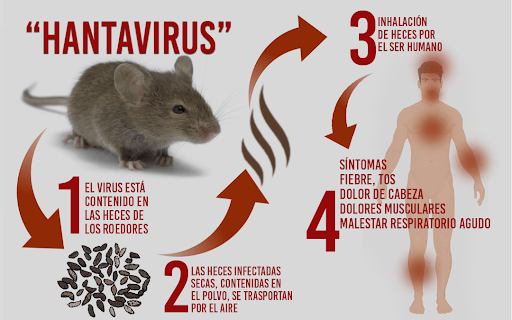
To understand why health authorities are treating this situation with such caution, we must look at the pathology of the virus. Hantavirus typically causes Hantavirus Pulmonary Syndrome (HPS), a severe respiratory disease. According to the Centers for Disease Control and Prevention (CDC), humans are generally infected through contact with the urine, droppings, or saliva of infected rodents, often by inhaling aerosolized viral particles.

However, the MV Hondius originated its journey in Ushuaia, Argentina. This is a critical detail because the Andes virus—a specific strain of hantavirus found in Chile and Argentina—is the only known strain capable of transmitting from person to person. While such transmission is rare, the confined quarters of a cruise ship create an ideal environment for a viral spread if the Andes strain is indeed the culprit.
The World Health Organization (WHO) has identified seven cases on the vessel so far, consisting of two confirmed cases and five suspected cases. The rapid progression of the respiratory illness seen in the passengers is a hallmark of HPS, which can lead to fluid accumulation in the lungs and cardiovascular collapse if not treated aggressively with supportive care.
Containment Challenges and the Cape Verde Standoff
The MV Hondius is currently anchored off Praia, the capital of Cape Verde. The archipelago nation has refused the ship entry into its port, citing the risk of introducing a rare and deadly pathogen into the local population. This has left nearly 150 people stranded on a vessel that has effectively become a floating isolation ward.

Reports regarding the movement of passengers prior to the full quarantine have been inconsistent. Some accounts suggest that roughly 40 passengers may have disembarked during the early stages of the outbreak, while other reports indicate a smaller number, approximately 23 people, left the ship two weeks prior to the current standoff. This discrepancy is a significant point of concern for epidemiologists, as it complicates the effort to track potential “Patient Zero” and identify any secondary infections that may have occurred on land.
Adding to the complexity, there are unconfirmed reports that a flight attendant, who may have had contact with individuals associated with the voyage, is currently being held in isolation after showing symptoms. While not officially confirmed by international health bodies, such a development would suggest that the window for containment is narrowing and that the virus may have already jumped from the ship’s environment to the broader travel network.
Analyzing the Risk: Is This a Global Threat?
Despite the alarming nature of the deaths and the quarantine, health authorities have emphasized that the outbreak does not currently represent a broad public health threat. The Andes virus requires close, prolonged contact for transmission, and the symptoms are typically distinct enough that infected individuals are identified and isolated relatively quickly.
From a medical perspective, the “very serious situation” described by medical personnel on board refers to the lack of advanced intensive care facilities on a cruise ship. Treating HPS requires mechanical ventilation and hemodynamic support—equipment that is limited on most expedition vessels. The primary goal now is to move the critically ill to land-based hospitals without risking a wider outbreak.

Oceanwide Expeditions has indicated they are considering sailing the vessel to Spain’s Canary Islands, where medical infrastructure is more robust and quarantine protocols can be more strictly managed. This move would likely be coordinated with the World Health Organization to ensure that the transition does not create new infection clusters.
- The Virus: The outbreak involves a suspected hantavirus, possibly the Andes strain, which is rare but can spread between humans.
- The Toll: Three confirmed deaths and seven identified cases among 149 people on the MV Hondius.
- The Location: The ship is currently anchored off Praia, Cape Verde, after being denied port entry.
- The Risk: While severe for those infected, the WHO currently views this as a contained event rather than a global pandemic threat.
- Transmission: Primary infection usually occurs via rodent droppings; the Andes strain is the exception regarding human-to-human spread.
What Happens Next?
The immediate priority is the establishment of a safe disembarkation plan. This will likely involve a “tiered” evacuation where the most critically ill are airlifted or transferred under strict biocontainment to hospitals, followed by the isolated symptomatic passengers, and finally the asymptomatic crew and passengers.
Medical teams will be looking for a definitive “Patient Zero” to understand if the infection was contracted via rodent exposure in Argentina or if the ship itself became a vector. The investigation into whether the virus spread to personnel outside the ship—such as the reported isolated flight attendant—will be crucial in determining if the quarantine zone needs to be expanded.
For those following this story, it serves as a stark reminder of the vulnerabilities inherent in global travel and the necessity of rapid, transparent communication between private tour operators and national health ministries.
The next confirmed checkpoint will be the official announcement from the Cape Verdean government or Oceanwide Expeditions regarding the ship’s destination and the timeline for passenger disembarkation.
Do you have questions about hantavirus symptoms or the protocols for maritime quarantines? Share your thoughts in the comments below or share this article to keep others informed.
Worth a look
- Evi Clus: Breaking the Silence on Cancer and Finding Her Voice
- Saber-Toothed Cat Fossils From La Brea Tar Pits Suggest Ancient Inbreeding
- White House Monitors OpenAI Model Escape as US Lawmakers Propose AI Kill Switch Act (archyde.com)
- Kevin Feige Defends Doctor Doom Setup by Comparing It to Thanos’s Buildup (archyworldys.com)