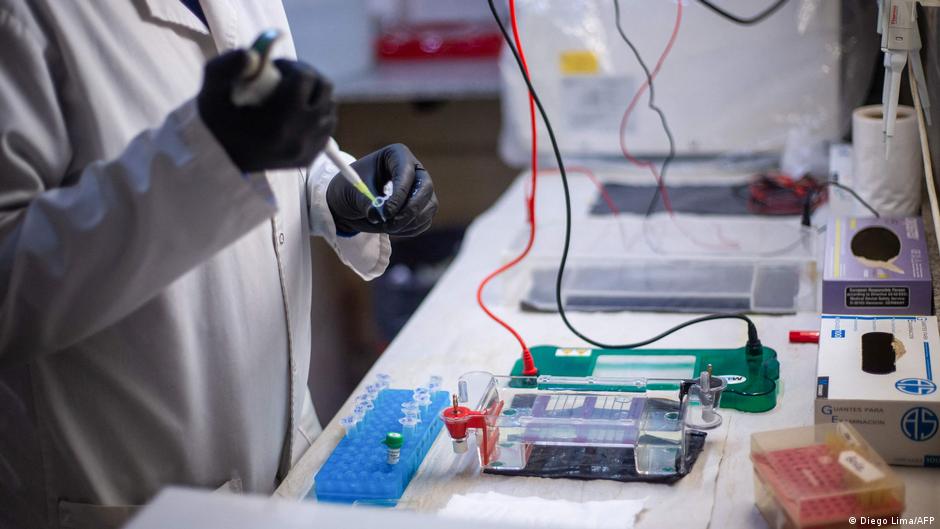
In a coordinated effort to address public health concerns, scientific teams from Argentina and the United States have launched an investigation in Mendoza to identify the reservoir and transmission route of a recent hantavirus outbreak. This viral group, typically transmitted through contact with rodent excreta, has garnered international attention due to the severity of the illnesses it can cause. As researchers mobilize to test local rodent populations, the focus remains on understanding the environmental triggers that may have led to this cluster of cases.
Hantaviruses are a family of viruses primarily carried by rodents, which can lead to serious human illness. According to the Centers for Disease Control and Prevention (CDC), infections often occur through exposure to the urine, droppings, or saliva of infected mice or rats. While the vast majority of cases result from environmental contact, the scientific community is particularly vigilant regarding specific strains, such as the Andes virus, which has documented instances of limited human-to-human transmission.
Understanding Hantavirus Cardiopulmonary Syndrome
In the Americas, the most clinically significant manifestation of a hantavirus infection is known as hantavirus cardiopulmonary syndrome (HCPS). This condition is characterized by a rapid progression that affects both the heart and the lungs. The World Health Organization (WHO) notes that HCPS is a severe respiratory illness with a high case fatality rate, which can reach up to 50% in certain regions. Because there is no specific cure for the virus, medical intervention focuses on early supportive care, including the management of respiratory and cardiac complications in a clinical setting.

The progression of the disease generally follows a two-phase pattern. Initial symptoms often appear between one and eight weeks after exposure to an infected rodent. These early warning signs are frequently non-specific and can include:
- Fever and fatigue
- Muscle aches, particularly in large muscle groups like the thighs, hips, and back
- Headaches and dizziness
- Gastrointestinal distress, such as nausea, vomiting, or abdominal pain
Following this initial phase, which lasts roughly four to ten days, patients may develop more severe respiratory symptoms, including coughing and shortness of breath. The rapid onset of these late-stage symptoms underscores the importance of public health surveillance and the necessity for the ongoing field research currently underway in Argentina.
Field Investigation and Scientific Oversight
The decision to deploy teams to Mendoza represents a critical step in infectious disease containment. By testing local rodent populations, scientists aim to map the specific viral circulation and determine if the current outbreak is linked to a particular species or a shift in rodent behavior. This type of environmental surveillance is essential for developing long-term prevention strategies, as the primary method of avoiding hantavirus remains the reduction of contact between human populations and rodent habitats.
While the investigation continues, health officials emphasize that the majority of human infections are preventable. Key safety measures include ensuring proper ventilation in areas where rodents may be present, using disinfectants for cleaning droppings or nests, and minimizing the risk of aerosolizing viral particles during cleanup efforts. The international collaboration between Argentine and U.S. Researchers highlights the global nature of zoonotic disease management, where localized outbreaks often require shared expertise and standardized diagnostic protocols.
Public Health Guidance and Next Steps
For those living in or traveling to regions where hantaviruses are endemic, vigilance is the most effective defense. Public health authorities generally advise avoiding areas where rodents are known to nest and taking precautions when working in sheds, cabins, or agricultural settings. If an individual experiences symptoms such as fever and muscle aches after potential exposure to rodents, they should seek medical attention immediately and inform healthcare providers of the potential contact.
As the investigation in Mendoza moves forward, the global scientific community awaits further data on the viral strain involved and the scope of the outbreak. Future updates will depend on the findings of these field tests and the subsequent analysis by national health ministries. We will continue to track this situation as official reports are released. In the meantime, we invite our readers to share their thoughts on the role of international scientific cooperation in managing emerging zoonotic threats in the comments section below.