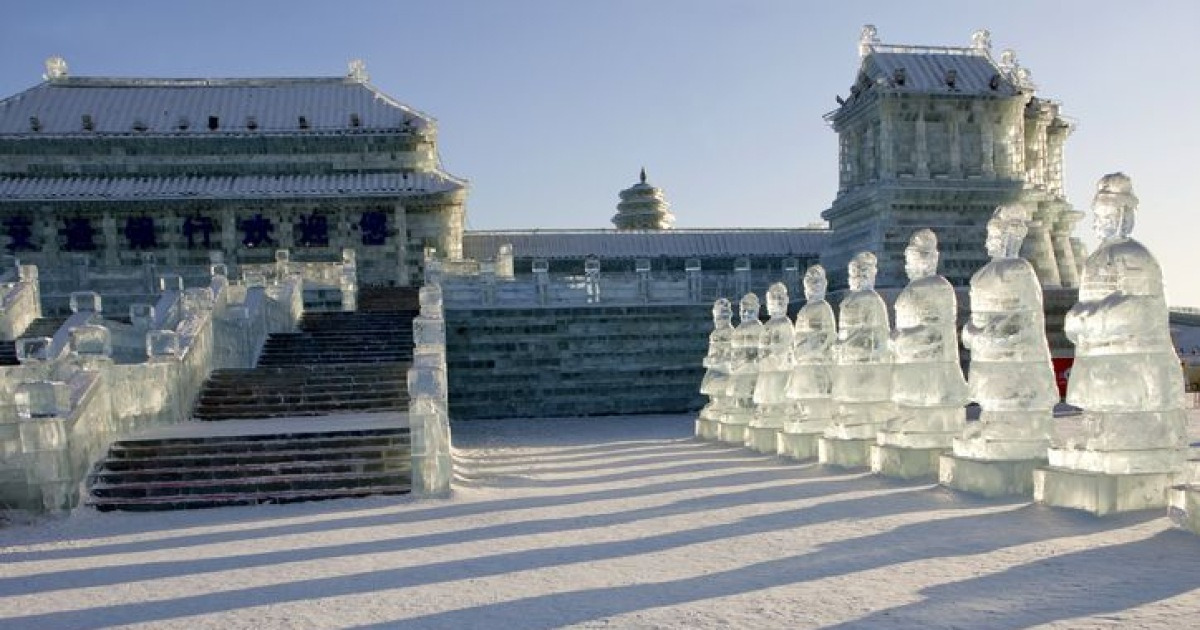
Harbin’s famed Ice and Snow Festival, a major draw for both domestic and international tourists, has temporarily suspended operations due to unseasonably warm weather. The iconic Ice and Snow World, known for its elaborate ice sculptures and winter attractions, closed its gates on February 20th, 2026, and will remain closed until the evening of February 22nd, as rising temperatures threaten the integrity of the ice structures. The unexpected closure underscores the growing challenges climate change poses to winter tourism and seasonal events worldwide.
The decision to halt operations was announced by festival organizers via their official social media channels, citing concerns for visitor safety and the preservation of the festival’s intricate ice displays. According to the announcement, temperatures have risen to 8-9 degrees Celsius (46-48 degrees Fahrenheit) in recent days, a significant departure from the sub-zero conditions necessary to maintain the ice sculptures. The festival organizers stated they plan to reduce ticket prices upon reopening, acknowledging the disruption to visitor plans. This temporary pause highlights the delicate balance between showcasing winter artistry and contending with unpredictable weather patterns.
A Festival Built on Ice: The Scale of Harbin’s Winter Wonderland
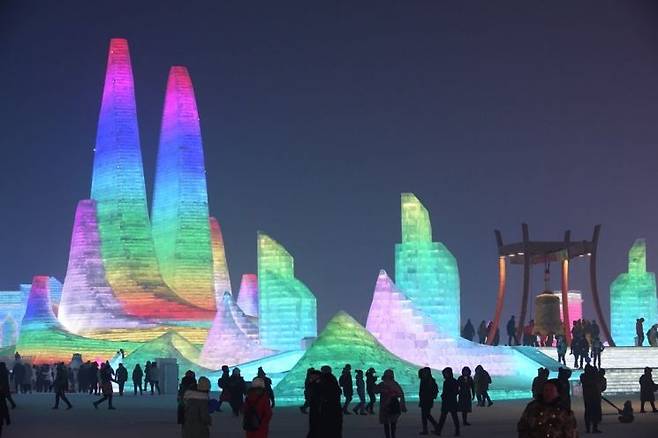
The Harbin Ice and Snow World, established in 1999, has grown into the world’s largest ice theme park, attracting millions of visitors each year. Spanning approximately 120 hectares (nearly 300 acres), the festival utilizes ice sourced from the Songhua River, a major waterway that flows through Heilongjiang province. The construction of the ice structures is a massive undertaking, requiring significant quantities of ice and skilled artisans. According to festival data from 2024-2025, approximately 300,000 cubic meters of ice and snow were used to create the park’s elaborate displays, making it the largest iteration of the festival to date. The festival typically runs from late December to February, relying on consistently cold temperatures to maintain the integrity of the ice sculptures.
The festival’s popularity has surged in recent years, becoming a significant economic driver for Harbin and the surrounding region. The influx of tourists supports local businesses, hotels, and transportation services. However, this success is increasingly vulnerable to the effects of climate change. The recent warm spell is not an isolated incident. fluctuating temperatures and unpredictable weather patterns are becoming more frequent, posing a growing threat to the festival’s long-term viability. The average winter temperature in Harbin typically dips to between -22 and -24 degrees Celsius (-8 to -11 degrees Fahrenheit), but these conditions are no longer guaranteed.
Impact of Rising Temperatures and Safety Concerns
The current closure isn’t solely about aesthetics; safety is a paramount concern. Reports from Chinese media outlet Shangyou News indicate that other ice sculptures in Harbin have also shown signs of melting and cracking, prompting organizers to erect “do not approach” barriers around vulnerable structures. The risk of falling ice poses a direct threat to visitors, necessitating the temporary shutdown. This situation underscores the inherent challenges of building large-scale structures from a material so susceptible to temperature fluctuations.
The warm weather also impacts the logistical challenges of maintaining the festival. The ice used to construct the sculptures is harvested from the frozen Songhua River. Sustained warm temperatures can disrupt this process, making it difficult to replenish the ice supply and repair damaged structures. The festival organizers are closely monitoring the weather forecast, anticipating a return to sub-zero temperatures on February 23rd, which will allow for repairs and a resumption of operations.
The Broader Implications for Winter Tourism
The temporary closure of Harbin’s Ice and Snow World is a stark reminder of the vulnerability of winter tourism to climate change. Similar events around the world, from ski resorts facing snow shortages to ice festivals struggling with melting ice, are becoming increasingly common. The economic consequences of these disruptions can be significant, impacting local communities and national economies. The situation in Harbin serves as a case study for other regions reliant on winter tourism, highlighting the need for adaptation strategies and sustainable practices.
The festival’s organizers are exploring potential mitigation measures, including the use of artificial snowmaking technology and the development of more resilient ice structures. However, these solutions are not without their limitations. Artificial snow requires significant energy and water resources, and the long-term effectiveness of more resilient ice structures remains to be seen. Addressing the root cause of the problem – climate change – is crucial for ensuring the future of winter tourism.
Looking Ahead: A Race Against Time
As of February 21st, 2026, the Harbin Ice and Snow World remains closed, with a planned reopening scheduled for 5:00 PM on February 22nd, contingent on a return to colder temperatures. Festival organizers have indicated they intend to adjust ticket prices to compensate visitors for the disruption. The coming days will be critical in determining the extent of the damage to the ice sculptures and the feasibility of a full recovery. The situation serves as a potent symbol of the challenges facing winter attractions in a warming world.
The long-term future of the Harbin Ice and Snow World, and similar events, will depend on a combination of factors: continued investment in adaptation measures, a global commitment to reducing greenhouse gas emissions, and a willingness to embrace innovative solutions. The festival’s ability to navigate these challenges will not only determine its own survival but also serve as a bellwether for the future of winter tourism worldwide.
What are your thoughts on the impact of climate change on winter tourism? Share your comments below, and please share this article with your network.