
Healthcare-associated infections (HAIs) represent a significant concern for patient safety globally, and as June marks Men’s Health Month, it is an essential time to examine how these infections affect male patients. An HAI is an infection that a patient acquires while receiving care in a medical facility, such as a hospital, nursing home, or rehabilitation center, which was not present or incubating at the time of admission. According to the Centers for Disease Control and Prevention (CDC), these infections remain a leading cause of patient harm, often involving complications from surgical procedures, invasive devices, or antibiotic-resistant bacteria.
The risk profile for men in clinical settings is influenced by a variety of biological and behavioral factors. While clinical research often examines trends across gender lines, it is important to recognize that individual health outcomes are shaped by a complex interplay of anatomy, hormonal profiles, and specific medical histories. For patients and their caregivers, understanding these risks is the first step toward advocating for safer care and achieving better health outcomes during and after a hospital stay.
Understanding HAI Risks in Clinical Settings
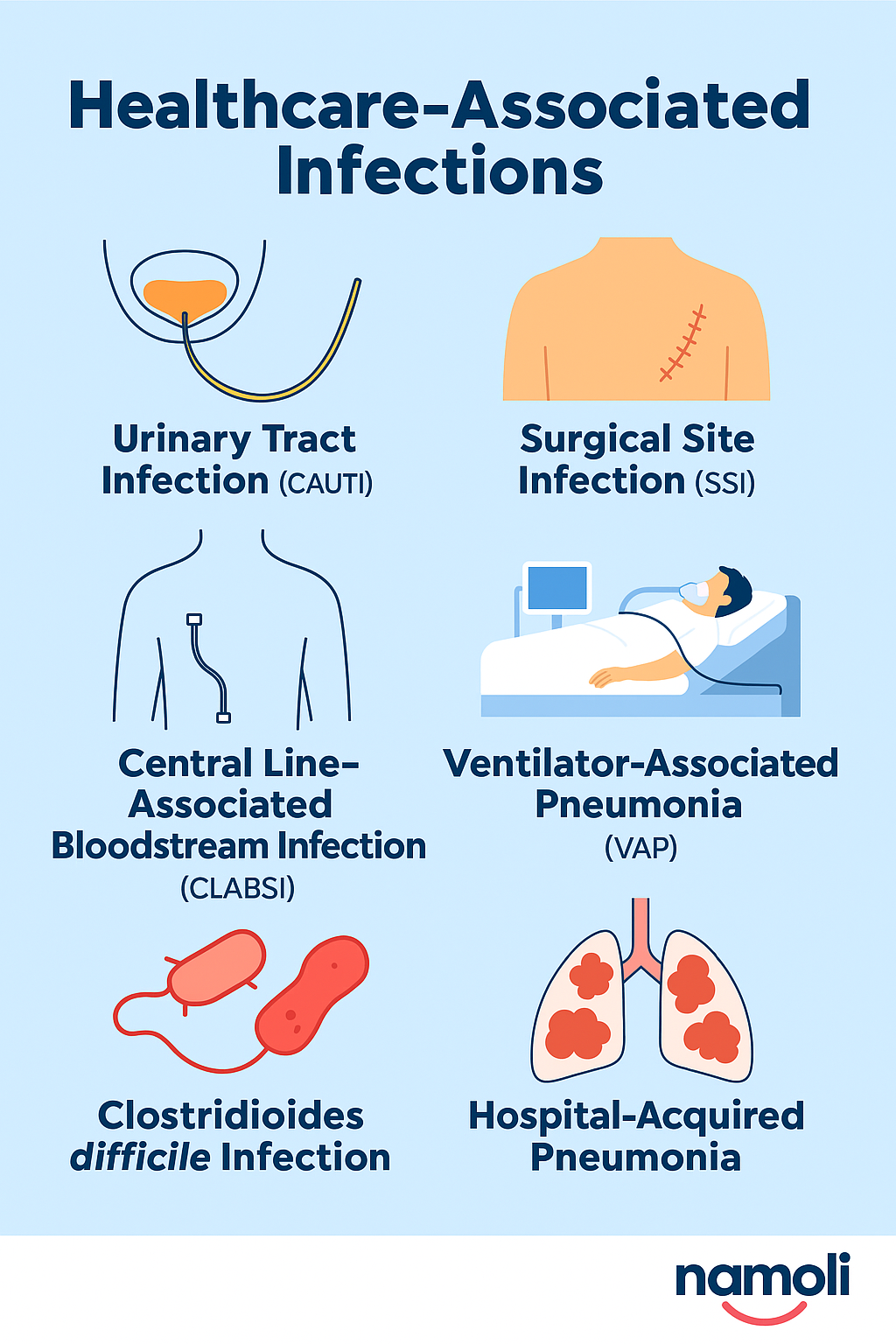
Healthcare-associated infections most commonly manifest as bloodstream infections, surgical site infections, or urinary tract infections, particularly when medical devices are involved. For men, the presence of urinary catheters or other invasive hardware is a documented risk factor for developing infections. The CDC emphasizes that the prevention of these infections relies heavily on strict adherence to aseptic techniques, timely removal of invasive devices when they are no longer medically necessary, and rigorous hand hygiene by both healthcare staff and visitors.
Beyond device-related risks, men are frequently admitted for procedures that carry inherent infection risks, such as orthopedic surgeries or cardiac interventions. In these environments, the hospital’s infection control protocols serve as the primary line of defense. Patients are encouraged to be proactive; this includes asking medical teams about the necessity of invasive devices and ensuring that all healthcare workers sanitize their hands before performing any examinations or procedures.
The Role of Preventative Strategies
Knowledge is a vital tool for patients and their families. When a patient is admitted to a facility, the focus should be on clear communication with the clinical team regarding infection prevention. The World Health Organization (WHO) outlines that improved environmental sanitation and the rational use of antibiotics are cornerstones of lowering HAI rates. For male patients, particularly those managing chronic conditions that may require frequent hospital visits, maintaining an up-to-date vaccination record and discussing the risks of antibiotic resistance with their primary physician can provide an additional layer of protection.
It is also important to consider the impact of comorbid conditions. Conditions such as diabetes or immune-compromising disorders can make a patient more susceptible to infections. Managing these underlying health issues effectively before and during a hospital stay can significantly lower the risk of post-procedural complications.
Advocating for Safer Care
Patient advocacy is not merely about asking questions; it is about ensuring that the care environment remains focused on safety. Caregivers play a crucial role in monitoring the patient’s condition and observing changes that might indicate an emerging infection, such as fever, localized redness, or increased pain at a surgical site. If you suspect an infection, reporting these symptoms to the nursing staff immediately is critical for early intervention.
Facilities are required to track infection data and report these to public health authorities to ensure transparency and continuous improvement in safety standards. Patients can often access information regarding a facility’s safety ratings through official government portals, such as the Medicare Care Compare tool, which provides data on hospital performance and infection prevention metrics.
What Happens Next
The landscape of infection prevention continues to evolve as medical research identifies new ways to combat resistant pathogens. The next major update in public health guidance regarding hospital infection control is expected to be released by the CDC in their periodic review of core components for infection prevention and control programs. Patients should continue to consult their primary care providers for personalized health advice and stay informed through official updates from national health departments.
Understanding these risks empowers men to take a more active role in their healthcare journey. Have you or a loved one had questions about hospital safety? We encourage you to share your experiences in the comments below and continue this important conversation about health and patient advocacy.