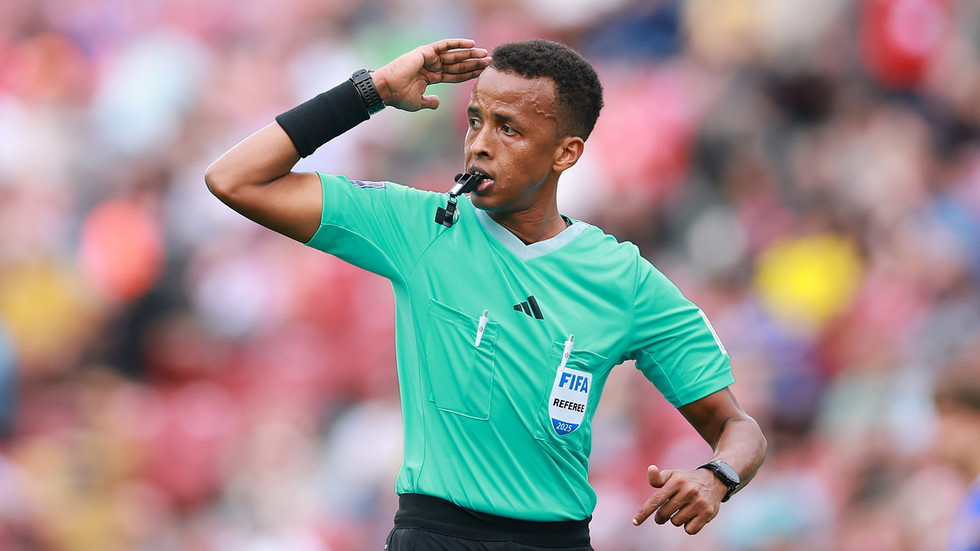
Somali Referee Omar Artan Denied US Entry Despite Valid Visa
Omar Artan, the Somali referee poised to become the first official from his nation to participate in a FIFA World Cup, was denied entry to the United States at Miami International Airport this past weekend. Despite holding a valid US travel visa, Artan was reportedly turned away and has since returned to Istanbul, Türkiye, where he has been based in recent months.
The incident has sparked significant concern within the international football community as the 2026 FIFA World Cup approaches. The tournament, which will be co-hosted by the United States, Mexico, and Canada, is facing early scrutiny regarding entry policies and the ability of international participants to navigate shifting US travel regulations.
Why was Omar Artan denied entry to the United States?
While specific reasons for the denial have not been officially clarified by US immigration authorities, the incident occurred despite Artan possessing a valid travel visa. The refusal at Miami International Airport has left the referee unable to fulfill his upcoming professional obligations on US soil. Reports indicate that Artan was forced to depart the country and return to his recent base in Istanbul.
The lack of clarity surrounding the denial has drawn attention to the complexities of US border enforcement. For high-profile international officials, the sudden denial of entry—even with proper documentation—presents a significant logistical and professional hurdle, particularly when tied to major global sporting events.
How does the US travel ban impact Somali officials?
The denial of Artan’s entry coincides with a broad travel ban on Somali nationals imposed by the Trump administration. This policy has created a challenging environment for Somali citizens and officials attempting to travel to the United States for professional, diplomatic, or personal reasons.

The restrictions have placed a spotlight on how immigration policies may intersect with the operational requirements of international organizations like FIFA. As the 2026 World Cup prepares to host a diverse array of global talent, the impact of these travel bans on the participation of officials from restricted nations remains a pressing issue for organizers.
What is the reaction from the Somali government?
Somali authorities have reacted strongly to the news, calling for international solidarity and expressing concern over the implications for the spirit of sport. Ciise Aden Abshir, a senior adviser to Somalia’s Ministry of Youth and Sports and a former national team captain, issued a statement regarding the incident.
“Omar Artan is among Africa’s most respected referees and deserves the support of the entire football community,” Abshir said. He emphasized that the decision to prevent Artan from officiating scheduled matches carries consequences beyond the individual, stating, “Denying him entry to the United States and preventing him from officiating scheduled matches harms not only him personally but also undermines football’s commitment to fairness, merit, and the spirit of fair play.”
What is Omar Artan’s professional background?
Artan is a highly accomplished official whose career has been marked by significant milestones in African and international football. He has served as a FIFA referee since 2018 and was recognized as Africa’s best referee last year. His expertise has been showcased on major stages, including his participation in the 2025 Under-20 World Cup.
His selection to officiate at the 2026 FIFA World Cup finals was intended to be a historic moment, marking the first time a Somali national would take part in the tournament’s officiating crew. His experience and reputation as one of the continent’s top officials were central to his appointment to the world stage.
What are the implications for the 2026 FIFA World Cup?
The incident involving Artan raises critical questions about the accessibility and inclusivity of the upcoming World Cup. With the United States serving as a primary host, the ability of international referees, players, and staff to secure entry is vital to the tournament’s success.
As the football world looks toward 2026, the intersection of geopolitical travel policies and the requirements of international sports governance will likely remain a focal point. The ability of governing bodies to ensure that merit-based selections are not undermined by entry restrictions will be a key test for the tournament’s organizers.
Key Takeaways
- Official: Omar Artan, a highly decorated Somali FIFA referee.
- Incident: Denied entry at Miami International Airport despite a valid US visa.
- Current Location: Returned to Istanbul, Türkiye.
- Context: Broad US travel restrictions currently affecting Somali nationals.
- Significance: Artan was set to be the first Somali referee at a FIFA World Cup.
FIFA and US immigration officials have not yet provided a formal response regarding the specific circumstances of Artan’s denial. We will continue to monitor official updates as more information becomes available.
What are your thoughts on how travel policies affect international sporting events? Share your comments below and share this story to keep the conversation going.
Related reading
- Hungary opens fairy tale themed 4.5-hectare corn maze for visitors to explore
- Austrālijas politiķis tiešraides intervijas laikā uzkliedz sunim – Lasi.lv
- Trump’s Luxury Air Force One: Rushed Retrofit Raises Safety and Cost Concerns (archynewsy.com)
- Trump Threatens Iran as Houthi Tanker Attacks Push Oil Prices Above $100 (time.news)