
The Rising Link Between Metabolic Syndrome and Cancer Risk
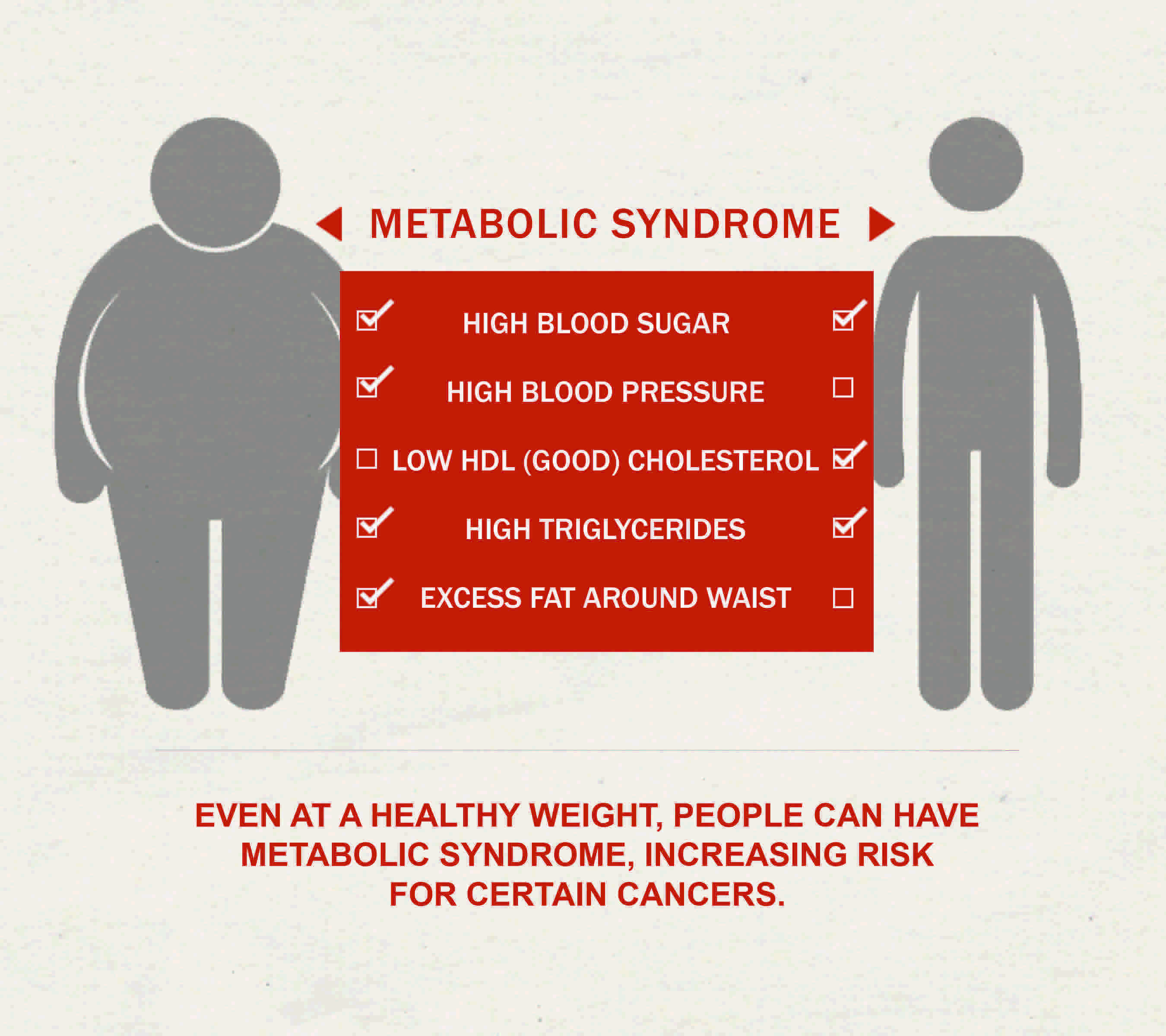
A growing body of research highlights a concerning connection between metabolic syndrome – a cluster of conditions including high blood pressure, elevated blood sugar, and abnormal cholesterol levels – and an increased risk of developing cancer. Recent studies, including research conducted by a team at the University of Tokyo, demonstrate a clear correlation: as the severity of metabolic syndrome increases, so too does the likelihood of a cancer diagnosis. This isn’t simply a matter of lifestyle factors; the underlying biological mechanisms linking these conditions are becoming increasingly understood, offering potential avenues for both prevention and improved cancer treatment strategies.
Metabolic syndrome, formally defined as a combination of cardiovascular, renal, and metabolic disorders, is characterized by systemic inflammation, insulin resistance, and oxidative stress. The American Heart Association (AHA) proposed the concept recognizing the interconnectedness of these conditions. The syndrome is categorized into five stages, ranging from stage 0 – where no risk factors are present – to stage 4, representing a clinically severe and diagnosed condition. Understanding these stages is crucial for assessing individual risk and implementing targeted interventions.
Understanding the Stages of Metabolic Syndrome
The progression of metabolic syndrome is defined by the presence and severity of risk factors. Here’s a breakdown of each stage:
- Stage 0: No risk factors are present. This represents a state of metabolic health.
- Stage 1: Risk factors such as obesity, hypertension, and dyslipidemia are present, but no clear organ damage has occurred.
- Stage 2: Early metabolic abnormalities are detected, including impaired fasting glucose and hyperinsulinemia.
- Stage 3: Actual disease manifestations begin to appear, such as left ventricular hypertrophy or a decrease in glomerular filtration rate.
- Stage 4: A clear diagnosis of a related disease is established, indicating a clinically severe stage of the syndrome.
The University of Tokyo study, which tracked nearly 1.4 million adults for an average of 3.5 years using data from the Japanese National Health Insurance system, provides compelling evidence of the escalating risk. Researchers collected data on weight, body mass index (BMI), blood pressure, kidney function indicators, blood glucose levels, and lifestyle habits. The findings revealed a significant increase in cancer incidence with each advancing stage of metabolic syndrome.
Increased Cancer Risk with Advancing Stages
The research demonstrated a dose-response relationship between metabolic syndrome stage and cancer risk. Individuals in stage 3 of the syndrome faced a 25% higher risk of developing cancer, while those in stage 4 experienced a 30% increase. This underscores the importance of early detection and management of metabolic risk factors. The study’s findings are particularly relevant given the global rise in obesity and related metabolic disorders.

Specifically, the study identified increased risks for several cancer types, including colorectal, gastric, lung, renal pelvic and ureteral, pancreatic, non-Hodgkin lymphoma, bladder, liver, kidney, thyroid, leukemia, and gallbladder cancers. This broad spectrum of associations suggests that the underlying mechanisms linking metabolic syndrome to cancer are not limited to a single pathway or organ system.
The Biological Mechanisms at Play
The connection between metabolic syndrome and cancer isn’t merely correlational; several biological mechanisms explain this link. Insulin resistance, a hallmark of metabolic syndrome, promotes cancer cell growth and proliferation. Elevated insulin levels can act as a growth factor for cancer cells, stimulating their division and inhibiting apoptosis (programmed cell death). Chronic inflammation, another key feature of metabolic syndrome, creates a tumor-promoting microenvironment, fostering angiogenesis (the formation of modern blood vessels that feed tumors) and immune suppression.
oxidative stress, resulting from an imbalance between the production of reactive oxygen species and the body’s antioxidant defenses, can damage DNA and contribute to genomic instability, increasing the risk of mutations that drive cancer development. Adipose tissue, particularly visceral fat, is not merely a storage depot for energy; it’s an active endocrine organ that releases inflammatory cytokines and hormones that contribute to systemic inflammation and insulin resistance.
Implications for Cancer Prevention and Treatment
These findings have significant implications for both cancer prevention and treatment. Lifestyle modifications, including weight management, regular physical activity, and a healthy diet, are crucial for preventing and managing metabolic syndrome. Dietary strategies focusing on blood sugar control, such as consuming cooled rice or rice prepared using low-glycemic index methods, can be beneficial. The World Health Organization recommends limiting sugar intake to less than 25 grams per day, regardless of diabetes status, and this is particularly important for cancer patients.
For cancer patients, managing blood sugar levels is paramount. High blood sugar can impair the effectiveness of cancer treatments, such as radiation therapy, by damaging blood vessels within tumors and creating a hypoxic environment that renders cancer cells resistant to treatment. Research from Kyung Hee University Hospital has shown that patients with lower blood glucose levels had lower rates of recurrence and higher survival rates following radiation therapy.
Addressing metabolic syndrome in cancer patients can also improve their overall quality of life and reduce the risk of treatment-related complications. A holistic approach that integrates nutritional support, exercise, and stress management is essential for optimizing patient outcomes.
The Importance of Blood Sugar Management in Cancer Patients
The link between blood sugar and cancer extends beyond treatment efficacy. Cancer treatment itself, particularly chemotherapy and the use of steroids to manage allergic reactions, can often elevate blood glucose levels. The psychological stress associated with a cancer diagnosis and treatment can trigger the release of cortisol, a hormone that interferes with insulin action and raises blood sugar. Approximately 35-44% of cancer patients experience distress, according to research from University College London, which can exacerbate these metabolic disturbances.
Maintaining stable blood sugar levels can help mitigate these effects, improve treatment tolerance, and enhance the body’s natural defenses against cancer. Focusing on a diet low in refined carbohydrates and added sugars, combined with regular physical activity, can help regulate blood glucose and support overall health.
The growing evidence linking metabolic syndrome and cancer underscores the importance of a proactive approach to health. Early detection and management of metabolic risk factors, coupled with a comprehensive cancer prevention strategy, can significantly reduce the burden of this devastating disease. Further research is needed to fully elucidate the complex interplay between metabolic dysfunction and cancer development, paving the way for more targeted and effective interventions.
As research continues to unravel the complexities of this relationship, staying informed about your metabolic health and adopting a preventative lifestyle remain crucial steps in reducing your cancer risk. Consult with your healthcare provider to assess your individual risk factors and develop a personalized plan for maintaining optimal health.
Next Steps: Researchers are currently investigating the potential of targeted therapies that address the metabolic abnormalities driving cancer growth. Expect further updates on these developments in the coming months. Share your thoughts and experiences in the comments below, and don’t hesitate to share this article with your network.