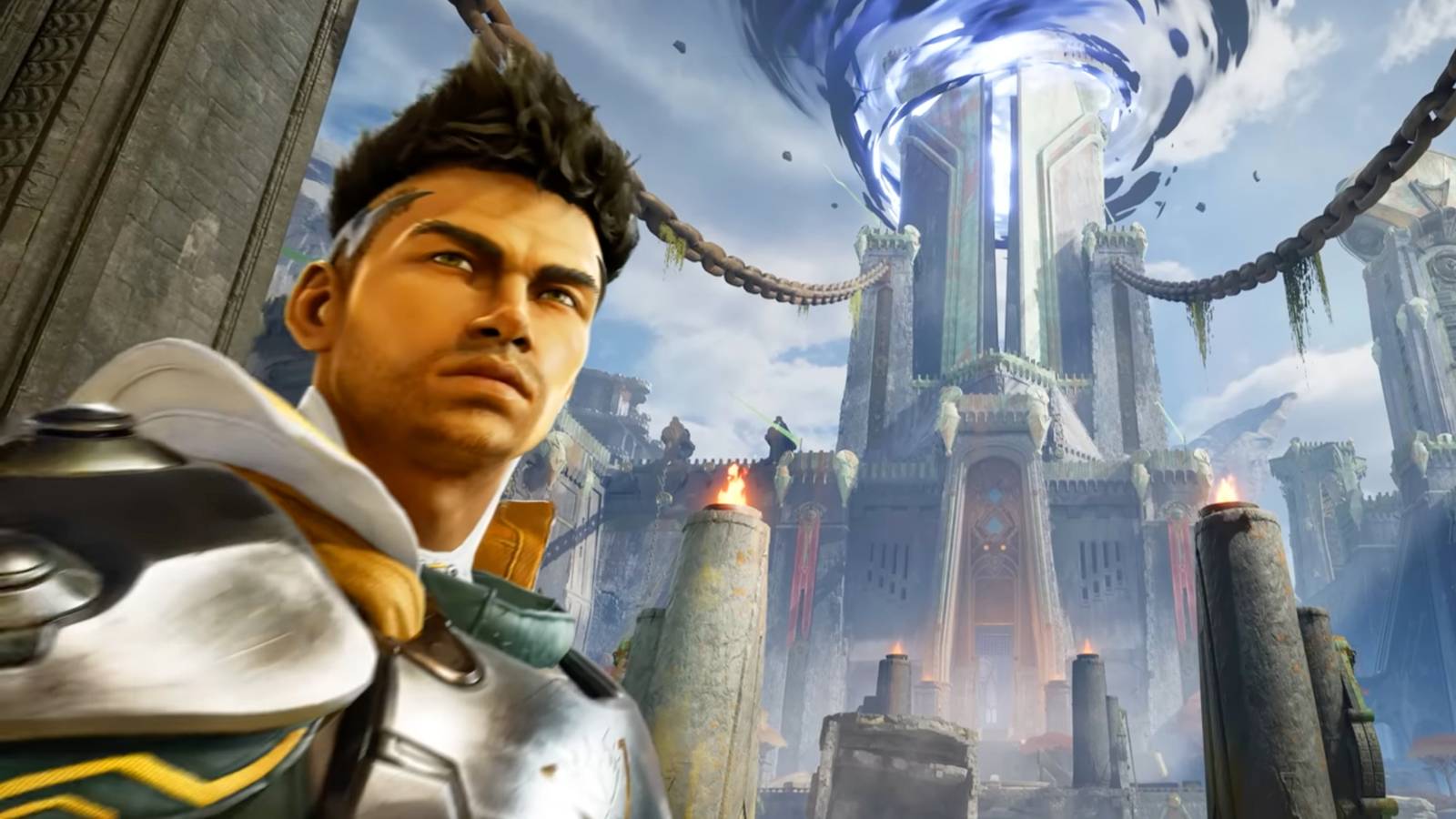
The burgeoning world of live-service games continues to see a high rate of attrition, with yet another title falling by the wayside. Highguard, the free-to-play “raid shooter” from Wildlight Entertainment, is set to shut down permanently on March 12, 2026, just over two months after its initial release. The game’s demise underscores the challenges facing developers attempting to establish a foothold in the increasingly competitive live-service market, where sustained player engagement is paramount.
Wildlight Entertainment announced the impending closure on Tuesday, citing an inability to cultivate a “sustainable player base.” In a statement posted on X, the studio expressed gratitude for the support received but acknowledged the tricky decision. “Despite the passion and hard work of our team, we have not been able to build a sustainable player base to support the game long term,” the statement read. “Servers will remain online until March 12th. We hope you’ll jump in with us one more time to demonstrate your support and get those final great matches in although we still can.” A final update, including a new Warden, a new weapon, account progression features, and skill trees, will be rolled out before the servers are permanently switched off.
The story of Highguard is one of shifting strategies and unmet expectations. Initially envisioned as a surprise launch mirroring the success of Apex Legends in 2019, Wildlight ultimately opted to unveil the game at The Game Awards 2025, a decision founder and CEO Dusty Welch later described as “maybe a little risky in hindsight.” The game officially launched on January 26, 2026, following weeks of relative silence from the developer, a period that raised concerns among potential players, as noted by Forbes.
A Rocky Start and Rapid Decline
Highguard initially attracted a significant influx of players, peaking at nearly 100,000 concurrent users on Steam upon release. Still, this initial surge proved unsustainable. Within the first weekend, the player base dwindled to just over 15,000, and by a month after launch, concurrent players on Steam had plummeted to barely 1,000, according to data from SteamDB. This rapid decline highlighted a critical issue: retaining players beyond the initial curiosity phase.
Wildlight attempted to address player concerns and revitalize engagement through a series of updates. A 5v5 mode was added shortly after launch and later made permanent in response to feedback that the game lacked sufficient action. Subsequent updates introduced new Wardens – the game’s equivalent of playable heroes – and tweaks aimed at improving match flow. In February, another 5v5 mode was implemented, streamlining matches by removing the preparation and looting phases. Despite these efforts, the player base continued to shrink, falling below 500 concurrent users on Steam in the days leading up to the shutdown announcement.
The game’s core design as well drew criticism. Reviewers, including those at Polygon, pointed to an overabundance of ideas and a lack of cohesive gameplay. “At its core, this is a first-person shooter where two teams of three duke it out to destroy their opponent’s base, MOBA-style,” the review stated. “However, there’s Rainbow Six Siege-style base fortifications, Overwatch-style hero abilities, survival game-inspired resource mining and gathering, vendor trading, and more. Together, it culminates in awkward pacing, despite the foundational FPS elements clearly showing the expertise of the team behind the game.”
Layoffs and Funding Concerns
The struggles of Highguard extended beyond gameplay issues. Just two weeks after launch, Wildlight Entertainment underwent significant layoffs, impacting the majority of its staff. A developer who was let go claimed the layoffs were a direct result of financial backer Tencent pulling its funding, as reported by Bloomberg. According to the report, staff were led to believe that continued funding was contingent on achieving specific performance metrics, particularly player retention, which the game failed to reach.
The failure of Highguard is emblematic of the risks inherent in the live-service model. These games require substantial ongoing investment in content updates, community management, and server maintenance to maintain player interest. Without a consistently engaged player base, the financial burden can quickly become unsustainable. The game’s short lifespan serves as a cautionary tale for other developers venturing into this increasingly crowded space.
The Broader Context of Live-Service Failures
Highguard is not an isolated case. The live-service landscape is littered with the remnants of ambitious projects that failed to gain traction. The genre demands a delicate balance between compelling gameplay, consistent content delivery, and effective community engagement. Many factors can contribute to a game’s downfall, including technical issues, unbalanced gameplay, lack of innovation, and simply failing to capture the attention of a discerning audience. The recent shutdown of Highguard adds to a growing list of examples, highlighting the challenges of building and maintaining a successful live-service title.
The initial plan for Highguard’s launch was to mirror the surprise release strategy employed by Apex Legends in 2019. However, the developers ultimately accepted an offer from Geoff Keighley to announce the game at The Game Awards 2025. This decision, as Wildlight founder Dusty Welch acknowledged, may have been a misstep. The prolonged period between the announcement and the eventual launch, coupled with a lack of communication, may have dampened initial enthusiasm.
Despite the passion and hard work of our team, we have not been able to build a sustainable player base to support the game long term. Servers will remain online until March 12th. We hope you’ll jump in with us one more time to show your support and get those final great matches in while we still can. https://t.co/2IuXxR5kff
— Highguard (@PlayHighguard) March 3, 2026
As the March 12th shutdown date approaches, players have a limited window to experience Highguard one last time. The final update promises to add some new content, but it’s unlikely to alter the game’s ultimate fate. The story of Highguard serves as a stark reminder of the volatility of the gaming industry and the immense challenges faced by developers striving to create lasting success in the competitive world of live-service games.
The next key date for those following the story is March 12, 2026, when the Highguard servers will be permanently taken offline. Players interested in sharing their experiences or offering feedback are encouraged to engage with the game’s community on platforms like X before the final shutdown.
Worth a look