The landscape of marriage is evolving, and for many, the traditional blueprint no longer applies. Across generations, particularly among Millennials and Gen Z, the expectations and priorities surrounding long-term commitment are shifting. This is especially true within the Black community, where a new emphasis on individual fulfillment, open communication, and evolving gender roles is reshaping the institution of marriage. Recent data suggests a strong desire for marriage persists, but the path to “I do” and the structure of the union itself are being redefined. A 2025 survey by BLK, a dating app for Black singles, revealed that 81% of respondents expressed interest in marriage, but simultaneously desired to move away from traditional gender roles within the relationship.
This desire for a modern approach to marriage isn’t about rejecting the idea of commitment, but rather about creating partnerships built on equality, mutual respect, and a willingness to challenge societal norms. The emphasis is shifting from fulfilling prescribed roles to building a life together based on shared values and individual aspirations. Couples are increasingly prioritizing emotional intimacy, open communication, and a shared vision for the future, even as also embracing flexibility and adaptability as life unfolds. This evolving dynamic is reflected in a growing openness to couples therapy and alternative family structures, signaling a willingness to seek support and embrace non-traditional paths to building a family.
Redefining Roles and Expectations in Modern Black Marriage
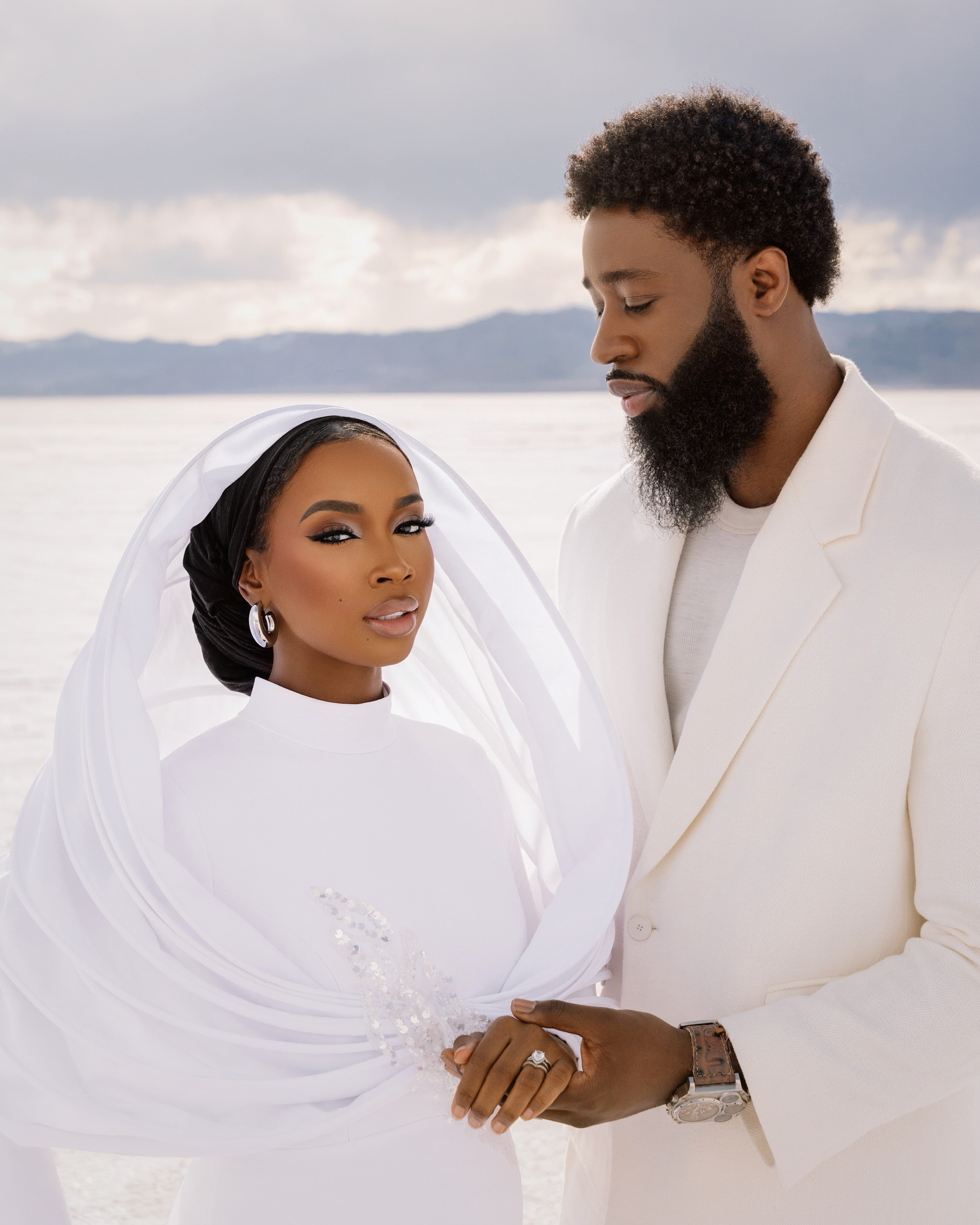
For Aïssata Diallo and Ali Camara, who have been married for over four years, the foundation of their union lies in a shared commitment to partnership and a rejection of rigid expectations. Diallo, 31, explained, “Growing up, marriage felt very idealized, almost static. Now I see it as fluid—it shifts with seasons, growth, and life changes, and that’s what makes it meaningful.” This perspective reflects a broader trend among younger couples who view marriage not as a fixed destination, but as a continuous journey of growth and adaptation. Camara, 32, echoed this sentiment, stating, “When we stopped measuring ourselves against outside expectations, we realized our marriage didn’t demand to look traditional to be strong. It just needed to be honest and aligned with who we are.”
The couple emphasizes the importance of building a marriage based on family, respect, and faith, while actively rejecting gendered expectations. This approach allows them to navigate life’s challenges with a sense of shared responsibility and mutual support. Their story highlights a growing trend of couples prioritizing emotional connection and shared values over adhering to traditional roles. This shift is particularly significant as societal expectations around gender roles continue to evolve, allowing individuals to define their own paths within a marriage.
Navigating Challenges and Prioritizing Connection
The path to a fulfilling marriage isn’t always seamless. Timothy and Nicole Sparks, married for 15 years, experienced the challenges of navigating a long-distance relationship early in their marriage, as Nicole began medical school shortly after their wedding. “Having a very demanding career requires a spouse who not only understands but supports you wholeheartedly,” explained Nicole, an OB-GYN physician. Their experience underscores the importance of mutual support and understanding in navigating the demands of modern life. The couple emphasizes that intentionality and unwavering support are key to longevity in their relationship. “We have a unique and wonderful marriage…it’s basically a whole bunch of puzzle pieces that are scattered, and ultimately we’re working the pieces together,” said Timothy, 42.
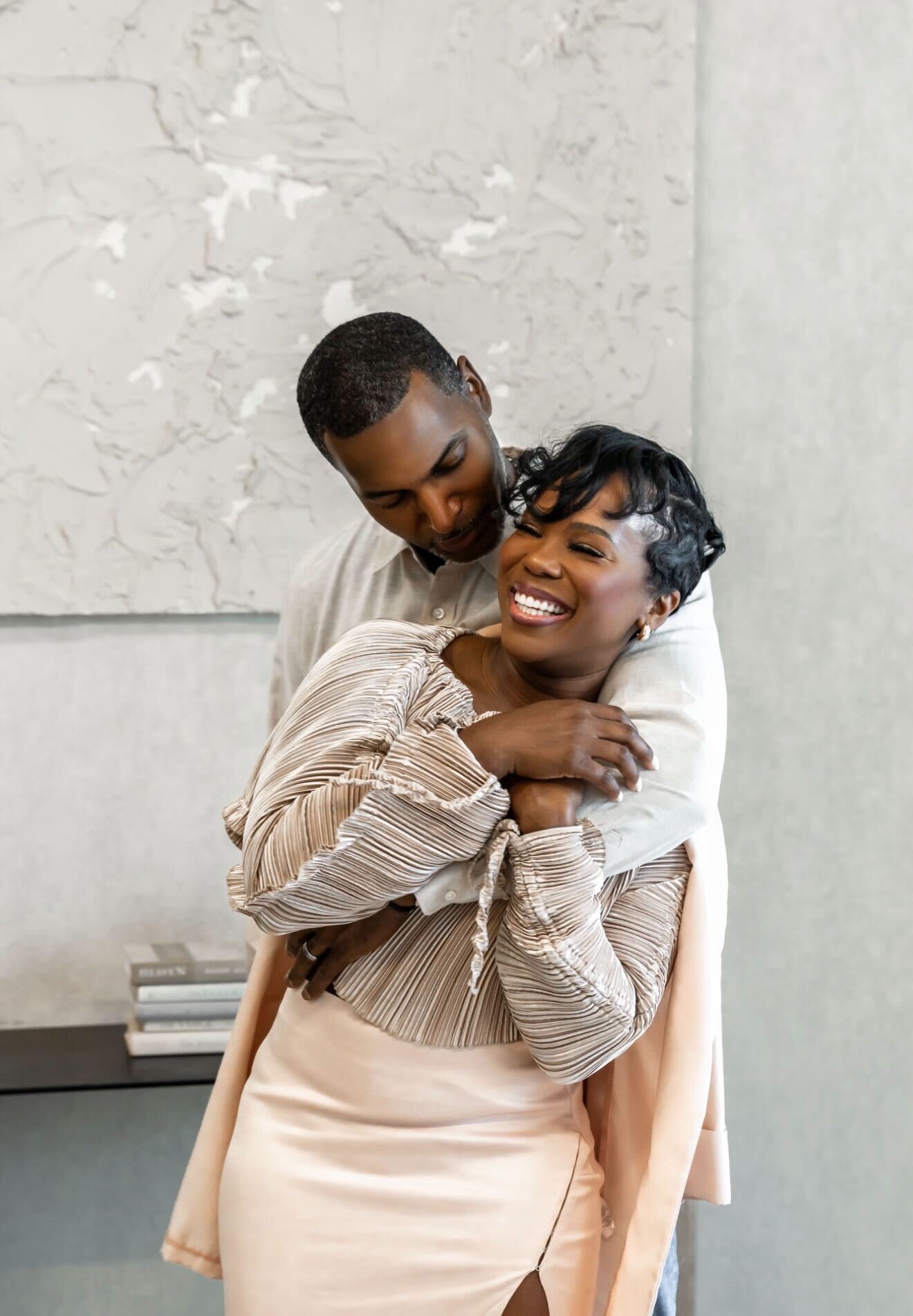
Beyond navigating career demands, the Sparks have also focused on transforming their approach to conflict resolution. Nicole, 40, noted, “We try not to yell because then the message gets lost in the tone of your voice.” This emphasis on respectful communication reflects a broader trend of couples prioritizing emotional intelligence and active listening in their relationships. Timothy added, “The hardest part was learning how to really listen [to each other]. I realized time always reveals the truth, but the ultimate question is, once time does it—how do you respond to it?” This highlights the importance of vulnerability and a willingness to learn and grow together as a couple.
Vulnerability and Intentionality: The Cornerstones of New Unions
For Chandler and Lauryn Metcalf, newlyweds married for nearly two years, vulnerability and intentionality are at the heart of their relationship. “Sharing honestly about our feelings can be intimidating, but we understand from experience that true vulnerability only deepens trust,” said Chandler, 24. Their commitment to open communication and emotional honesty reflects a growing trend among younger couples who prioritize authenticity and connection. Lauryn, 24, added, “People can honestly say there’s never been a conflict that we haven’t emerged more connected with each other.”
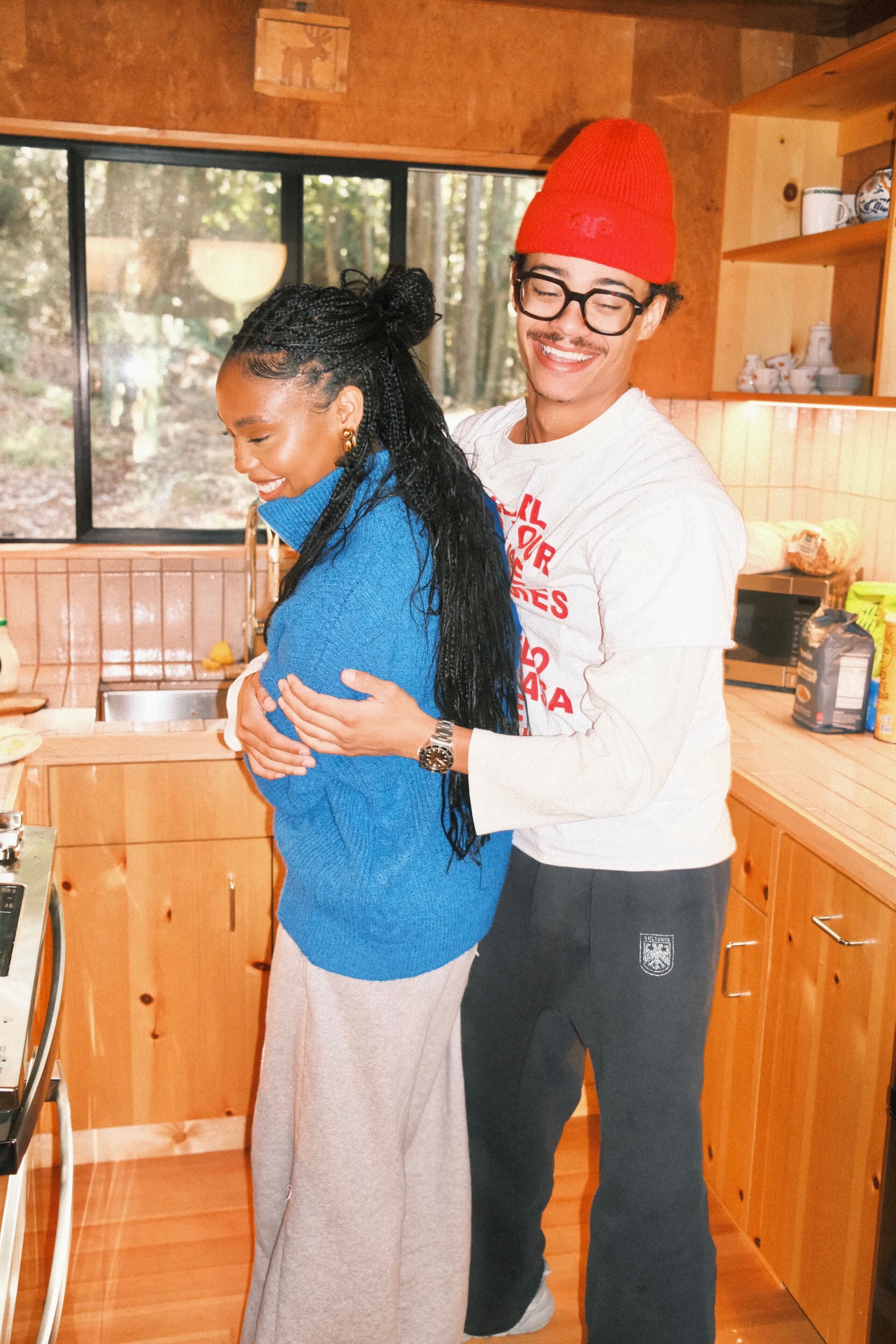
The Metcalfs proactively discussed their expectations for marriage before tying the knot, drawing from both their own desires and observations of other relationships. “While we were dating, we would talk through all the things we wanted in a marriage,” Lauryn explained. “There were things we took and things we decided to leave from not just our parents’ marriages but the marriages we had seen through friends and family.” This proactive approach to defining their own marital framework demonstrates a commitment to building a partnership that aligns with their individual values and aspirations. They emphasize that marriage is not a static event, but a daily choice to prioritize love and connection. Like many couples, they acknowledge a history of negative narratives surrounding Black love, but are actively choosing to represent a positive and fulfilling vision of marriage.
The Evolving Definition of Family
The BLK survey also revealed a growing openness to modern family structures. 71% of respondents indicated they are open to co-parenting or single-parent households, reflecting a shift away from the traditional two-parent model. The State of Black Singles report further highlighted that 53% of respondents don’t want children or are undecided about having them. This data suggests a broader societal trend of individuals prioritizing personal fulfillment and delaying or foregoing parenthood. This evolving definition of family reflects a growing acceptance of diverse family structures and a willingness to prioritize individual choices and circumstances.
The couples interviewed echoed this sentiment, emphasizing the importance of creating a family dynamic that works for them, regardless of societal expectations. This includes prioritizing open communication, shared responsibility, and a commitment to creating a supportive and loving environment for all family members, whether that includes children, extended family, or chosen family.
As societal norms continue to evolve, the definition of marriage will undoubtedly continue to adapt. The emphasis on intentionality, vulnerability, and a willingness to challenge traditional expectations suggests a future where marriage is less about conforming to prescribed roles and more about creating authentic, fulfilling partnerships built on mutual respect and shared values. The ongoing conversations surrounding Black love and marriage, as evidenced by reports like the BLK “State of Black Singles” report, are crucial for fostering a more inclusive and nuanced understanding of commitment and family in the 21st century. Further research into evolving relationship dynamics and family structures will be released by BLK in late 2026.
What are your thoughts on the evolving landscape of marriage? Share your perspectives in the comments below, and don’t forget to share this article with your network.