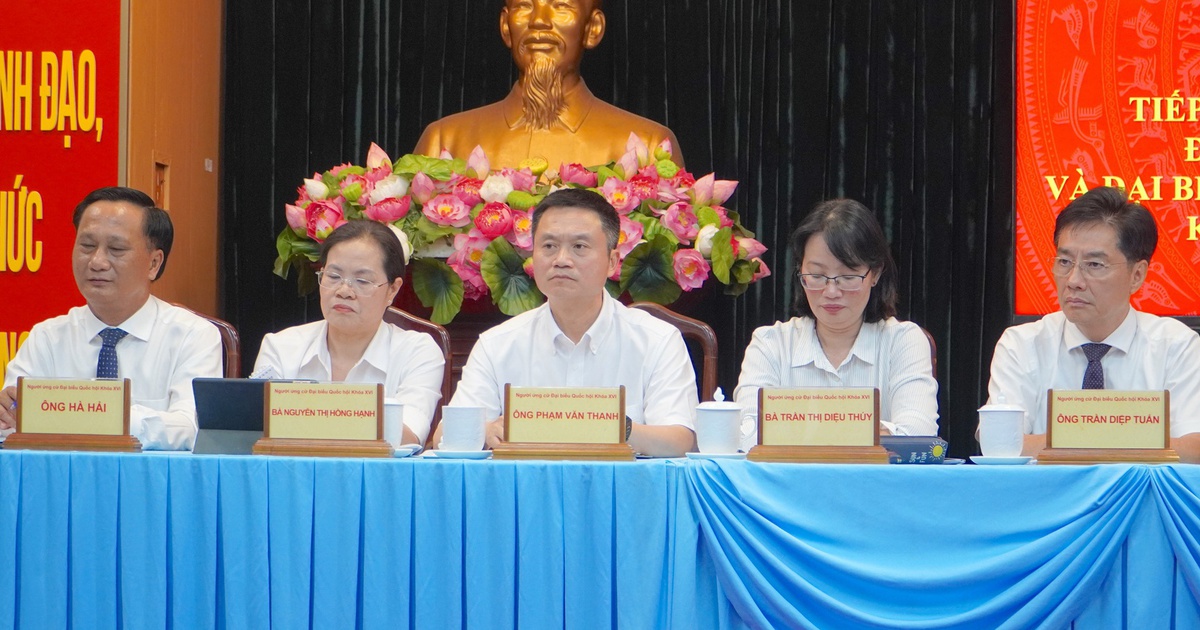
Vietnamese Voters Seek Reforms and Improved Services from Lawyer, Doctor, and City Justice Official
As Vietnam prepares for parliamentary elections, citizens in Ho Chi Minh City are voicing their expectations for candidates representing diverse professional backgrounds. Voters are looking to lawyer Ha Hai, physician Tran Diep Tuan, and other contenders to address pressing issues ranging from bureaucratic inefficiencies to healthcare quality and access to legal support. The upcoming elections, specifically within the 10th constituency of Ho Chi Minh City, are seen as a crucial opportunity to drive positive change and improve the lives of residents.
The focus on candidates with backgrounds outside traditional politics reflects a growing desire for pragmatic solutions and a more responsive government. Voters are hoping that individuals with direct experience in law, medicine, and public administration will bring a fresh perspective to the National Assembly and the Ho Chi Minh City People’s Council. This election cycle is particularly significant as it comes at a time of continued economic development and evolving societal needs within Vietnam’s largest city.
Tran Thi Dieu Thuy, Vice Chairwoman of the Ho Chi Minh City People’s Committee and a National Assembly candidate, recently outlined her commitment to three key initiatives if elected. These include effective participation in the legislative process, advocating for citizen concerns, and focusing on improvements in education and healthcare. Her pledge underscores the broader themes resonating with voters across the constituency.
Expectations for Legal and Healthcare Professionals
The election of lawyer Ha Hai is anticipated to accelerate administrative reforms and enhance legal aid services. Many citizens express frustration with complex bureaucratic procedures and limited access to affordable legal representation. Voters hope that a legal professional within the National Assembly will champion legislation streamlining processes and expanding access to justice, particularly for vulnerable populations. This includes improvements to the efficiency of courts and the transparency of legal proceedings.
Similarly, the potential election of Dr. Tran Diep Tuan, a physician, is generating optimism for improvements in the quality and accessibility of healthcare. Vietnam has been investing in its healthcare infrastructure, but challenges remain in ensuring equitable access to quality medical services, especially in rapidly growing urban areas like Ho Chi Minh City. Dr. Tuan, who also serves as the Secretary of the Party Committee of Ho Chi Minh City University of Medicine and Pharmacy, has emphasized the necessitate for a primary care-based healthcare system.
Dr. Tuan’s background, rooted in a commitment to serving the people, is a key factor in his appeal. Having worked as a teacher, doctor, scientist, and administrator for over 30 years, he has witnessed firsthand the challenges faced by citizens across various walks of life. He believes that all policies should be people-centered and designed to improve the well-being of the population. His focus on education, health, and sustainable development aligns with the priorities of many voters.
Focus on Education and Infrastructure Development
Beyond healthcare and legal reforms, candidates are also addressing concerns related to education and infrastructure. Vice Chairwoman Tran Thi Dieu Thuy has highlighted the need for collaboration between educational institutions and the development of infrastructure standards to improve the quality of education and vocational training. This includes addressing concerns about employment opportunities for graduates and ensuring that the education system prepares students for the demands of the modern workforce.
The emphasis on infrastructure development extends beyond education to encompass broader improvements in transportation, utilities, and public services. Ho Chi Minh City, as a major economic hub, requires continuous investment in infrastructure to support its growth and maintain its competitiveness. Voters are looking for candidates who will prioritize these investments and ensure that they are implemented efficiently and effectively.
Dr. Tran Diep Tuan’s Path to the National Assembly
Dr. Tran Diep Tuan’s journey to potentially joining the National Assembly is marked by a long-standing dedication to public service and a commitment to improving the lives of Vietnamese citizens. His career has been defined by a belief that all policies must prioritize the needs of the people. He has consistently advocated for a healthcare system built on primary care and has emphasized the importance of sustainable development.
Dr. Tuan’s decision to run for office was a deliberate one, recognizing the opportunity to leverage his expertise and experience to contribute to the legislative process. He aims to contribute to policy improvements in education, health, and sustainable development. He understands the weight of the responsibility and the importance of representing the interests of his constituents.
The Role of the National Assembly and People’s Council
The National Assembly of Vietnam plays a crucial role in shaping the country’s laws and policies. Members of the National Assembly are responsible for debating and approving legislation, overseeing the implementation of policies, and representing the interests of their constituents. The Ho Chi Minh City People’s Council, at the municipal level, focuses on local governance and addressing the specific needs of the city’s residents.
The interplay between these two bodies is essential for effective governance. National Assembly members representing Ho Chi Minh City play a vital role in advocating for the city’s interests at the national level, even as the People’s Council works to implement national policies and address local challenges. The election of qualified and dedicated individuals to both bodies is critical for ensuring that the voices of citizens are heard and that their needs are met.
Looking Ahead: Continued Investment in Social Welfare
The upcoming elections in Ho Chi Minh City represent a significant opportunity for voters to shape the future of their community and the nation. The focus on candidates with diverse professional backgrounds and a commitment to public service reflects a growing demand for effective governance and responsive leadership. As Vietnam continues to develop, investment in healthcare, education, and infrastructure will be crucial for ensuring that all citizens have the opportunity to thrive.
The election results will undoubtedly influence the direction of policy in Ho Chi Minh City and across Vietnam. Voters are hoping that the newly elected representatives will prioritize their concerns and perform tirelessly to improve the quality of life for all citizens. The next steps will involve the formal announcement of election results and the subsequent formation of the new National Assembly and People’s Council.
Key Takeaways:
- Voters in Ho Chi Minh City are prioritizing candidates with expertise in law, medicine, and public administration.
- Key concerns include administrative reform, healthcare access, and improvements to the education system.
- Candidates like Dr. Tran Diep Tuan and lawyer Ha Hai are focusing on people-centered policies and sustainable development.
- The National Assembly and Ho Chi Minh City People’s Council play crucial roles in shaping laws and policies.
The election results are expected to be announced in the coming weeks. Stay tuned to World Today Journal for continued coverage of this important event and its implications for Vietnam’s future. We encourage you to share your thoughts and perspectives in the comments below.