June Weather in Hokkaido: Ideal Conditions for Family Travel with Elderly Parents
Hokkaido in June offers a refreshing escape from summer heat, with average temperatures ranging from 13°C to 21°C, making it particularly suitable for travelers visiting with elderly parents who prefer mild, comfortable weather for walking and sightseeing. Unlike other regions in Japan that enter the rainy season (tsuyu) in June, Hokkaido typically remains unaffected by the frontal system, resulting in lower humidity and more stable weather conditions. This climatic advantage allows families to enjoy outdoor activities without the discomfort of excessive heat or sudden downpours commonly experienced elsewhere in the country during this time.
The pleasant climate supports leisurely exploration of Hokkaido’s natural landscapes and cultural sites, especially when using public transportation such as JR trains and guided day bus tours. Travelers can avoid the fatigue associated with driving while still accessing key destinations like Otaru and Asahikawa from Sapporo, with journey times averaging 35 minutes to Otaru and approximately 1 hour 25 minutes to Asahikawa. These efficient transit options reduce physical strain on older travelers and eliminate concerns about navigation or parking, contributing to a more relaxed and enjoyable trip for multi-generational groups.

For families planning a 3-night, 4-day itinerary centered around Sapporo as a base, utilizing JR passes and local bus tours can keep the per-person budget within the range of 1,000,000 to 1,200,000 KRW (approximately $730 to $880 USD), depending on accommodation choices and meal preferences. This cost estimate reflects mid-range lodging, standard meals, and included transportation, offering a balanced value proposition for those seeking both comfort and authenticity without the premium associated with private car rentals or peak-season pricing.
Packing recommendations emphasize layering due to noticeable temperature drops in the mornings and evenings, where temperatures can fall to around 13°C. Lightweight windbreakers or cardigans are advised to facilitate maintain body comfort, particularly for older adults who may be more sensitive to cooler air. During daytime hours, short-sleeve shirts paired with light long-sleeve layers provide flexibility, while sun protection remains important despite the mild temperatures—hats and sunglasses are recommended due to relatively strong UV exposure even in early summer.
Essential items also include a compact, foldable umbrella to prepare for occasional sudden showers, which, while less frequent than in mainland Japan, can still occur. Comfortable walking shoes with cushioned soles are strongly recommended, especially when visiting scenic areas like Otaru’s canal district or the floral landscapes of Biei, where paved paths and gentle walking trails are common. A thin scarf can serve dual purposes—offering warmth in air-conditioned indoor spaces such as trains or museums and providing an extra layer during cooler transit periods.
Transportation Advantages: JR Trains and Bus Tours for Stress-Free Travel
Using JR Hokkaido trains as a primary mode of transport offers significant benefits for family travelers, particularly those with elderly members. Trains operate on reliable schedules, allow for reserved seating, and eliminate the necessitate for standing during journeys—key factors in reducing fatigue and anxiety. The Japan Rail Pass, when applicable, can further enhance cost-efficiency for those planning multiple intercity trips. For destinations not directly served by rail, guided day bus tours provide a convenient alternative, combining transportation, narration, and scheduled stops at major attractions without the need for independent navigation.
These tour-based options are especially valuable in regions like Furano or Noboribetsu, where public transit frequency may be limited. By joining organized excursions, families gain access to informative commentary and structured itineraries while minimizing logistical challenges. This approach supports a balanced pace of travel, allowing time for rest and spontaneous exploration without the pressure of adhering to strict driving schedules or unfamiliar road systems.
Seasonal Appeal: Fewer Crowds and Natural Beauty in Early Summer
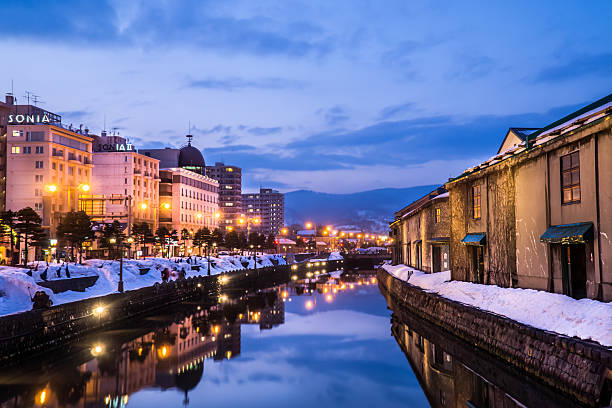
June represents a transitional period in Hokkaido’s tourism calendar, occurring just before the peak summer vacation season begins in July. Visitor numbers remain relatively moderate compared to later months, allowing for a more tranquil experience at popular sites such as Odori Park in Sapporo, the historic warehouses of Otaru, and the lavender fields of Furano (which typically commence blooming in late June). This relative quietude enhances the ability of older travelers to move at their own pace, enjoy quieter moments in gardens or temples, and engage more deeply with local culture without the congestion typical of high-season travel.
The natural environment in June is characterized by lush greenery, clear skies, and vibrant flora, contributing to Hokkaido’s reputation as a summer refuge. Clean air and low pollution levels further support respiratory comfort, which can be particularly beneficial for elderly travelers. These combined factors—favorable weather, manageable crowds, accessible transportation, and scenic beauty—position June as one of the most favorable months for intergenerational travel to Hokkaido, especially when prioritizing comfort, safety, and meaningful shared experiences.
Keep reading