
The Executive Council of Western Australia serves as the primary formal body for providing advice to the Governor of Western Australia, acting as the state’s supreme constitutional authority for executive decision-making. Comprising the Governor and members of the state Ministry, the Council functions as the mechanism through which the government gives legal effect to policy decisions, regulations, and appointments, according to the Government of Western Australia.
Located at Government House in Perth, the Council meets regularly to ensure that executive actions align with the statutory requirements of the state. While the Premier and Cabinet determine policy direction, the Executive Council provides the formal, legal validation required for those decisions to be enacted as law, a process rooted in the Westminster system of government, as detailed by the Parliament of Western Australia.
Constitutional Role and Function
The Executive Council is not a deliberative body that debates policy; rather, it is a formal assembly where the Governor acts on the advice of Ministers. Under the Constitution Act 1889, the Governor is empowered to appoint members to the Executive Council, who are typically the sitting Ministers of the Crown. This arrangement ensures that the executive branch of government maintains a direct, continuous link to the constitutional authority of the Crown, as represented by the Governor.

Meetings are chaired by the Governor, and the proceedings are governed by strict constitutional conventions. According to the Office of the Governor of Western Australia, the Council’s primary duty is to consider “Executive Council Minutes,” which are documents submitted by Ministers seeking approval for actions such as the appointment of judges, the proclamation of new legislation, or the approval of significant government contracts. Once the Governor signs these minutes, they acquire the force of law.
Government House as a Seat of Governance
Government House, situated in the heart of Perth, serves as the official residence and office of the Governor and the site where the Executive Council convenes. The building is a historic landmark completed in 1863, and it remains a central institution in Western Australian political life, as noted by the Heritage Council of Western Australia.
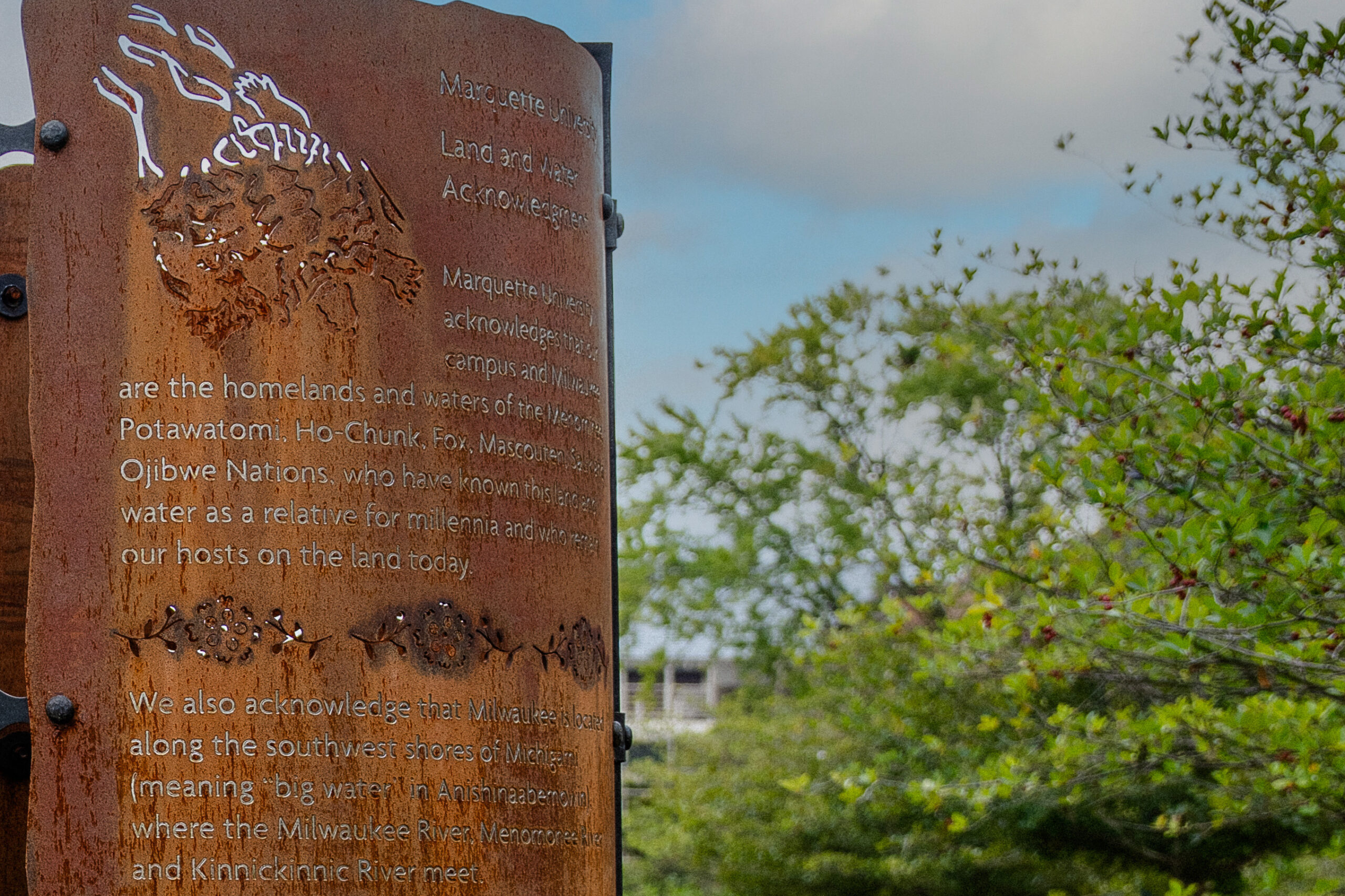
The site also holds deep historical significance. The Western Australian government formally recognizes the continuing cultural connection to land, waters, and community of all Traditional Custodians of Country across the state, a commitment reflected in official protocols observed during state events and government functions. This acknowledgment is a standard component of institutional operations, intended to respect the ongoing presence and heritage of Aboriginal and Torres Strait Islander peoples in Western Australia, as outlined in the Aboriginal Cultural Capability Framework.
The Mechanics of Executive Decision-Making
For a policy to move from a Cabinet decision to an enforceable regulation, it must undergo the Executive Council process. This involves several distinct steps, ensuring transparency and legal compliance:
- Ministerial Submission: A Minister prepares an Executive Council Minute outlining the proposed action.
- Legal Review: The State Solicitor’s Office reviews the document to ensure the proposed action is within the legal authority granted by the relevant Acts of Parliament.
- Governor’s Assent: The Governor reviews the minute during a formal meeting, providing the final executive sign-off.
- Gazettal: Once approved, the decision is published in the Western Australian Government Gazette, marking its official entry into force, as required by the Interpretation Act 1984.
This process acts as a safeguard, ensuring that government actions remain within the bounds of the law. By requiring the signature of the Governor—who stands apart from partisan politics—the system provides a check on executive power, ensuring that all actions are grounded in existing statutory frameworks.
Governance and Future Updates
The Executive Council continues to operate as the pivot point between legislative intent and administrative execution. As the state government implements new policies or initiates legislative reform, the Council remains the venue where those changes are finalized. Members of the public interested in the specific regulations passed by the Council can access the Western Australian Legislation website, which hosts an archive of all proclamations and regulations that have received Executive Council approval.
Official schedules for the Governor, which occasionally note the dates and times of Executive Council meetings, are published periodically by the Office of the Governor. Readers are encouraged to monitor the official Government House website for public updates and information regarding the Governor’s official duties. We invite our readers to share their thoughts on the evolution of constitutional governance in the comments section below.
Worth a look