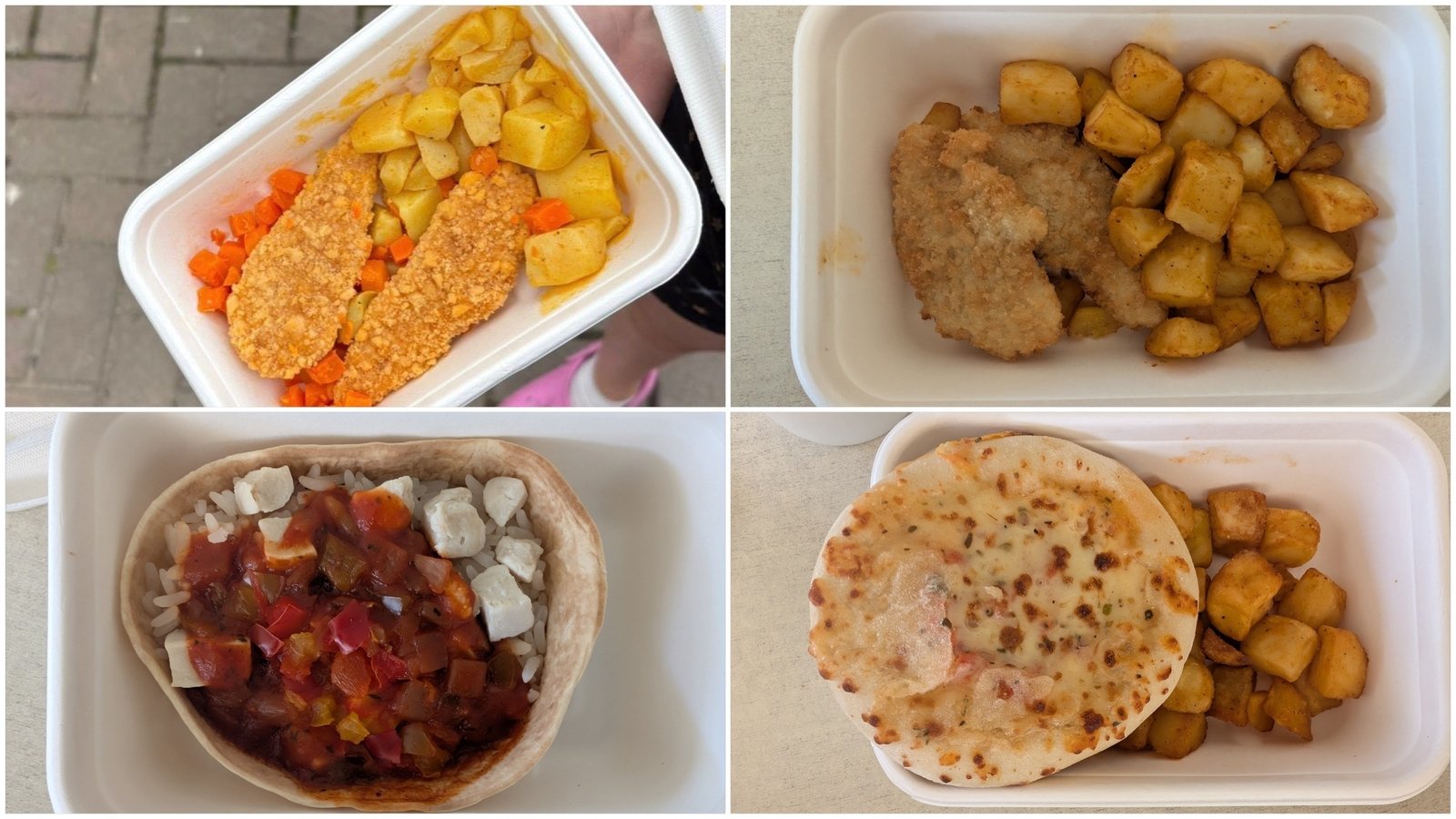
Dublin, Ireland – A recent national survey has revealed growing dissatisfaction with the Hot School Meals Programme in Ireland, with three-quarters of parents reporting their children do not enjoy the variety of food offered. The findings, commissioned by Fine Gael, highlight concerns about nutritional content, presentation, and the origin of ingredients, raising questions about the long-term success of the initiative aimed at providing healthy meals to primary school students.
Launched nationwide in 2019, the Hot School Meals Programme currently operates in 3,200 eligible schools, serving approximately 550,000 children. Senator Linda Nelson Murray, who spearheaded the survey, emphasized the need to build upon the program’s initial success and address emerging issues. While the program has been widely lauded for increasing access to nutritious meals, the survey suggests a growing disconnect between what is provided and what children are willing to eat.
The survey, which garnered nearly 8,000 responses from parents, teachers, and suppliers between January 6th and February 18th, paints a picture of a program facing significant challenges. Beyond the lack of enjoyment regarding food variety, parents expressed concerns about the nutritional value of the meals, with only one-third considering the food to be truly nutritional. A significant number of parents as well reported a preference for cold lunch options, noting that their children were more likely to eat a fresh, cold lunch than the hot meal provided. This preference underscores a potential gap in catering to individual student preferences within the current framework.
Concerns Over Quality and Logistics
The issues extend beyond taste and preference. A substantial portion of respondents – three-quarters – attributed perceived quality issues to the lack of centralized cooking facilities. Many reported that leftover food was frequently sent home, and a majority stated that more than half of the food provided ultimately goes uneaten. This wastefulness raises both economic and environmental concerns, prompting calls for a reevaluation of the program’s logistical structure.
Suppliers responding to the survey highlighted the economic challenges of providing both hot and cold options, citing increased costs related to transportation and the need for cooler storage. Heating meals on-site also presented logistical hurdles for some schools, particularly those in rural areas. Suppliers emphasized the disparity in portion sizes between primary and secondary students, noting that delivering larger meals at comparable prices would be infeasible as the program expands to include secondary schools. Primary students currently receive portions of around 250g, while secondary students require approximately 450g.
The initial rollout of the Hot School Meals Programme began in 2019 with 36 pilot schools under the leadership of then-Minister Regina Doherty. The program’s expansion has been met with enthusiasm, but the recent survey data suggests that initial excitement may be waning. A particularly noticeable drop in demand was observed in 5th class, with one supplier reporting a 35% decrease in uptake amid recent public debate surrounding the program’s quality.
Department Response and Ongoing Review
The Department of Social Protection has acknowledged the concerns raised by the survey and announced that a dietician seconded from the Department of Health is currently conducting a comprehensive review of school meal supplier menus and their compliance with established nutritional standards. According to RTÉ, a full report outlining the findings of this review is expected to be finalized in the second quarter of 2026.
In a statement, the Department affirmed that clear nutritional standards have been in place since the program’s inception and urged parents with concerns about food quality to address them directly with the principal or board of management at their child’s school. Yet, the survey results suggest that many parents are unaware of these avenues for addressing their concerns or feel that their feedback is not adequately addressed.
The Issue of Ingredient Sourcing
Beyond the logistical and nutritional concerns, the survey also revealed anxieties regarding the origin of ingredients used in the school meals, particularly meat. Parents expressed a desire for greater transparency in the supply chain and assurances that the ingredients used are of high quality and ethically sourced. This concern reflects a broader trend among consumers towards greater awareness of food provenance and sustainability.
Impact on Secondary School Rollout
The challenges identified in the survey could potentially impact the planned expansion of the Hot School Meals Programme to include secondary schools. Suppliers have already cautioned that providing larger portion sizes at affordable prices will be a significant hurdle. Addressing the concerns about food quality, variety, and logistical feasibility will be crucial to ensuring the program’s success at the secondary level.
The findings of this survey underscore the importance of ongoing monitoring and evaluation of the Hot School Meals Programme. While the program has undoubtedly made a positive impact on access to nutritious meals for primary school students, addressing the concerns raised by parents, teachers, and suppliers will be essential to ensuring its long-term sustainability and effectiveness. The upcoming report from the Department of Social Protection is expected to provide valuable insights and recommendations for improving the program and addressing the challenges identified in the survey.
Key Takeaways
- Widespread Dissatisfaction: Three-quarters of parents surveyed report their children do not enjoy the variety of food offered in the Hot School Meals Programme.
- Nutritional Concerns: Only one-third of respondents believe the meals are truly nutritional, with many preferring cold lunch options.
- Logistical Challenges: Lack of centralized cooking and difficulties with heating meals on-site contribute to quality issues and food waste.
The Department of Social Protection is expected to release a comprehensive report on the review of school meal supplier menus in the second quarter of 2026. Parents and educators are encouraged to stay informed about the program’s developments and to provide feedback to their local schools and the Department. The future success of the Hot School Meals Programme hinges on addressing these concerns and ensuring that the program continues to meet the needs of Ireland’s students.