
Is Algorithm-Driven Music Making Our Songs Simpler and More Repetitive?
The music we listen to today often feels…familiar. Not necessarily in a comforting way, but in a way that suggests a certain sameness. A growing conversation among musicians and industry observers points to a potential culprit: algorithms. These complex sets of instructions, powering streaming services like Spotify and Deezer, are increasingly shaping not just *how* we discover music, but potentially *what* music gets made in the first place. The question isn’t simply whether algorithms are influencing musical trends, but whether they are leading to a homogenization of sound, prioritizing predictability over innovation.
The rise of data analytics in the music industry has been swift and significant. Platforms are now capable of tracking listener habits with unprecedented granularity – every song played, every playlist created, every “like” and “skip” provides a data point. This information is then used to curate personalized recommendations, predict emerging trends, and even inform artists and producers about what types of sounds are likely to resonate with audiences. While proponents argue this system democratizes music discovery and empowers artists, critics worry it’s creating a feedback loop that favors formulaic compositions and discourages experimentation. The core concern is that algorithms, designed to maximize engagement, may inadvertently reward simplicity and repetition, leading to a decline in musical complexity.
The impact of these algorithms extends beyond simply suggesting songs. They are actively influencing the creative process itself. Artists, aware of the data-driven landscape, may consciously or unconsciously tailor their music to appeal to algorithmic preferences. This can manifest in various ways, from adopting popular song structures and tempos to incorporating trending sounds and lyrical themes. The result, some argue, is a musical landscape increasingly dominated by songs designed to be “algorithm-friendly” rather than artistically ambitious. This isn’t necessarily a conscious conspiracy, but rather a natural consequence of operating within a system that prioritizes quantifiable metrics like stream counts and playlist placements.
How Data Analysis Drives Musical Trends
The power of data analysis in understanding and anticipating musical trends is undeniable. Platforms like Deezer and Spotify analyze the listening habits of millions of users in real-time, scrutinizing every play, playlist addition, and favorite selection. According to a 2024 report, this data provides valuable insights into emerging currents, allowing the music industry, artists, and listeners to access trends as they develop. HEC Montreal details how algorithms can identify strong signals, such as a sudden increase in listens within a specific subgenre or the emergence of thematic playlists centered around a particular style.
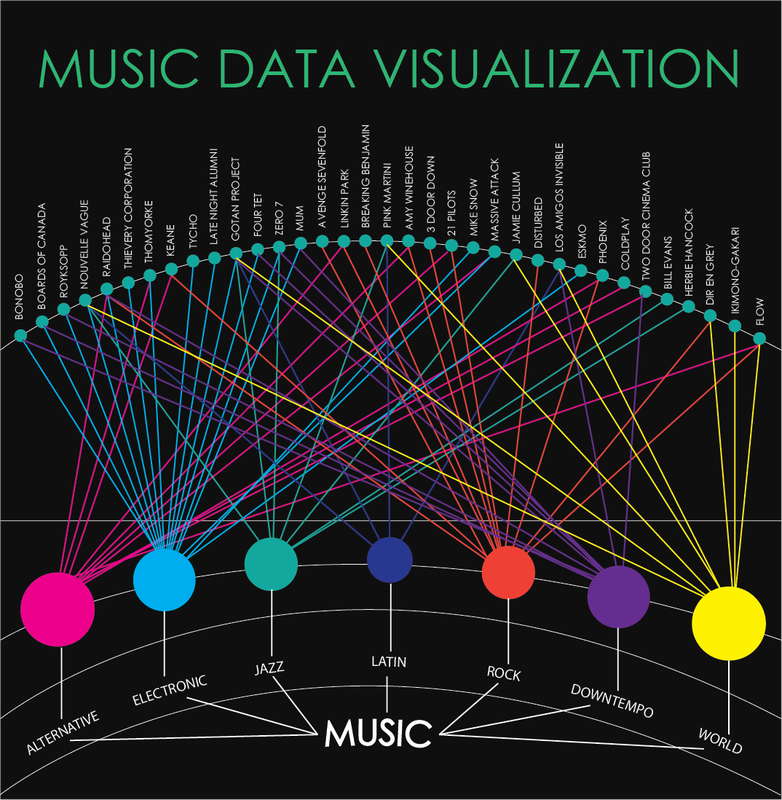
These playlists, both user-created and algorithmically generated, play a crucial role in the propagation of recent genres. Spotify’s “Discover Weekly” and Deezer’s “Flow” are prime examples, offering weekly selections based on a user’s past tastes and sounds that are similar or emerging. These personalized recommendations create a musical experience that balances familiarity with discovery. The emergence of genres like “Lofi Hip-hop,” “synthwave,” and “hyperpop” demonstrates the significance of this process, showcasing how algorithms can amplify niche sounds and bring them to a wider audience.
However, this algorithmic curation isn’t without its drawbacks. Critics argue that the focus on data-driven trends can stifle creativity and lead to a lack of diversity in the music industry. If algorithms consistently promote similar-sounding songs, it can be difficult for artists who deviate from the norm to gain traction. This can create a self-reinforcing cycle where the most popular music becomes even more dominant, while more experimental or unconventional sounds are marginalized. The question then becomes: is algorithmic curation expanding musical horizons, or narrowing them?
The Algorithmic Composition Debate
The influence of algorithms isn’t limited to curation and discovery; it extends to the very act of musical composition. For decades, composers have experimented with using computers and algorithms to assist in the creation of music. Early explorations focused on using computers to automate tedious tasks or to generate variations on existing themes. However, as technology has advanced, algorithms have become increasingly sophisticated, capable of generating entirely original compositions. Wikipedia details how systems have evolved, sometimes aiming to influence the machine and other times to liberate humans from regulatory tasks.
The core principle behind algorithmic composition is the use of algorithms to solve problems through a hierarchical ordering of rules. This operational control is found at all levels of computer programming. While some composers embrace this technology as a tool for expanding their creative possibilities, others express concerns about the potential for algorithms to diminish the role of human artistry. The debate centers on the question of authorship: if an algorithm generates a piece of music, who is the composer? Is it the programmer who created the algorithm, the user who initiated the process, or the algorithm itself?
the use of algorithms in composition raises questions about originality and authenticity. If an algorithm is trained on a dataset of existing music, is the resulting composition truly original, or simply a derivative operate? These are complex questions with no easy answers, and they are likely to become increasingly relevant as algorithmic composition becomes more prevalent. The ethical implications of using algorithms to create art are still being debated, and it remains to be seen how this technology will shape the future of music.
The Impact on Musical Complexity
The central argument surrounding algorithmic influence on music is that it promotes simplicity and repetition. The logic is straightforward: algorithms are designed to identify patterns and predict preferences. Songs that adhere to established formulas and predictable structures are more likely to be recommended and played, leading to increased engagement. This creates an incentive for artists to create music that conforms to these algorithmic preferences, even if it means sacrificing artistic complexity.

However, defining “simplicity” and “complexity” in music is inherently subjective. What one person considers simple, another may find elegant and refined. There is a long history of popular music embracing simplicity. Many of the most iconic and enduring songs of all time are remarkably straightforward in their structure and instrumentation. The key difference, perhaps, is whether this simplicity is the result of artistic intention or algorithmic pressure.
The concern isn’t necessarily that music is becoming “worse,” but that We see becoming more homogenous. If algorithms consistently favor certain types of sounds and structures, it can lead to a narrowing of the musical landscape, reducing the diversity of styles and approaches. This can be particularly detrimental to emerging artists who are trying to break through with unconventional or experimental sounds. The challenge lies in finding ways to harness the power of algorithms for music discovery and promotion without sacrificing artistic innovation and diversity.
Key Takeaways
- Algorithms are increasingly shaping the music we hear, influencing both discovery and creation.
- Data analysis allows platforms to predict trends and personalize recommendations, but can also lead to homogenization.
- Algorithmic composition raises questions about authorship, originality, and the role of human artistry.
- The debate centers on whether algorithms prioritize predictability over innovation, potentially diminishing musical complexity.
The future of music in the age of algorithms remains uncertain. As technology continues to evolve, it is crucial to have ongoing conversations about the ethical and artistic implications of these powerful tools. The goal should be to create a music ecosystem that balances the benefits of data-driven insights with the importance of artistic expression and diversity. The next step in this evolving landscape will be closely watched by musicians, industry professionals, and listeners alike as the industry continues to adapt to the ever-changing dynamics of the digital age.
Stay tuned to World Today Journal for further coverage of the intersection of technology and the arts. Share your thoughts on the impact of algorithms on music in the comments below.
Related reading