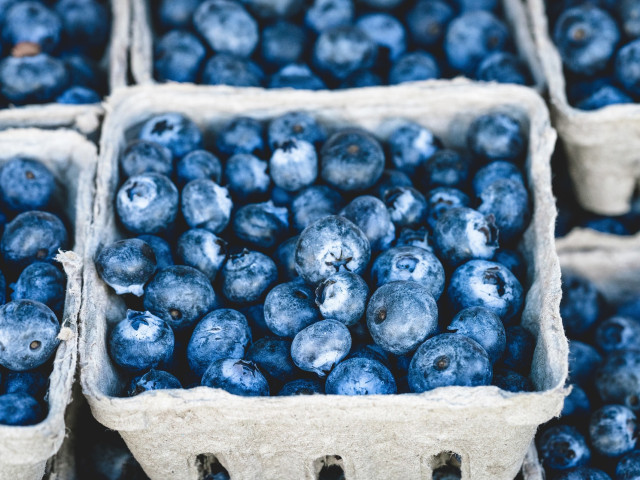
Blueberries are often celebrated for their sweet taste and vibrant color, but their impact on cardiovascular and cognitive health deserves closer attention. Recent discussions have highlighted how regular consumption of this fruit may influence blood pressure, arterial stiffness, and brain function. As interest grows in natural approaches to supporting long-term wellness, understanding the science behind these effects becomes increasingly important for individuals seeking evidence-based dietary choices.
The potential benefits of blueberries extend beyond basic nutrition, touching on mechanisms that affect endothelial function and oxidative stress. Research suggests that compounds found in the fruit, particularly anthocyanins, may contribute to improved vascular health by supporting nitric oxide bioavailability and reducing inflammation. These biological pathways are relevant not only to heart health but also to cerebral circulation, which plays a role in maintaining cognitive performance over time.
One area of focus involves how blueberry consumption relates to arterial stiffness, a measure of arterial flexibility that tends to increase with age and is associated with higher cardiovascular risk. Studies have explored whether dietary interventions involving blueberries can modify this parameter, with some indicating positive changes in arterial compliance following consistent intake. While results vary across populations and study designs, the direction of evidence points toward a meaningful interaction between polyphenol-rich foods and vascular function.
Another significant aspect is the fruit’s influence on blood pressure regulation. Clinical observations have noted associations between blueberry intake and modest reductions in both systolic and diastolic pressure, particularly in individuals with elevated baseline readings. These effects are thought to stem from the fruit’s ability to enhance vascular reactivity and counteract processes that lead to vasoconstriction. However, the magnitude of change appears to depend on factors such as dosage, duration, and individual metabolic profiles.
Beyond the cardiovascular system, emerging research examines how blueberries may support brain health through improved cerebral blood flow and protection against oxidative damage. The brain’s high metabolic demand makes it especially vulnerable to oxidative stress, and dietary antioxidants like those in blueberries are believed to play a protective role. Some studies have linked regular consumption to better performance on memory and executive function tasks, although more long-term data is needed to confirm these findings across diverse age groups.
The role of anthocyanins—pigments responsible for the deep blue hue of the fruit—has been central to much of the research. These compounds exhibit strong antioxidant properties and are capable of crossing the blood-brain barrier, which has sparked interest in their potential neuroprotective effects. Laboratory and human studies suggest they may modulate signaling pathways involved in neuronal survival and synaptic plasticity, though translating these mechanisms into clinical outcomes requires further investigation.
It is also important to consider how blueberries fit into broader dietary patterns. Their benefits are unlikely to occur in isolation; rather, they may be most effective when consumed as part of a diet rich in fruits, vegetables, whole grains, and healthy fats. Nutrition experts emphasize that no single food can replace the synergistic effects of a balanced eating pattern, but incorporating nutrient-dense options like blueberries can contribute meaningfully to overall dietary quality.
For individuals managing hypertension or concerned about cognitive decline, blueberries represent a low-risk, accessible addition to daily meals. They require no preparation beyond washing and can be eaten fresh, frozen, or incorporated into smoothies, oatmeal, or yogurt. This ease of use supports adherence, particularly when compared to more complex dietary interventions or supplement regimens.
While current evidence is encouraging, researchers caution against overstating the effects. Most studies to date have been of moderate size and duration, and findings are not uniform across all populations. Factors such as genetics, baseline health status, and concurrent medications can influence how individuals respond to dietary changes. Blueberries should be viewed as a complementary strategy rather than a standalone treatment for medical conditions.
Ongoing research continues to explore optimal dosages, long-term safety, and the specific biomarkers that respond most reliably to blueberry consumption. Scientists are also investigating whether certain varieties or forms of the fruit—such as wild versus cultivated, or whole fruit versus extracts—differ in their bioactive content and physiological impact. These questions aim to refine recommendations and maximize the potential public health benefit.
In the context of preventive health, blueberries exemplify how whole foods can influence physiological systems tied to aging and chronic disease. Their combination of fiber, vitamins, and phytochemicals supports multiple aspects of metabolic health, making them a valuable component of dietary guidance aimed at reducing risk factors for heart disease and neurodegenerative conditions.
As with any dietary change, individuals with specific health concerns should consult healthcare professionals before making significant adjustments to their eating habits. This is especially relevant for those on medications that affect blood pressure or blood clotting, although interactions with blueberries are generally considered minimal. Personalized advice ensures that nutritional choices align with individual health goals and medical histories.
The growing body of evidence around blueberries and health underscores the importance of continued investment in nutrition science. By studying how everyday foods influence complex biological systems, researchers can develop more nuanced guidelines that empower people to make informed decisions about their diet. Such work bridges the gap between basic science and practical application in public health.
Looking ahead, future studies may clarify how blueberry consumption interacts with other lifestyle factors like physical activity, sleep, and stress management. Understanding these interactions could lead to more holistic recommendations that address multiple dimensions of well-being simultaneously. For now, the available data supports viewing blueberries as a beneficial component of a heart- and brain-healthy lifestyle.
To stay informed about developments in nutritional science and cardiovascular health, readers can follow updates from reputable sources such as the American Heart Association and peer-reviewed journals in the field of nutrition and metabolism. These platforms provide access to the latest research findings, expert interpretations, and practical guidance grounded in scientific rigor.
We encourage readers to share their experiences with incorporating blueberries into their diets and to join the conversation about evidence-based approaches to wellness. Your insights help foster a community dedicated to learning and improving health outcomes through informed, sustainable choices.
Keep reading
- Gut Bacteria Linked to Biological Aging Rate: New Study Findings
- Water Protection: BH Vöcklabruck Issues Reminder on Slurry Fertilization Buffer Zones
- Early Warning System: Brain Prepares for Viral Attack in Advance (archyde.com)
- Potential Health Risks Loom as Northwest Arkansas Faces Continued Heat Advisory (world-today-news.com)