
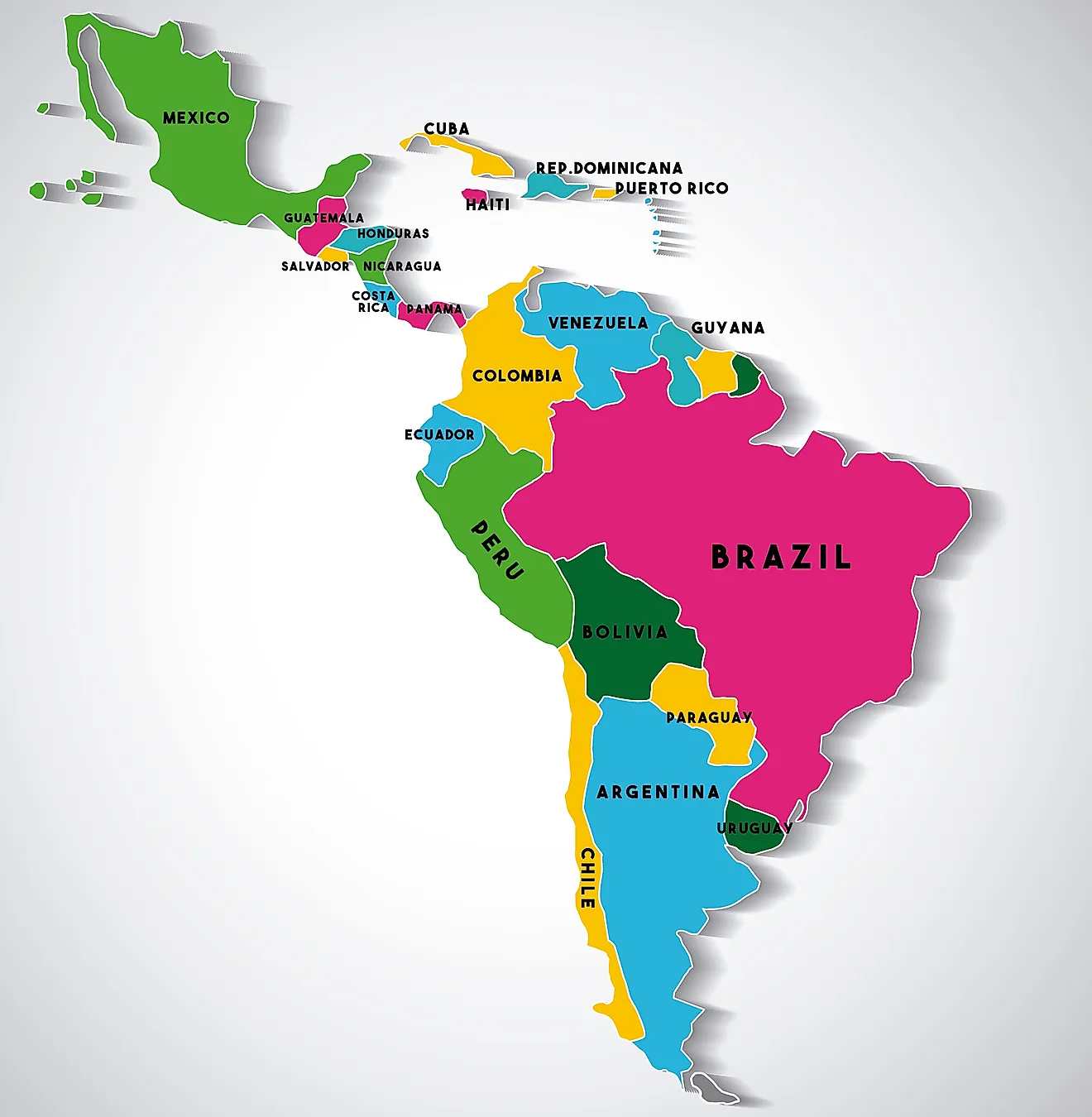
Venezuela’s economic recovery is being rewritten—not by traditional banking reforms, but by the rapid expansion of digital financial ecosystems. As the country grapples with hyperinflation and capital controls, fintech platforms and digital banks are emerging as lifelines for millions, transforming how remittances flow, businesses operate, and families access basic financial services. This shift isn’t just a stopgap; it’s reshaping the future of money in one of Latin America’s most financially distressed nations.
For Venezuelans, remittances from abroad have long been the financial oxygen keeping households afloat. According to the World Bank, remittances to Venezuela surged to $7.5 billion in 2023, accounting for nearly 10% of the country’s GDP. Yet, traditional banking channels—plagued by sanctions, currency controls, and bureaucratic hurdles—have struggled to keep up with demand. Enter digital ecosystems: platforms like DLocal, PayPal, and local fintechs such as Venezolanos (a remittance-focused app) are bridging the gap, offering near-instant transfers, lower fees, and greater accessibility. But the impact goes beyond personal finances—businesses, too, are leveraging these tools to bypass restrictions on foreign currency transactions, import goods, and even launch crypto-based ventures.
The stakes couldn’t be higher. Venezuela’s central bank, BCV, has repeatedly warned of the risks posed by unregulated digital currencies and informal financial networks. Yet, as official channels remain constrained, the digital alternative is not just thriving—it’s becoming the default. “The digital ecosystem is no longer a niche solution; it’s the primary financial infrastructure for millions,” says Carlos Fernández, an economist at ECOI, a Venezuelan economic research group. “The question now is whether regulators can adapt—or if they’ll be left behind.”
How Digital Ecosystems Are Reshaping Venezuela’s Financial Landscape
Digital financial tools in Venezuela serve three critical functions: remittance facilitation, currency arbitrage, and access to global markets. Each plays a role in mitigating the economic crisis, though with distinct challenges.
1. Remittances: The Lifeline for Households
Remittances are the backbone of Venezuela’s informal economy. With the official exchange rate for the bolívar hovering at 1 USD = ~360,000 VEF (as of May 2026, per BCV’s parallel market data), families rely on dollars sent from abroad to cover essentials like food, medicine, and rent. Traditional banks, however, impose strict limits on dollar withdrawals, and international transfers often take weeks to process—if they’re approved at all.
Digital platforms have filled this void. Apps like Venezolanos allow recipients to receive funds via QR codes or mobile wallets, often within hours. DLocal, which operates in 23 Latin American countries, enables cross-border transactions with fees as low as 1–3%, compared to the 10–20% charged by traditional remittance services like Western Union. “For a family receiving $300 a month, that’s the difference between eating twice a week or every day,” notes Fernández.
2. Currency Arbitrage: Bypassing the Official Rate
Venezuela’s dual exchange rate system—one official, one black-market—has created a lucrative (if risky) opportunity for digital traders. Platforms like LocalBitcoins (now Peer-to-Peer) and Binance allow users to buy and sell cryptocurrencies, which can then be exchanged for bolívars at rates closer to the parallel market. While the central bank has banned cryptocurrency transactions since 2018, enforcement remains patchy, and platforms operate in a legal gray area.

For businesses, this arbitrage is a survival tactic. Importers, for example, use digital wallets to purchase dollars at the black-market rate, then convert them to bolívars for local payments—a process that would be impossible through traditional banks. “The digital ecosystem has become the only viable way to import goods without facing delays or confiscation,” says Ana María Díaz, CEO of Venezuelan Business Chamber. “But it’s a double-edged sword: the volatility is extreme, and the risk of fraud is high.”
3. Access to Global Markets: The Rise of Fintech Startups
Beyond remittances and currency trading, digital ecosystems are enabling a new wave of Venezuelan entrepreneurship. Startups like Tuka (a fintech offering microloans) and Mercado Pago (PayPal’s Latin American arm) are providing tools for small businesses to accept payments, manage payroll, and even access international funding. “We’re seeing a generation of digital-native entrepreneurs who don’t rely on the banking system at all,” says Fernando Torres, founder of Fintech Venezuela, a local industry group.
However, this growth comes with regulatory uncertainty. The Venezuelan government has proposed new fintech regulations (as of early 2026) that could either legitimize these platforms or stifle innovation. “The window for compliance is narrow,” warns Torres. “If the rules are too restrictive, these ecosystems will either go underground or relocate to more business-friendly jurisdictions.”
Challenges: Fraud, Regulation, and the Human Cost
While digital financial tools offer critical solutions, they are not without risks. Fraud remains rampant: scammers exploit the lack of KYC (Know Your Customer) verification on some platforms, and phishing schemes targeting remittance recipients are on the rise. The INTERPOL Caracas office reported a 30% increase in financial fraud cases linked to digital transactions in 2025.
the lack of consumer protections is a growing concern. Unlike traditional banks, fintech platforms often operate without deposit insurance or dispute resolution mechanisms. “If your funds are frozen or lost due to a platform’s collapse, your recourse is limited,” says Dr. María Elena Ramos, a financial law professor at Universidad Simón Bolívar. “This is a systemic risk that regulators must address.”
The human cost is perhaps the most immediate. For families relying on remittances, delays or losses due to fraud can mean the difference between meals and malnutrition. A 2025 study by UNICEF Venezuela found that 42% of households reported skipping meals due to financial instability—many of which could be mitigated by more reliable digital financial tools.
What’s Next: Can Venezuela’s Digital Ecosystem Scale?
The trajectory of Venezuela’s digital financial revolution hinges on three factors: regulatory clarity, infrastructure investment, and international recognition. Here’s what to watch:
- Regulatory Framework: Venezuela’s National Assembly is expected to vote on fintech legislation by July 2026. If passed, it could either legitimize digital platforms or push them further into the shadows.
- Infrastructure: Reliable internet access remains a barrier. While urban areas like Caracas and Maracaibo have ~70% 4G coverage (per CONATEL), rural regions lag behind, limiting adoption.
- International Sanctions: U.S. And EU sanctions on Venezuela’s banking sector have indirectly boosted fintech adoption. However, if sanctions ease, traditional banks may regain market share—threatening the digital ecosystem’s dominance.
| Platform | Primary Use Case | Monthly Active Users (Est.) | Key Risk |
|---|---|---|---|
| Venezolanos | Remittances (USD to VEF) | 500,000+ | Fraudulent recipient verification |
| DLocal | Cross-border payments | 200,000+ | Regulatory uncertainty |
| Mercado Pago | Business payments, microloans | 150,000+ | High transaction fees |
| Binance | Crypto arbitrage | 100,000+ | Volatility exposure |
Key Takeaways
- Digital ecosystems are now the primary financial infrastructure for millions of Venezuelans, filling gaps left by traditional banking.
- Remittances, currency arbitrage, and fintech entrepreneurship are the three pillars driving this shift.
- Regulatory clarity is the biggest wild card: New fintech laws could either legitimize or stifle growth.
- Fraud and lack of consumer protections remain critical challenges for users.
- The next 12 months will determine whether Venezuela’s digital financial revolution becomes sustainable—or collapses under regulatory pressure.
What You Can Do
If you’re a Venezuelan receiving remittances or running a business in the country, here’s how to stay safe:
- Use verified platforms: Stick to well-established services like DLocal or Mercado Pago, which offer basic fraud protections.
- Beware of scams: Never share your wallet PIN or QR codes via unsecured channels. Report suspicious activity to INTERPOL or local authorities.
- Monitor regulatory updates: Follow BCV and the Official Gazette for changes to fintech laws.
- Consider diversifying: If relying on remittances, use multiple platforms to mitigate risk.
The next critical checkpoint is the July 2026 vote on fintech legislation in Venezuela’s National Assembly. If passed, the law could either solidify the digital ecosystem’s role in the economy or force platforms into compliance—potentially limiting their flexibility. Until then, Venezuelans will continue to navigate this uncharted financial terrain, one digital transaction at a time.
What’s your experience with digital financial tools in Venezuela? Share your stories or questions in the comments below—or tag @WorldTodayJ on X to join the conversation.
Keep reading