
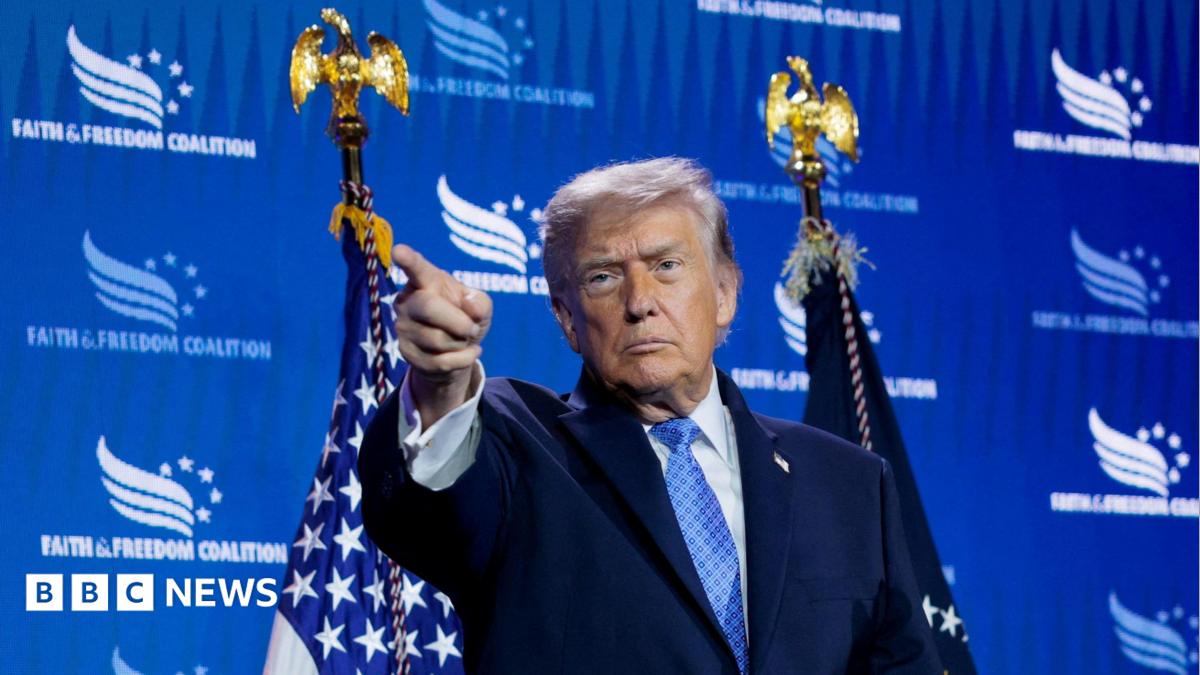
Donald Trump’s financial disclosures following his return to the White House indicate a significant diversification of his revenue streams, headlined by substantial earnings from cryptocurrency ventures and branded merchandise. According to recent financial filings, the former president and current officeholder reported more than $1 billion in revenue tied to various business interests, including crypto-related projects, real estate holdings, and the sale of licensed items such as watches and Bibles. Official financial disclosure reports serve as the primary record for these figures, providing a window into the intersection of his executive role and private enterprise.
These disclosures highlight a departure from traditional presidential asset management, sparking ongoing debate regarding the nature of executive financial transparency. As of the most recent reporting period, the scale of these earnings has drawn scrutiny from government ethics watchdogs, who monitor for potential conflicts of interest between personal profit and federal policymaking. The U.S. Office of Government Ethics requires high-level officials to detail their income sources to ensure public trust, though the complexity of Trump’s business empire—which includes international licensing agreements and digital assets—continues to present unique challenges for oversight bodies.
Diversification into Digital Assets and Licensing
A notable component of the reported $1 billion-plus figure is the revenue generated from cryptocurrency initiatives. Trump, who transitioned from a skeptic to a vocal proponent of digital assets during his campaign, has been associated with platforms such as World Liberty Financial. These ventures represent a new frontier for a former president, involving the promotion of decentralized finance protocols and digital tokens. While these projects offer high potential returns, they also carry risks inherent to the volatile crypto market, a factor that financial analysts frequently highlight in their assessments of his portfolio.
Beyond digital assets, the Trump organization has leaned heavily into consumer goods. Reports confirm that branded items—ranging from high-end watches to religious texts—have generated millions in additional revenue. This strategy relies on the strength of the Trump brand, which has successfully monetized his political base through direct-to-consumer sales. The Securities and Exchange Commission has previously reviewed filings related to various Trump-affiliated companies, though the specific mechanics of these retail operations are often handled through private licensing agreements rather than publicly traded entities.
Real Estate and Traditional Revenue Streams
Despite the high-profile nature of his digital and retail projects, traditional real estate remains a cornerstone of Trump’s wealth. His portfolio of hotels, golf courses, and office buildings continues to produce steady income, even as he navigates the demands of his executive responsibilities. Financial documents filed with the Federal Election Commission during his campaign cycle provided early indicators of these ongoing real estate revenues, which have remained consistent despite the shifting political landscape. These assets are often held in trusts or limited liability companies, a standard practice for high-net-worth individuals entering public office.

The persistence of these revenue streams raises questions about the “blind trust” model traditionally expected of U.S. presidents. While previous administrations have often divested from active businesses to avoid the appearance of impropriety, Trump has maintained ownership of his corporate entities. Supporters argue that these earnings are the result of legitimate business activity unrelated to his political decisions, while critics point to the potential for foreign or domestic interests to influence policy by patronizing his properties or investing in his ventures.
Regulatory Oversight and Future Disclosures
The path forward for these financial disclosures involves periodic review by federal agencies. The next major milestone for transparency will occur during the upcoming annual reporting cycle, where the president will be required to update his financial status for the prior calendar year. These filings are critical for tracking the growth or decline of his assets in real-time. Any discrepancies or new, undisclosed income sources could trigger further inquiries from congressional committees or independent investigative bodies tasked with verifying the accuracy of executive records.

For the public, the challenge remains in interpreting these complex documents. Organizations like the Citizens for Responsibility and Ethics in Washington frequently analyze these filings to identify potential red flags, such as payments from foreign governments or entities with pending federal contracts. As the administration continues, the focus will remain on whether these business interests influence the executive branch’s regulatory agenda, particularly concerning the nascent cryptocurrency industry and international trade policies. Readers seeking the most recent filings can access them directly through the official portals managed by the legislative and executive ethics offices.
We invite our readers to share their perspectives on the intersection of executive power and private business in the comments section below. As new filings become available, this journal will continue to provide updates on the financial disclosures shaping the current political climate.