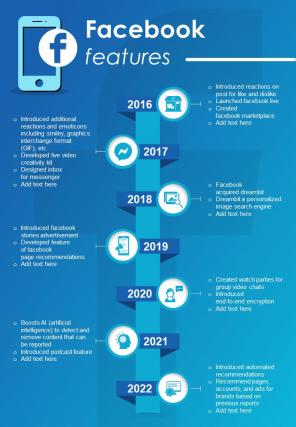
In the rapidly evolving landscape of social media, few platforms have undergone as many structural and functional metamorphoses as Facebook. As the digital environment shifts toward short-form video and algorithmic content discovery, long-time users often find themselves looking back at the tools and features that once defined their online social experience. Whether it was the chronological feed, the intimacy of early groups, or specific interactive elements that have since been relegated to the archives, the nostalgia for these “lost” features often sparks vibrant discussions across digital forums.
The conversation surrounding legacy features is more than just a trip down memory lane; it serves as a window into how user expectations of social connectivity have changed since the platform’s inception. As a technology editor, I have observed that these discussions frequently center on the balance between utility and the platform’s transition toward a more commercialized, AI-driven content model. Understanding what users miss provides a critical perspective on the design choices made by Meta, the parent company of Facebook, as it navigates the competitive pressures of the modern internet era.
The Evolution of Social Interaction
Facebook’s trajectory from a collegiate networking site to a global conglomerate has necessitated constant updates to its interface and feature set. According to the company’s most recent official corporate communications, the platform now prioritizes “discovery” and “community-building” through AI-recommended content. This shift represents a departure from the platform’s original intent, which was primarily to connect individuals within their existing real-world social circles.
Many users point to the removal or de-prioritization of chronological feeds as a significant turning point in their user experience. While the platform continues to offer options to sort by “Most Recent,” the default algorithmic feed—driven by machine learning models designed to maximize engagement—often obscures posts from close friends in favor of viral content or advertisements. This transition is not incidental; it is a core component of the platform’s current business strategy, which emphasizes time-spent metrics and ad-revenue generation.
Why Legacy Features Still Matter
When users discuss the features they miss, they are often expressing a desire for greater control over their digital environment. Features that allowed for granular privacy settings, chronological sorting, or even simple, non-intrusive notification systems are frequently cited as the “gold standard” of the early social web. The loss of these elements can feel like a loss of agency, particularly as the platform has become increasingly saturated with sponsored content and suggested posts that users did not explicitly opt into seeing.
The sentiment expressed in various online communities highlights a common theme: the “human” element of social media is often perceived to be at odds with the “automated” element. As regulatory bodies and consumer advocacy groups continue to monitor how platforms manage user data and content distribution, the public discourse on these design changes remains highly relevant. Users are not just complaining about missing buttons; they are questioning how their digital spaces are curated and for whose benefit that curation occurs.
Key Takeaways on Platform Changes
- Algorithmic Curation: The move toward AI-driven feeds has fundamentally changed how users consume information, prioritizing engagement over chronological relevance.
- User Control: Many legacy features that provided users with direct control over their privacy and display settings have been phased out to streamline the interface for mobile-first consumption.
- Commercialization: The integration of shopping features and promoted content has redefined the user experience, moving the platform further from its roots as a personal networking tool.
Looking Ahead: The Future of Connectivity
As we look toward the remainder of 2026, the trajectory for social platforms remains focused on the integration of generative AI and immersive media. For Facebook, this means continuing to refine the ways in which users interact with content, moving beyond the static posts of the past. While the company has not announced any plans to revert to older interface models, it continues to release updates aimed at improving app performance and shopping momentum, as noted in recent technical updates and developer reports.

The debate over what has been lost versus what has been gained is likely to continue as long as the platform remains a central pillar of the digital experience. For those interested in the latest official developments, the best source of information remains the Meta Newsroom, which provides the most accurate timelines for feature rollouts and policy changes. Whether you are a casual user or a tech enthusiast, your voice contributes to the ongoing evolution of these tools.
What features do you find yourself missing most, and how have they changed your daily interaction with social media? I encourage you to share your thoughts in the comments below as we continue to track the impact of these changes on our global digital culture.
Worth a look