
The fight for reproductive autonomy has taken a harrowing turn in Canada, as new reports and testimonies suggest that the forced sterilization of Indigenous women is not merely a dark chapter of the past, but a contemporary crisis. For decades, the history of Canada has been marked by systemic efforts to control the reproductive lives of Indigenous populations, yet modern allegations of medical coercion continue to surface, challenging the nation’s standing on human rights and medical ethics.
At the heart of the issue is the concept of informed consent. Advocates and human rights organizations have raised alarms regarding instances where Indigenous women, often in vulnerable positions during childbirth or within the healthcare system, have been pressured into permanent sterilization procedures. These allegations suggest that medical professionals may have provided misleading information or exploited the power imbalance inherent in the patient-provider relationship, effectively stripping women of their right to decide their own reproductive futures.
This crisis is not occurring in a vacuum. It is deeply rooted in a long-standing history of systemic racism and colonial policies designed to undermine Indigenous communities. From the eugenics movements of the early 20th century to the devastating legacy of the residential school system, the Canadian state has a documented history of attempting to manage and diminish Indigenous populations. The current reports of coerced sterilization represent a modern evolution of these historical patterns, highlighting a persistent failure to protect the fundamental rights of Indigenous peoples.
A Legacy of Eugenics and Control
To understand the gravity of current allegations, one must look back at the legal frameworks that once institutionalized reproductive control in Canada. In the mid-20th century, several Canadian provinces enacted legislation that permitted the sterilization of individuals deemed “unfit” to reproduce. Most notably, Alberta’s Sexual Sterilization Act, which was in effect from 1928 until 1972, and similar measures in British Columbia, provided a legal veneer for the state-sanctioned removal of reproductive capacity from marginalized groups, including many Indigenous people and those with mental health challenges.
These historical laws were driven by eugenics—a pseudo-scientific movement aimed at “improving” the human race by preventing those deemed “inferior” from passing on their genes. While these specific laws have been repealed, the underlying ideologies of eugenics and the systemic biases they fostered continue to permeate the healthcare system. The transition from overt state-mandated sterilization to more subtle forms of medical coercion reflects a shift in method, but for many Indigenous women, the impact remains devastatingly similar.
The connection between historical eugenics and modern healthcare disparities is a central theme in the ongoing discussions regarding Indigenous sovereignty and health. Many experts argue that the lack of culturally safe care and the presence of unconscious bias among medical staff create an environment where coercion can occur under the guise of medical necessity or patient “choice.”
Mechanisms of Medical Coercion
The allegations regarding the forced sterilization of Indigenous women in Canada often center on the failure of the informed consent process. Informed consent is a cornerstone of modern medical ethics, requiring that a patient be fully apprised of the risks, benefits, and alternatives to any procedure. In the cases being reported, however, this process appears to have been systematically undermined.
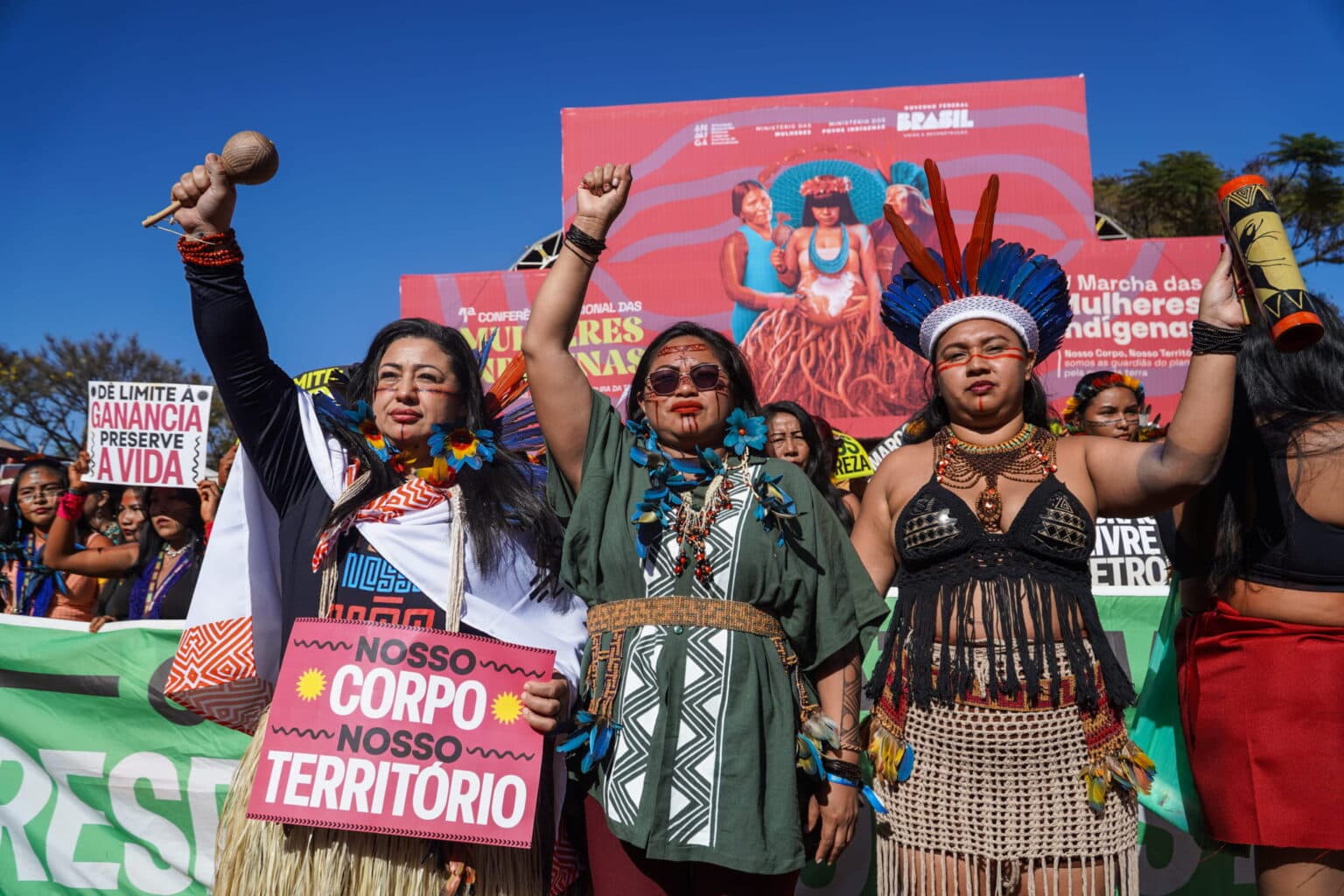
Testimonies from survivors and advocates describe several methods of coercion:
- Misinformation: Women have reported being told that sterilization was a necessary medical procedure to save their lives during complicated births, or being misled about the permanence of the procedure.
- Pressure During Vulnerability: The high-stress environment of labor and delivery can be used to pressure women into making rapid decisions regarding contraception or sterilization, often without adequate time for reflection or consultation with family.
- Lack of Alternatives: In some instances, women have alleged that they were not presented with non-permanent contraceptive options, leaving sterilization as the only perceived path forward within the clinical setting.
These practices represent a significant violation of reproductive autonomy. When medical professionals use their authority to influence a patient’s reproductive decisions through deception or pressure, they violate the fundamental trust required for effective healthcare. This represents particularly acute in Indigenous communities, where the history of medical experimentation and neglect has already created a profound and justified distrust of the Canadian healthcare system.
Systemic Racism in the Healthcare System
The persistence of these allegations points toward a broader issue of systemic racism within the Canadian healthcare landscape. Indigenous people in Canada face significant barriers to accessing quality care, including geographic isolation, lack of culturally appropriate services, and the pervasive influence of racial bias among healthcare providers. This bias can manifest in how symptoms are interpreted, how pain is managed, and how decisions regarding reproductive health are made.
When systemic racism intersects with reproductive health, the results can be catastrophic. For Indigenous women, the healthcare system can often feel like an extension of the colonial state rather than a place of healing and support. This feeling is exacerbated by the ongoing work of the Truth and Reconciliation Commission (TRC), which identified the systemic nature of the harm caused to Indigenous peoples by Canadian institutions. The failure to address reproductive rights is seen by many as a failure to fulfill the spirit of the TRC’s calls to action regarding health and human rights.
Human rights advocates argue that addressing these issues requires more than just individual sensitivity training. It requires structural changes, including increased Indigenous representation in medical leadership, the implementation of mandatory training on Indigenous history and cultural safety, and the establishment of robust, independent oversight mechanisms to investigate allegations of medical misconduct and coercion.
The International Human Rights Perspective
The issue of reproductive rights for Indigenous women has also drawn significant international attention. The United Nations has repeatedly emphasized that the right to control one’s own body and reproductive destiny is a fundamental human right. International bodies have expressed concern over reports of coerced sterilization in various parts of the world, including Canada, noting that such practices violate the rights of women and Indigenous peoples to self-determination and bodily integrity.
The intersection of Indigenous rights and reproductive rights is a key component of the United Nations Declaration on the Rights of Indigenous Peoples (UNDRIP), which Canada has committed to implementing. UNDRIP underscores the rights of Indigenous peoples to maintain their traditional practices and to control their own social and biological reproduction. The continued allegations of forced sterilization stand in direct contradiction to these international standards and the commitments made by the Canadian government.
Key Takeaways
- Ongoing Crisis: Allegations of coerced sterilization of Indigenous women in Canada persist, suggesting it is a contemporary issue rather than just a historical one.
- Informed Consent Failures: Coercion often occurs through misinformation, pressure during vulnerable moments (such as childbirth), or the withholding of non-permanent contraceptive options.
- Historical Roots: Current practices are deeply linked to a history of eugenics and state-sanctioned sterilization laws in provinces like Alberta and British Columbia.
- Systemic Racism: The issue is driven by systemic biases within the healthcare system that disproportionately affect Indigenous women.
- Human Rights Violations: These practices violate both Canadian human rights obligations and international standards, including the UN Declaration on the Rights of Indigenous Peoples.
The Path to Accountability and Reform
As the calls for justice grow louder, the focus has shifted toward accountability and the need for comprehensive reform. Indigenous leaders, legal experts, and human rights organizations are demanding more than just apologies; they are seeking systemic changes that ensure reproductive autonomy is protected for all women, particularly those from marginalized communities.

Potential avenues for reform include:
- Independent Investigations: Establishing independent bodies to investigate specific allegations of coerced sterilization, ensuring that investigations are not conducted by the same institutions accused of misconduct.
- Legislative Protections: Strengthening laws surrounding informed consent to include specific protections for Indigenous patients and ensuring that reproductive rights are explicitly recognized within healthcare mandates.
- Cultural Safety Mandates: Moving beyond “cultural competency” toward “cultural safety,” where the healthcare environment is transformed to respect Indigenous ways of knowing and being, reducing the power imbalance between providers and patients.
- Community-Led Healthcare: Supporting the transition toward Indigenous-led healthcare models that prioritize the sovereignty and specific needs of Indigenous communities.
The road to reconciliation and true equity in healthcare is long and complex. However, addressing the fundamental right to reproductive autonomy is a critical step in dismantling the colonial structures that continue to impact Indigenous lives. For Canada to live up to its stated values of human rights and equality, it must confront these allegations with transparency, urgency, and a commitment to lasting systemic change.
Next Checkpoint: The international community and Indigenous advocacy groups continue to monitor federal health policy developments and the progress of human rights investigations regarding maternal health and reproductive autonomy in Canada. Further updates are expected as legal challenges and formal inquiries proceed.
What are your thoughts on the intersection of medical ethics and Indigenous rights? Share this article and join the conversation in the comments below.
Related reading