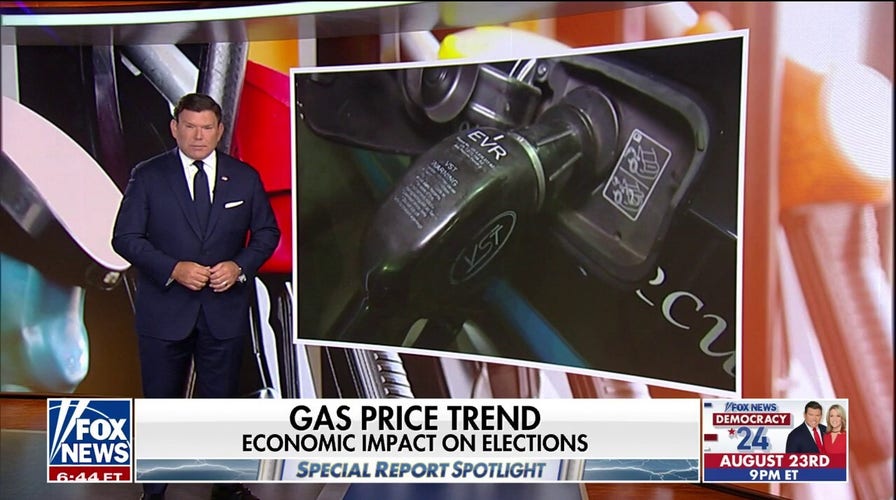
As the United States navigates the complexities of an ongoing conflict with Iran, the economic landscape at home has shifted, placing renewed pressure on the Trump administration. For many Americans, the most visceral indicator of this economic strain is found at the local service station. With fuel costs climbing to levels not seen in years, the administration is grappling with the political fallout of a promise that once served as a cornerstone of its economic platform: the commitment to keep energy prices affordable for the American household.
The current situation represents a significant departure from the economic optimism that characterized the start of the current presidential term. As voters prepare for the upcoming fall midterm elections, the intersection of high inflation and energy costs has become a focal point of voter dissatisfaction. According to data reported by the Associated Press, the average price of a gallon of gasoline reached $4.30 as of late May 2026. This surge is not merely a statistical anomaly. it is a trend that is reshaping the political discourse across key battleground states.
The Economic Reality at the Pump
The rise in fuel costs is hitting consumers at a time when the cost of living remains a primary concern for the electorate. For many, the cost of gasoline acts as a “gateway” expense, influencing the price of goods and services throughout the economy. As noted by the U.S. Energy Information Administration (EIA), regional variations in fuel pricing are heavily influenced by supply chain logistics, state-level taxes, and local market competition. In recent weeks, states such as Michigan and Ohio have experienced particularly sharp spikes, adding to the fiscal burden of commuters and logistics providers alike.
Conservative pollster Whit Ayres recently observed that the perception of the economy among American consumers remains strained, noting that the combination of persistent inflation and rising costs presents a significant challenge for political candidates who campaigned on promises of economic stabilization. This sentiment is reflected in national polling, which indicates that a growing segment of the electorate now expresses more confidence in Democratic alternatives regarding economic management—a notable shift in public opinion that has not been observed consistently since 2010.
Political Implications for the Midterm Elections
The political stakes of the rising cost of living cannot be overstated. With the midterm elections approaching, Republican strategists are increasingly concerned that the economic narrative—previously viewed as a strength—has become a potential liability. The war with Iran has complicated the global energy market, creating volatility that domestic policy is struggling to buffer. While the administration has sought to address these concerns, the lag between policy intervention and consumer relief remains a critical hurdle.
For voters, the “ghost” of higher prices is not just a theoretical concern but a daily reality. The frustration is being felt across demographic lines, and there is a growing consensus among political analysts that the economy will be the decisive factor in the upcoming vote. As the Pew Research Center regularly tracks, voter sentiment on the economy is a highly reliable predictor of electoral outcomes. The current administration’s ability to stabilize prices before the fall will likely determine whether they can maintain their legislative majorities.
A Shifting Landscape
The administration’s previous success in 2024 was built on a platform of economic growth and energy independence. However, the current reality of the 2026 midterm cycle demonstrates how quickly economic advantages can erode. The administration’s team is now forced to defend its record against a backdrop of rising costs that many voters blame directly on national leadership. This dynamic is creating a “symbolic blow” to the administration’s core talking points, as the reality of the pump price contradicts the narrative of economic prosperity.
Looking ahead, the focus will remain on the administration’s response to energy volatility. Whether through strategic reserve releases or diplomatic efforts to stabilize global oil production, the steps taken in the coming months will be scrutinized by both voters and market analysts. The U.S. Department of the Treasury continues to monitor the impact of inflation on household budgets, providing regular updates on the broader fiscal health of the nation.
Key Factors Influencing Fuel Prices
- Global Market Volatility: The ongoing conflict with Iran has disrupted supply chains and increased uncertainty in global oil markets.
- Regional Price Discrepancies: Factors such as state fuel taxes and local refinery capacity lead to significant price differences between states.
- Consumer Confidence: Persistent inflation is impacting the overall sentiment of the electorate, making fuel prices a “barometer” for economic satisfaction.
As the political season intensifies, all eyes will be on the next set of economic indicators to be released by the Bureau of Labor Statistics. These reports will provide a clearer picture of whether inflation is beginning to cool or if the current upward trend in costs will persist through the summer. We encourage our readers to stay tuned to our ongoing coverage of the 2026 midterm cycle and to share their thoughts on how these economic pressures are impacting their own communities.

Jonathan Reed serves as the News Editor for World Today Journal. With over 16 years of experience in global reporting, he specializes in political analysis and investigative journalism.
Worth a look
- Eight family members found dead in Michigan fire, some with gunshot wounds – The Guardian
- What’s the difference between closed, open‑source and open-weight AI? A researcher explains
- Trump Threatens Iran as Houthi Tanker Attacks Push Oil Prices Above $100 (time.news)
- Canadian Households Concerned Over Rising Broadband and Streaming Costs (newsdirectory3.com)